

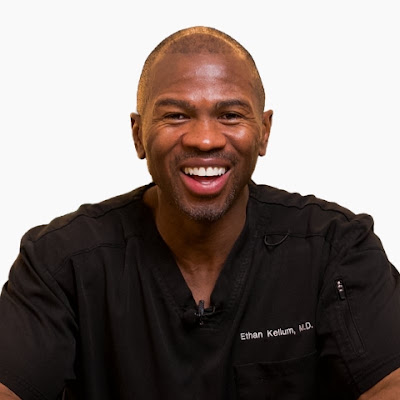
Dr. Ethan Kellum
Dr. Ethan KellumVideo
- Format:
- YouTube channel
- New videos:
- Daily
- Typical length:
- about 1 minute
- Latest video:
About this show
I’m Dr. Ethan Kellum, a board-certified orthopedic surgeon with over 20 years of experience, fellowship-trained in sports medicine. I’ve serve as a team physician for the Tennessee Titans and USA Basketball, and am a former Assistant Team Physician for the Boston Celtics.
I specialize in helping active Baby Boomer executives, entrepreneurs, professionals, and retirees, find real relief from knee pain and arthritis without surgery.
After treating over 10,000 patients, I developed the Kellum Knee Restorative Protocol; a modern, research-backed approach that helps reduce pain, repair damaged tissue, and avoid unnecessary procedures.
Unlike outdated medical advice focused on steroid shots, anti-inflammatories, or risky surgeries, I use regenerative and holistic strategies that support your body’s natural healing.
If you’re looking for solutions that go beyond pills and scalpels, you’re in the right place.
Office: 615-850-4415 Dr. Kellum's Cell: 901-484-0837 (Text preferred!)
Videos come from the channel's public YouTube feed. The artwork is the newest video thumbnail. Last updated . Names, artwork and text belong to their publishers.
Cosmos
Similar by topic and creator
- Psychology In Seattle
Shares the topics Health and Society. - UNICEF
Shares the topics Health and Society. - PeakzSanity
Shares the topics Health and Society.
Videos
Rating gas station snacks out of 10 #gasstationsnacks #healthysnacks #roadtrip
· 1 min
Which score is wrong? Tell me below. What's actually a healthy snack on a road trip? Anything with protein or fiber that isn't mostly sugar. Road trips make eating well harder. You're sitting for hours, grabbing whatever's near the register, and snacking out of boredom more than hunger. A few ways to make it easier: Pack a cooler before you leave. Water, fruit, cheese, yogurt and leftover chicken beat almost anything at a gas station. Read the label for protein, fiber and added sugar. Those three tell you most of what you need to know. Check the serving size. A bag that looks like one serving is often two or three. Drink water first. Thirst and boredom both pass for hunger on a long drive. And get out and walk every couple of hours. It's good for your back and your circulation, and it breaks up the urge to snack. I rated gas station snacks out of 10 in the video, and I'll admit to eating the worst one after a long night on call.
Not rated yetInflammation Is Really the Name of the Game
· 1 min
"Your cell is inflamed and cannot do the work that it's supposed to do." Standard ways of testing for inflammation don't always tell the story. Those can be normal and you still have inflammation. This isn't medical advice. #inflammation #health #shorts
Not rated yet4 pieces of gym advice that ruin your joints #gymadvice #jointhealth #strengthtraining
· 1 min
Comment which one you were taught. How do you know if pain at the gym is normal? Learn the difference between soreness and a warning sign. Muscle soreness usually shows up a day or two after a hard session, feels dull and spread out, and fades within a few days. That's normal, especially after something new. Pain worth paying attention to looks different: It's sharp, or it's in the joint rather than the muscle. It shows up during the same movement every time. It gets worse session after session instead of better. It comes with swelling, painful clicking, or the joint giving way. When something hurts, you usually don't have to stop training. Change the exercise, shorten the range of motion, or lower the weight and see if you can work pain free. Most of the time there's a version your body will tolerate. And learn the lifts before you load them. A session or two with a good coach can save you months of frustration. I break down four pieces of gym advice almost everyone has been taught that are hard on your joints. The last one shocks people.
Not rated yetYou Could Have Really Bad Arthritis and Not Hurt at All
· 1 min
"They don't hurt. And I go, man, why do they not hurt?" When I was a resident, I'd ask this question all the time. Now I do know the answer to that. It's because they're not inflamed. This isn't medical advice. #arthritis #inflammation #shorts
Not rated yetWhy Your Joints Hurt After Menopause (It’s Not Just Age)
· 9 min
Did your joints start aching around the time your periods stopped? Menopause joint pain is real, it's common, and it's probably not just age. Here's what's really driving it, and three things that actually help. In this video, orthopedic surgeon Dr. Ethan Kellum walks you through why joint pain in perimenopause and after menopause is so common, the name doctors now give it (the musculoskeletal syndrome of menopause), how estrogen affects your joints, the hidden shift from muscle to fat that adds load to your knees, and what actually helps. You'll learn which strength moves to start with at home, why a little weight loss plus exercise beats exercise alone for knee pain, an honest look at hormone therapy for joint pain, and the warning signs that mean you should get checked quickly. More than half of women going through menopause report achy muscles or joints, and women after menopause are about 40% more likely to report it than women who haven't reached menopause yet. Among women taking a medicine that pushes estrogen even lower, about half report new or worse joint pain within the first year. And for adults with knee arthritis carrying extra weight, every pound lost takes about 4 pounds of load off the knee with each step. Joint pain after menopause is real, and it's not just age. Lower estrogen plays a big part, and losing muscle while fat creeps up can make it worse. The good news: two of those three things, your muscle and your weight, are things you can start working on this week. Dr. Ethan Kellum is an orthopedic surgeon who has spent more than 20 years helping people move better, including as a team doctor in the NFL and for USA Basketball. On this channel, he shares what the research says about joint pain, strength and staying active through menopause and beyond. ▶ FREE KNEE PAIN GUIDE Simple ways to ease knee pain in under 5 minutes a day: https://5kneerelief.com ▶ FOLLOW DR. KELLUM YouTube: https://www.youtube.com/@DrKellum Instagram: https://www.instagram.com/drethankellum TikTok: http://tiktok.com/@drethankellum Facebook: http://facebook.com/share/19NiwkhUNc http://facebook.com/share/1EV3e358VP Website: https://drethankellum.com/ ▶ ASK ABOUT REGENERATIVE MEDICINE Book a consultation with Dr. Kellum: https://drethankellum.com/contact/ ▶ YOUR CHALLENGE This week, do two strength sessions of about 10 minutes each (chair sit-to-stands, step-ups and bridges), rate your knee pain from 0 to 10 before the first one, check it again in a month, and if this sounds like you, type "me too" in the comments. Your answers help decide what Dr. Kellum covers next. ⏱ CHAPTERS 00:00 Joint pain after menopause isn't just age 00:26 How common menopause joint pain is 01:15 What it feels like, and the normal X-ray 02:03 How estrogen affects your joints 02:34 The strongest clue about estrogen 03:03 The hidden change: less muscle, more fat 04:02 Three changes at once 04:47 What helps #1: get stronger 06:03 What helps #2: keep moving, lose a little weight 06:37 Why exercise alone may not be enough 07:19 What helps #3: hormone therapy? 07:53 When it's not menopause: warning signs 08:22 Bottom line and your strength challenge SAFETY: If a joint turns red or hot, or you have sore joints along with a fever or chills, get medical help right away, especially if one joint flares up suddenly and badly. If you take a breast cancer medicine that lowers estrogen, don't stop it on your own; talk to your cancer doctor about the joint pain instead. This video is for general educational purposes only and is not medical advice. It does not create a doctor-patient relationship. Always consult your own physician or a qualified healthcare provider about your specific situation. Never disregard professional medical advice or delay seeking it because of something you have seen in this video. #Menopause #MenopauseJointPain #JointPain #Perimenopause #WomensHealth #StrengthTraining #DrKellum
Not rated yetHow long to get an athlete's body, part 2 #athlete #physique #training
· 1 min
Which one would you actually try? Tell me below. Can you build an athlete's body after 40? You can get a lot closer than you think, but the approach has to change. Muscle still responds to training as you get older. What slows down is recovery, and how quickly your tendons and joints adapt. So how you train matters more than how hard you train. A few principles that work at any age: Strength train two to three days a week, built around the big movements: squats, hinges, pushes and pulls. Add volume slowly. When something has felt easy for a couple of weeks, then progress. Do some cardio easy enough to hold a conversation, and a little that isn't. Eat enough protein to support the work. Take recovery seriously. Sleep is when most of the adaptation happens. The goal isn't to look like a pro by summer. It's to keep getting a little better every year while the people around you slow down. Part 2 covers seven more athletes and how long their bodies really take to build. One of them you pretty much have to start as a kid.
Not rated yetArthritis Is a Finding on an X-Ray or MRI
· 1 min
"It actually turns white on x-ray." Now the bone is seeing more of the stress than it should, and now it changes. Arthritis is a finding on an X-ray or MRI. This isn't medical advice. #arthritis #orthopedics #shorts
Not rated yetHow long it actually takes to heal #rotatorcuff #injuryrecovery #shouldersurgery
· 47 sec
If you're dealing with shoulder pain, comment HELP and I'll send you the strength routine I'd start you on. Why does a rotator cuff repair take so long to heal? Because the hard part isn't the stitching. It's the tendon growing back onto the bone. After the repair, the tendon is held against the bone and your body slowly knits the two back together. That takes months, and in the early weeks the repair is fragile even when the shoulder starts to feel fine. A few things that make a real difference in recovery: Wear the sling as long as your surgeon tells you to. Even at night, even when it's annoying. Do your therapy at the pace it's prescribed. Early gentle motion protects against stiffness, and strengthening comes later on purpose. Don't lift with that arm until you're cleared, even something as light as a gallon of milk. Sleep is tough for the first few weeks. A lot of people do better propped up in a recliner or on a stack of pillows. Smoking slows tendon healing. If you smoke, surgery is a good reason to stop. The people who do best aren't the ones who push the hardest. They're the ones who follow the plan. I compare how long different injuries really take to heal in the video, and where people get in trouble with this one.
Not rated yetRanking what parents do for kids' sports #youthsports #sportsparents #sportsmedicine
· 1 min
What sport or sports does your kid play? Tell me below. Is your kid playing too much? It's one of the questions parents ask me most, and the answer is often yes. Kids have growth plates near the ends of their bones, and those areas are weaker than the bone and tendons around them. That's why young athletes get injuries adults don't, like heel pain in growing soccer players or elbow pain in young pitchers. A few warning signs worth taking seriously: Pain at the start of practice, not just at the end. Limping, or changing how they run or throw. Pain in the same spot every season. Swelling, or a joint that won't straighten all the way. They don't want to play anymore. Burnout is real, and it often shows up before the injury does. A few things that help: at least one or two days off a week, a few months a year away from their main sport, and plenty of sleep. And if your kid throws, follow the pitch counts and rest days for their age. They exist for a reason. As a dad of four boys, I ranked what parents do for kids' sports in the video. The rule I end on is the one I'd want every parent to know.
Not rated yetRating sports and energy drinks out of 10 #energydrinks #hydration #electrolytes
· 1 min
Which one is in your fridge right now? Tell me below. Do you actually need electrolytes? For most people on most days, water is enough. Electrolyte drinks earn their place when you're losing a lot of sweat: long workouts, heat, heavy sweaters, or a long day working outside. Sodium is the main thing you lose in sweat, and it's the one a lot of trendy drinks barely contain. A few signs you might need more than water: You finish workouts with salt crusted on your skin or clothes. You train for more than an hour, especially in the heat. You get cramps or headaches after long sweaty sessions. You weigh yourself before and after and you're down more than a couple of pounds. For caffeine, most healthy adults are fine up to about 400 milligrams a day, but it adds up fast between coffee, pre workout and energy drinks. If your sleep is off, that's the first place to look. And check the sugar. Some of these drinks have more than a can of soda. I rated the most popular sports and energy drinks out of 10 in the video. The winner costs about two bucks.
Not rated yetWhat 14 Minutes of Wall Sits Does to Your Blood Pressure
· 9 min
What if the best exercise for your blood pressure wasn't cardio? When researchers ranked every major type of exercise to lower blood pressure, cardio came fourth out of five for the top number, and something you can do against your kitchen wall came first. Here's what that research found, and the simple wall sit routine to start this week. In this video, orthopedic surgeon Dr. Ethan Kellum walks you through what a review of 270 trials found when it compared five types of exercise, the honest limits of that research, why holding still can lower blood pressure, how to do wall sits safely, and the exact 14-minute routine from the home wall sit research. You'll learn how to find your depth, how hard each hold should feel, a knee-friendly handgrip option, how to track your numbers with a validated upper-arm cuff, and why cardio still matters. Across 270 trials with nearly 16,000 people, cardio lowered the top number by about 4.5 points and isometric exercise by about 8. In a small four-week home wall sit study, the top number fell about 9 points. And in a separate trial of adults with high blood pressure, one wall sit session a week was enough to hold on to the drop. Every kind of exercise helps, but isometric exercise did the most for the top number, and the wall sit led the pack. Keep walking, keep taking your medication, and add the wall sit as part of a bigger plan with your doctor, never as a swap. Dr. Ethan Kellum is an orthopedic surgeon who has spent more than 20 years helping people move better, including as a team doctor in the NFL and for USA Basketball. On this channel, he shares what the research says about keeping your heart, joints and muscles strong as you age. ▶ FOLLOW DR. KELLUM YouTube: https://www.youtube.com/@DrKellum Instagram: https://www.instagram.com/drethankellum TikTok: http://tiktok.com/@drethankellum Facebook: http://facebook.com/share/19NiwkhUNc http://facebook.com/share/1EV3e358VP Website: https://drethankellum.com/ ▶ ASK ABOUT REGENERATIVE MEDICINE Book a consultation with Dr. Kellum: https://drethankellum.com/contact/ ▶ YOUR CHALLENGE Check your blood pressure today and write it down, do the wall sit routine three days a week for four weeks, then check again with the same cuff at the same time of day and take your numbers to your next appointment, and if you've been told to just do more cardio, type "cardio" in the comments. Your answers help decide what Dr. Kellum covers next. ⏱ CHAPTERS 00:00 Cardio came 4th. What came 1st? 00:27 What 270 trials found 01:25 The limits of the research 02:17 Why holding still lowers blood pressure 03:22 Does straining raise blood pressure? 03:41 Wall sit safety (and your knees) 04:39 The 14-minute wall sit routine 05:45 Timing and breathing 06:19 How much it lowered blood pressure 07:00 Handgrip option for sore knees 07:32 How to track your blood pressure 08:11 Your wall sit plan 08:50 Your 4-week challenge SAFETY: Check with your doctor first if you get chest pain when you exert yourself, have a heart rhythm problem, or have high blood pressure that isn't yet controlled; keep your holds steady and moderate, never all out, and don't hold your breath. Stop and get checked if you feel chest pain, dizziness or a pounding headache, and keep taking any blood pressure medication you're prescribed. This video is for general educational purposes only and is not medical advice. It does not create a doctor-patient relationship. Always consult your own physician or a qualified healthcare provider about your specific situation. Never disregard professional medical advice or delay seeking it because of something you have seen in this video. #BloodPressure #LowerBloodPressure #WallSit #IsometricExercise #HeartHealth #HealthyAging #DrKellum
Not rated yetWhich is worse for your shoulders? #shoulderpain #rotatorcuff #posture
· 59 sec
Which one did you do today? Comment below. Why does your shoulder hurt when you reach overhead? It's one of the most common complaints I see, and it usually builds slowly. The rotator cuff is a group of small muscles and tendons that keep the ball of your shoulder centered in the socket. When they're weak or irritated, the shoulder doesn't move as cleanly, and lifting your arm starts to pinch. A few signs your rotator cuff might be involved: Pain on the outside of your upper arm, not just the top of the shoulder. It hurts to lie on that side at night. Reaching behind your back or into a high cabinet is getting harder. Raising your arm out to the side hurts most somewhere in the middle of the motion. The good news is most of these get better with the right strengthening for the rotator cuff and the muscles around the shoulder blade, done consistently. Get it checked sooner if you can't lift your arm at all, if you felt a pop followed by sudden weakness, or if the pain keeps waking you up. I ran through the everyday habits that are hardest on your shoulders in the video, and the winner isn't the one most people pick.
Not rated yetRanking popular diets as a doctor #diet #tierlist #nutrition
· 1 min
Defend your diet in the comments below. What's the best diet for losing weight? The one you can still follow a year from now. Most diets work in the short term because underneath they all do the same thing: they help you eat less. Where they differ is how hard they are to stick with, and whether you keep your muscle along the way. A few things that matter more than which diet you pick: Protein at every meal. It keeps you full and protects muscle while you lose fat. Strength training. Lose weight without it and a good chunk of what you lose can be muscle. Fiber from vegetables, fruit, beans and whole grains. It helps with fullness and digestion. Sleep. Short sleep makes you hungrier the next day. A pace you can live with. Slower loss is easier to keep off. And if you have a medical condition or take medication for blood sugar or blood pressure, talk to your doctor before a big change. Some diets can move those numbers quickly. I ranked the most popular diets from S tier to D tier in the video, and a couple of these are going to start arguments.
Not rated yet3 things at home that send people to my office #injuryprevention #safetytips #homeinjury
· 53 sec
Which one have you done this year? Tell me below. Where do most injuries actually happen? At home, doing something completely ordinary. People are careful at the gym and on the field because it feels risky. At home, nobody warms up to carry laundry downstairs or pull a heavy pan out of the oven. The holidays make it worse. More decorating, more lifting, more rushing, more stuff on the floor. A few habits that prevent a lot of what I see: Clear the stairs and walkways. Shoes, bags and toys on the steps are a classic fall setup. Turn on a light. A lot of falls happen at night on the way to the bathroom. Wear shoes or socks with grip on hard floors. Lift close to your body, and turn with your feet instead of twisting your back. Use the right tool for the job, and slow down when you're in a hurry. If you do get hurt, pain that keeps you from putting weight on it, a joint that looks wrong, or numbness are all reasons to get it checked that day. I go through the three that send the most people to my office in the video. The third one is probably on your counter right now.
Not rated yetThe Real Reason You Keep Getting Leg Cramps at Night
· 9 min
Do leg cramps wake you up at night with a calf as hard as a stone? Leg cramps at night are common as we get older, and for most older adults a magnesium pill isn't the fix. Here's what's really behind them, and the simple bedtime routine that cut cramps in a clinical trial. In this video, orthopedic surgeon Dr. Ethan Kellum walks you through what a night leg cramp really is, how it differs from restless legs and circulation pain, why magnesium for leg cramps falls short, the real causes (age, long hours of sitting, tired muscles and some common medicines), and what to do the moment a cramp hits. You'll learn how to stop leg cramps at night with calf and hamstring stretches before bed, why loosening your sheets helps, what a recent trial found about knee-high compression stockings, and when to see your doctor. In a study of more than 500 adults over 60, nearly half had cramps and almost 1 in 3 were woken up by them. In a trial of 80 adults over 55, stretching every night before bed for six weeks meant fewer cramps that hurt less. And in a 4-week trial of about 120 people, compression stockings cut cramps compared with a sugar pill, while magnesium didn't. Most leg cramps at night aren't a magnesium problem. They're usually harmless, and the fix is often a few minutes of stretching before bed, not a supplement bottle. If your cramps started after a new medicine, bring your full medicine list to your doctor instead of stopping anything on your own. Dr. Ethan Kellum is an orthopedic surgeon who has spent more than 20 years helping people move better, including as a team doctor in the NFL and for USA Basketball. On this channel, he shares what the research says about staying active, sleeping better and keeping your legs strong as you age. ▶ FOLLOW DR. KELLUM YouTube: https://www.youtube.com/@DrKellum Instagram: https://www.instagram.com/drethankellum TikTok: http://tiktok.com/@drethankellum Facebook: http://facebook.com/share/19NiwkhUNc http://facebook.com/share/1EV3e358VP Website: https://drethankellum.com/ ▶ ASK ABOUT REGENERATIVE MEDICINE Book a consultation with Dr. Kellum: https://drethankellum.com/contact/ ▶ YOUR CHALLENGE Starting tonight, untuck your sheets, stretch your calves and hamstrings before bed, and rate each morning's cramps from 1 to 10 for a few weeks, then tell us in the comments where yours hit: calf, foot or thigh. Your answers help decide what Dr. Kellum covers next. ⏱ CHAPTERS 00:00 Magnesium for leg cramps at night? 00:24 What a night leg cramp really is 01:04 Why cramps strike at night 02:03 Is it low magnesium? 02:55 The real causes of leg cramps 03:57 Health problems behind night cramps 04:30 What to do when a cramp hits 05:03 How to prevent leg cramps at night 06:14 Sheets, bike and compression stockings 07:01 The old remedy I never take 07:23 When to see your doctor 07:46 Bottom line and your bedtime challenge SAFETY: Check with your doctor before trying compression stockings if you have artery disease in your legs or numbness in your feet. See your doctor if cramps ruin your sleep, last more than 10 minutes, come with numbness, swelling or weakness, or started after a new medicine, and get seen right away for a severe cramp that won't stop. This video is for general educational purposes only and is not medical advice. It does not create a doctor-patient relationship. Always consult your own physician or a qualified healthcare provider about your specific situation. Never disregard professional medical advice or delay seeking it because of something you have seen in this video. #LegCramps #LegCrampsAtNight #NightCramps #MuscleCramps #HealthyAging #SeniorHealth #DrKellum
Not rated yetRating breakfast out of 10 as a doctor #breakfast #nutrition #protein
· 1 min
Tell me what you had for breakfast and I'll score it. How much protein should you eat at breakfast? Probably more than you're eating now. Most people eat very little protein in the morning and most of it at dinner. Spreading it across the day is better for holding on to muscle, especially as you get older, and a protein heavy breakfast keeps you fuller through the morning. A good target for most adults is somewhere around 25 to 30 grams. A few easy ways to get there: Three eggs with a cup of Greek yogurt. Cottage cheese with fruit. A protein shake next to whatever you already eat. Last night's leftovers. Nobody said breakfast has to look like breakfast. Watch the labels. Flavored yogurts and cereal bars can carry a lot of added sugar, and "high protein" on the front of a box doesn't always mean much once you turn it over. You don't need a perfect breakfast. You need one with protein in it most days. I rated the most popular breakfasts out of 10 in the video. One that people swear is healthy scores a lot lower than they think.
Not rated yetWhat everyone makes in healthcare #healthcare #surgeon #doctorsalary
· 43 sec
Would you trust a surgeon who gets paid to operate? Tell me below. How do you know if you actually need surgery? Ask more questions than you think you're allowed to. Most surgeons are excellent and want what's best for you. But the system usually pays for procedures, not for conversations, so it's worth making sure you understand every option before you decide. A few questions worth asking at any surgical consult: What happens if I wait three months and do focused rehab first? What does recovery realistically look like, week by week? What are the chances this doesn't fix my pain? What would you do if this were your own knee, shoulder or back? Are there non surgical options you'd want me to try first? A good surgeon answers all of these without getting defensive. And getting a second opinion is normal. Nobody worth seeing will be offended. Sometimes surgery really is the best answer, and waiting too long has its own cost. The goal is to choose it with the full picture, not because it was the first thing offered. I break down what everyone in healthcare actually makes in the video, including the part most surgeons don't say out loud.
Not rated yetRanking pain relief products as a surgeon #painrelief #tierlist #jointpain
· 55 sec
Which one is in your cabinet right now? Tell me below. Does joint pain relief from the drugstore actually work? Some of it does. A lot of it is just good packaging. A few things worth knowing before you buy anything: Read the active ingredient, not the front of the box. Two products with completely different branding can have the same thing inside. Not all creams work the same way. Some put an anti-inflammatory into the tissue under the skin. Others mostly create a hot or cold feeling on the skin itself. Topicals tend to work best on joints close to the surface, like knees, hands and elbows, and less well on deep joints like the hip. Pills and creams can stack. If you already take an anti-inflammatory by mouth, check with your doctor or pharmacist before adding a cream with a similar drug in it. And if you're reaching for something every single day, that deserves a visit. Daily pain usually means the underlying problem needs attention, not a better product. I ranked the most popular pain relief products in the video, and some of the best sellers don't make it out of D tier.
Not rated yetWhat You Don’t Know About Tylenol, Advil and Aleve
· 10 min
Which pain reliever is actually safest for your joints: Tylenol, Advil or Aleve? They aren't three versions of the same pill, and the warnings on the back of the box matter more than the brand on the front. Here's what's in each one, what the labels warn about, and the option to consider first for knee and hand arthritis pain. In this video, orthopedic surgeon Dr. Ethan Kellum walks you through what's really inside each bottle, how the doses differ, the easy way people double up on Tylenol's active ingredient without knowing it, the stomach bleeding and heart warnings on Advil and Aleve, and whether either one is safer than the other. You'll learn how well each pain reliever works for arthritis, why an anti-inflammatory gel can be a smart first step for knee and hand arthritis, how to use the gel safely, and a five-minute medicine cabinet check for joint pain relief without doubling up. Across 10 trials with more than 3,500 people with knee or hip arthritis, Tylenol's active ingredient gave only minimal improvement over a placebo. In a small trial of 110 people with high blood pressure, taking it four times a day for two weeks raised the top number about 5 points compared with a placebo. And across five head-to-head trials with about 1,700 people with arthritis, about 55% cut their pain at least in half on a gel, versus 54% on a pill. Tylenol does the least for arthritis and asks the most of your liver. Advil and Aleve work, but they carry real stomach and heart warnings, and neither is proven safer than the other. Treat pain medicine as a bridge that gets you moving, so you can do the work that actually changes your joint. Dr. Ethan Kellum is an orthopedic surgeon who has spent more than 20 years helping people move better, including as a team doctor in the NFL and for USA Basketball. On this channel, he shares what the research says about easing joint pain and staying active as you age. ▶ FOLLOW DR. KELLUM YouTube: https://www.youtube.com/@DrKellum Instagram: https://www.instagram.com/drethankellum TikTok: http://tiktok.com/@drethankellum Facebook: http://facebook.com/share/19NiwkhUNc http://facebook.com/share/1EV3e358VP Website: https://drethankellum.com/ ▶ ASK ABOUT REGENERATIVE MEDICINE Book a consultation with Dr. Kellum: https://drethankellum.com/contact/ ▶ YOUR CHALLENGE Tonight, pull every pain and cold medicine out of your cabinet, read the active ingredients, and sort them into two piles so you only ever take one product from each pile at a time, then comment which one you've been reaching for: Tylenol, Advil, Aleve or gel. Your answers help decide what Dr. Kellum covers next. ⏱ CHAPTERS 00:00 Tylenol vs Advil vs Aleve 00:25 What's really in each bottle 00:56 Read the ingredient, not the brand 01:19 How the doses differ 02:13 Tylenol: the easy way to double up 03:17 Advil and Aleve: stomach and heart warnings 04:30 Two common mixing mistakes 04:44 Is Aleve safer than Advil? 05:04 Does Tylenol help arthritis pain? 06:04 The third option: an anti-inflammatory gel 06:57 How to use the gel safely 08:07 Which one fits you 08:50 The verdict 09:08 Your medicine cabinet challenge SAFETY: If you're over 60, take a blood thinner or steroid, have had an ulcer, have high blood pressure, heart, kidney or liver disease, or have three or more drinks a day, ask your doctor before taking any of these. If you think you've taken too much, call Poison Help at 1-800-222-1222, and stop and get medical help right away for black or bloody stools, vomiting blood, chest pain, trouble breathing, or weakness on one side of your body. This video is for general educational purposes only and is not medical advice. It does not create a doctor-patient relationship. Always consult your own physician or a qualified healthcare provider about your specific situation. Never disregard professional medical advice or delay seeking it because of something you have seen in this video. #JointPain #PainRelief #Arthritis #KneeArthritis…
Not rated yetHow long to get an athlete's body, part 1 #athlete #physique #training
· 1 min
Which one surprised you? Tell me below. How long does it actually take to change your body? Longer than social media makes it look, and the slow part isn't your muscles. Muscle responds to training fairly quickly. Most people feel stronger within a few weeks and see changes within a few months. Tendons, ligaments and bone adapt much more slowly. That gap is where a lot of people get hurt. They feel strong, add weight or miles too fast, and the tissue that holds everything together hasn't caught up. A few ways to respect the timeline: Progress in small steps, and hold each step for a couple of weeks before adding more. Treat a nagging ache as a reason to slow down, not something to push through. Alternate hard days and easy days so your tissue has time to adapt. Think in years, not weeks. The most impressive bodies you see usually belong to people who have trained consistently for a very long time. And genetics matter. Some things, like height and a lot of top end speed, can't be trained. I broke down how long it takes to build seven different athlete bodies in the video, and one of them is basically off the table as an adult.
Not rated yet