
About this show
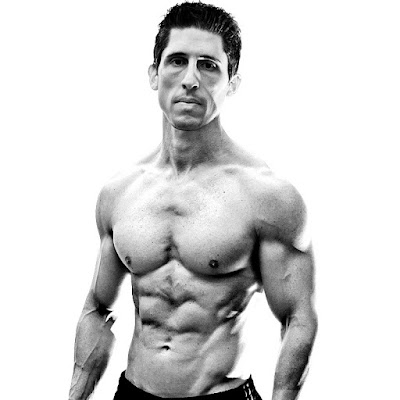
Welcome to ATHLEAN-X™ on YouTube! This is where you can find all the latest FREE workouts, nutrition and science backed training advice to get you on your way to a healthy, leaner, more muscular, athletic body by training like an athlete.
Learn from the physical therapist and strength coach Jeff Cavaliere, exactly what he does with his professional athlete and celebrity clients. Put the science back in strength to build muscle, keep your muscles and joints healthy and to improve your overall athleticism.
Subscribe for free weekly workouts.
If you want to look like an athlete...you've got to train like an athlete! Now you can with the ATHLEAN-X™ workouts here on YouTube!
Send Pro Athlete / Celebrity Training Requests to: mediarelations@athleanx.com
Rules of Conduct: This channel is for those looking to learn. Period. No racism/hate speech. No inciting/spreading drama. No advertising or self-promotion of any kind.
Videos come from the channel's public YouTube feed. The artwork is the newest video thumbnail. Last updated . Names, artwork and text belong to their publishers.
Cosmos
Similar by topic and creator
- Cleveland Clinic
Shares the topic Health. - Mel Robbins
Shares the topic Health. - Peter Attia MD
Shares the topic Health.
Videos
ATHLEAN-X ™ | Andrew Huberman Training Live
· 28 sec
COMING SOON: I got a chance to meet up with my good friend Dr. Andrew Huberman at the legendary Gold’s Gym in Venice Beach where so many legends trained with high intensity and incredible effort. Andrew and I talked shop and went through an arm workout together where we applied science, anatomy, and biomechanics to everything we did. Stay tuned for the full workout to be posted on Memorial Day on the Huberman Lab channel as well as our sit down podcast interview.
Not rated yetIf You Can’t Do This Your Shoulders Are Screwed
· 53 sec
Most people think shoulder pain starts in the shoulder itself. FREE SHOULDER WORKOUT - https://athleanx.com/bouldershoullders But in many cases, the real problem is coming from a lack of mobility and control in the shoulder blades. As a physical therapist who has worked with Major League Baseball pitchers, I can tell you firsthand that the shoulder is only as good as the scapula that supports it. If your shoulder blades can’t move the way they need to, your shoulder joint is going to be forced to compensate. And eventually, that compensation can turn into stiffness, discomfort, and dysfunction. That’s why this shoulder mobility exercise is so important. The exercise shown here is called the Angel and Devil. It may look simple, but it is a great beginner on-ramp for improving shoulder blade mobility, shoulder rotation, and overhead range of motion. The key is to pay attention to the position of the hands. Your hands are a reflection of what is happening inside the shoulder joint. As you move through the exercise, you want to make sure you are rotating through the shoulder and not just swinging the arms around without control. Perform 8 to 10 reps, just 2 to 3 times per week, and you can start to unlock shoulder mobility, improve scapular movement, and restore range of motion that you may not have had in years. If your shoulders feel stiff, tight, achy, or restricted, this is one of the best places to start. And when your shoulders start feeling better and you’re ready to build them up without the aches and pains, go to athleanx.com/bouldershoulders for a free shoulder workout I put together for you. For more shoulder mobility exercises, shoulder pain fixes, and science-backed training tips, be sure to stay tuned to this channel and subscribe so you never miss another video from a physical therapist with a pro sports background as a PT and strength coach. You can subscribe to this channel here - http://bit.ly/2b0coMW Get Your Workout & Meal Plan: 📝 https://www.athleanx.com Connect With Me: 👉 https://www.instagram.com/athleanx For complete step-by-step workout programs, head on over to athleanx.com and make sure to use the program selector to find the training plan that is best suited to your personal goals. Jeff Cavaliere MSPT, CSCS served as both the head physical therapist and assistant strength coach for the New York Mets. Jeff earned his Masters of Physical Therapy and Bachelor’s of Physioneurobiology from the College of Health Sciences University of Connecticut Storrs. He is a certified Strength and Conditioning Specialist by the National Strength and Conditioning Association (NSCA).
Not rated yetThe BEST and WORST Cardio for Fat Loss (SURPRISE!)
· 10 min
If you are doing cardio to lose fat, there is a good chance you are making the worst cardio mistakes everyone makes for fat loss without even knowing it. In this video, I am going to show you why the treadmill, elliptical, StairMaster, bike, and even your fitness tracker may be lying to you about how many calories you burned. If you use those numbers to decide how much more you can eat, you could be wiping out your calorie deficit. Avoid These Cardio Mistakes Here - https://athleanx.com Subscribe to This Channel Here - http://bit.ly/2b0coMW The first cardio mistake for fat loss is using cardio as the main way to create your calorie deficit. Cardio can help you lose weight, but it should not be the foundation of your fat loss plan. You cannot outrun a bad diet. One bad meal, snack, or portion mistake can erase an hour of cardio fast. If you want to lose fat and keep it off, clean up your nutrition first and use cardio to support those efforts. The next mistake is trusting the calorie number on the machine. Most cardio machines estimate calories using METs, or metabolic equivalents. Many estimates are based on one standard body weight, often around 154 pounds. If you weigh more or less than that, the number on the screen is already wrong. If the machine does not ask for your body weight, do not trust the calorie count. Another mistake is not realizing that some machines may count calories you would have burned anyway. Your resting energy expenditure is the energy you burn sitting around doing nothing. If a treadmill says you burned 420 calories, that may not mean you burned 420 extra calories from the workout. Part of that number may include your resting burn, which means you are overestimating your true exercise calories. Leaning on the machine is one of the biggest cardio mistakes people make. Holding onto the treadmill, leaning over the bike, hanging on the StairMaster, or unloading your body weight with your arms makes the exercise easier. Easier means less work and fewer calories burned. If your goal is fat loss, stand tall, keep your hands off the rails when possible, and make your body do the work. Cutting your range of motion short also kills cardio results. On the stepmill or StairMaster, short, choppy steps reduce the work you do and prevent full hip extension. The elliptical can lock you into a shortened range of motion too. Just like a half rep curl is not as effective as a full rep, half reps on cardio are not giving you the best fat loss return. Some cardio machines are more inaccurate than others. The stationary bike is usually one of the better options, especially when it uses watts and lets you enter your body weight. The StairMaster can be fairly close if you are not leaning on it. The treadmill can be off because of calibration issues. The elliptical is the worst offender because the calorie estimates can be way off. If you think you burned 130 more calories than you actually did and eat those calories back every day, you can erase your deficit. Over time, that mistake can be the difference between losing fat and gaining weight. If you want better cardio for fat loss, choose machines that make you do more total work. The air bike, rowing machine, and ski erg are great options because they involve both the upper and lower body with real effort. They are harder, and that is the point. The more muscles you involve, the more work you do, and the more calories you burn. If you still want to use your favorite cardio machine, use one that allows you to enter your body weight. Then stop staring at the calorie display. Throw a towel over the screen and judge your effort by your breathing. If you can easily carry on a conversation, you are probably not working hard enough. If your breathing is challenged, your effort and calorie burn are likely higher. A simple rule is to take the calorie number the machine gives you and cut it in half. Do not assume your fitness watch fixes the problem either. Wearables can…
Not rated yetHow To ACTUALLY Develop Your Biceps
· 58 sec
Most people are training curls WRONG… and don’t even realize it. Your biceps don’t just flex the elbow, they also SUPINATE the forearm. That means if you’re waiting until the TOP of the curl to rotate your wrist, you’re missing one of the biggest functions of the bicep entirely. The problem? Most people hammer curl the weight up first and then turn the wrist when there’s almost no resistance left. At that point, you’re taking tension OFF the bicep and shifting more of the work to the brachialis instead. The fix is simple: Supinate AS you curl. One of the best ways to make this even more effective is by using an offset grip; shifting the dumbbell toward the thumb side of your hand so the weight fights against your ability to rotate the wrist. More resistance during supination means more tension where you actually want it: the biceps. Right tip. Wrong timing. For more tips on how to build muscle and get big biceps, be sure to stay tuned to this channel and remember to subscribe so that you never miss another video from a physical therapist with a pro sports background as a PT and strength coach. You can subscribe to this channel here - http://bit.ly/2b0coMW Get Your Workout & Meal Plan: 📝 https://www.athleanx.com Connect With Me: 👉 https://www.instagram.com/athleanx For complete step-by-step workout programs, head on over to athleanx.com and make sure to use the program selector to find the training plan that is best suited to your personal goals. Jeff Cavaliere MSPT, CSCS served as both the head physical therapist and assistant strength coach for the New York Mets. Jeff earned his Masters of Physical Therapy and Bachelor’s of Physioneurobiology from the College of Health Sciences University of Connecticut Storrs. He is a certified Strength and Conditioning Specialist by the National Strength and Conditioning Association (NSCA).
Not rated yetThe BEST Back Exercise You HAVEN’T Tried
· 22 sec
One the best ways to build bigger lats is with a kneeling single arm pulldown, however, not everyone has access to a functional trainer or cable machine. However, a more common piece of equipment you will find in just about any gym and even some well equipped home gyms, is lat pulldown setup. While lat pulldowns are great builders for the lats, there is something that the single arm pulldown does that the lat pulldown doesn’t — the ability to achieve peak contraction on the lats. This is due to the fact that the lat pulldown, performed traditionally, has a limited range of motion due to the fixed nature of the bar. That doesn’t mean we can’t get a bette contraction, however. Simply trade in the traditional lat pulldown for a rocking lat pulldown. The execution is simple, start the movement as you would a traditional lat pulldown, but once you reach the height of your head, begin to pull favorably with one side. This will allow you to drive your elbow back towards your back pockets; one of the cues used on the single arm pulldown down with a cable setup. By getting a better contraction, you’re exploring a greater range of motion on the lats that you wouldn’t normally find performing a traditional lat pulldown. When it comes to building muscle, the entire range of motion is important, not just the lengthened position. Building strength and resiliency throughout the full range of motion of the muscle is also important for preventing injury. Avoiding injury is one of the key factors of training longevity and being able to build muscle as you age so full range of motion should not be ignored. or more tips on how to build muscle and get bigger lats, be sure to stay tuned to this channel and remember to subscribe so that you never miss another video from a physical therapist with a pro sports background as a PT and strength coach. You can subscribe to this channel here - http://bit.ly/2b0coMW Get Your Workout & Meal Plan: 📝 https://www.athleanx.com Connect With Me: 👉 https://www.instagram.com/athleanx For complete step-by-step workout programs, head on over to athleanx.com and make sure to use the program selector to find the training plan that is best suited to your personal goals. Jeff Cavaliere MSPT, CSCS served as both the head physical therapist and assistant strength coach for the New York Mets. Jeff earned his Masters of Physical Therapy and Bachelor’s of Physioneurobiology from the College of Health Sciences University of Connecticut Storrs. He is a certified Strength and Conditioning Specialist by the National Strength and Conditioning Association (NSCA).
Not rated yetCan't Lose Your "Love Handles"? (THIS ALWAYS WORKS)
· 10 min
Love handles won’t disappear from side bends, crunches, or wishful thinking. If you want to lose love handles and finally reveal a leaner, more sculpted waistline, this video breaks down the 5 steps you need to start getting rid of stubborn fat around the waist and building a better looking midsection. The first step, as always, starts with nutrition. There are no shortcuts that allow you to avoid lowering your overall body fat if your goal is to see sharper obliques, a tighter waist, and a more ripped core. The good news is, this does not have to be overly complicated. I’m going to give you a simple starting point you can use right away to begin dropping body fat and shrinking the love handles. Incinerate the Love Handles Here - http://athleanx.com/x/no-more-love-handles Subscribe to this channel here - http://bit.ly/2b0coMW First, stand in front of the mirror and see if you can make out the top row of your abs. They don’t need to be deeply carved or perfectly visible. If you can see even a faint outline of that top row, multiply your bodyweight by 15 to estimate your target daily calorie intake. If you cannot see them at all, multiply your bodyweight by 12 to create a slightly more aggressive calorie starting point. Stay consistent with that calorie target for the next two weeks and track whether your weight is moving in the right direction. If it is not, reduce your intake by another 200 calories per day or so, with 500 calories being the most aggressive adjustment I would recommend, then reassess again. Once the scale and your body fat start trending down, you know you have found the right starting point and can continue working toward a leaner waist. The second step is using activity to support your calorie deficit. This is where you increase your total daily calorie burn without forcing all of the progress to come from cutting more food. For most people, walking is the smartest and most sustainable form of activity for improving the waistline. It is easy to recover from, low impact, and something you can do more consistently, which makes it more powerful over the course of a full week. Running can be too demanding on the joints for many people, especially those carrying extra body fat, and it often becomes less sustainable because of the higher effort and recovery cost required to keep doing it consistently. The third step is one most people completely overlook. Instead of only thinking about ab exercises or exercises for the love handles, think about the visual impact of building broader shoulders and a wider back. When your delts and lats are more developed, your waist instantly appears narrower by comparison. This is where exercises like lateral raises for the middle delts and pulldowns or straight arm pushdowns for the lats become important. Choosing the right exercises matters here, and I show you the specific ones that are going to help create that more tapered, athletic look. Next, we can finally turn the attention to the abs themselves. The key is not just doing more ab exercises, but choosing the right ones. Top down ab movements, where your shoulders move toward your pelvis, are often easier to perform correctly and can help develop the upper abs that you are most likely to see first as your body fat starts to drop. Remember, men tend to lose body fat in a top down pattern. This means you will usually see your abs before the love handles fully disappear. Training the abs along the way helps keep you motivated because you can start seeing progress before the last stubborn fat around the waist is gone. Finally, you need to train the obliques. Do not avoid oblique exercises because you are afraid they will give you a blocky waist. That is one of the biggest mistakes people make. A well developed set of obliques is part of what makes the waist look athletic, sharp, and complete once the body fat comes off. The key is using the right rotational ab exercises, like the ones shown in this video, so the…
Not rated yetThe ONLY Forearm Exercise You Need…
· 19 sec
If your forearms aren’t growing, this is probably the missing piece you haven’t been using. Most people stick to wrist curls and extensions with dumbbells or a barbell. They can work—but if your progress has stalled, it’s time to switch the stimulus and challenge your forearms in a completely different way. All you need is a resistance band, a barbell set in a rack, and a dumbbell or kettlebell. Loop the band around the handle of the weight on the floor, then secure the other end by wrapping it around the sleeve of the barbell a couple of times so it won’t slip. From there, grab the end of the barbell and begin rolling it forward with your palms facing down. As you twist the bar, the band tightens and lifts the weight off the ground. Keep rolling until the weight reaches the top or your forearms give out—whichever hits first. This variation lights up the forearm flexors and builds thickness on the underside of your forearms. To target the top side, simply reverse the motion and roll the bar toward you instead. Same setup, different emphasis. You can train both sides in the same session—2–3 sets each direction—and cover more ground than standard wrist curls ever will. If you’ve never used this before, add it in and see how quickly your forearms respond. Sometimes it’s not about doing more—it’s about doing something different. For more tips on how to build muscle and get big forearms, be sure to stay tuned to this channel and remember to subscribe so that you never miss another video from a physical therapist with a pro sports background as a PT and strength coach. You can subscribe to this channel here - http://bit.ly/2b0coMW Get Your Workout & Meal Plan: 📝 https://www.athleanx.com Connect With Me: 👉 https://www.instagram.com/athleanx For complete step-by-step workout programs, head on over to athleanx.com and make sure to use the program selector to find the training plan that is best suited to your personal goals. Jeff Cavaliere MSPT, CSCS served as both the head physical therapist and assistant strength coach for the New York Mets. Jeff earned his Masters of Physical Therapy and Bachelor’s of Physioneurobiology from the College of Health Sciences University of Connecticut Storrs. He is a certified Strength and Conditioning Specialist by the National Strength and Conditioning Association (NSCA).
Not rated yetThe BEST Meal Plan to Lose Fat Faster (EAT THIS WAY!)
· 20 min
If nutrition keeps tripping you up… if you feel like you can train hard but can’t stay consistent with your diet… then this is the video you need to watch. Because the truth is — you haven’t failed your diet. Your diet has failed you. Get the Flex Factor Meal Plan - https://athleanx.com And I’m going to show you exactly why. In this video, I’m breaking down one of the biggest lies in fitness — the idea that you need to follow a rigid, perfect, all-or-nothing meal plan to get lean, build muscle, and stay that way. That’s exactly why most people never make it. They fall off before they ever give themselves a real chance to succeed. Here’s the reality: Almost 80% of your ability to stick to a nutrition plan comes down to what happens in the FIRST 10 DAYS. And most people never even make it there. Why? Because they think they have to be perfect. Perfect food choices.Perfect timing.Perfect portions. And the moment something doesn’t go exactly as planned… they quit. That’s the mistake. Because when you actually understand how nutrition works — and how flexible it really is — everything changes. In this video, I show you: • Why nutrition—not training—is the biggest driver of fat loss • How to set your protein intake correctly based on your goal (fat loss, muscle gain, or maintenance) • Why most diet plans fail due to perceived rigidity—not actual requirements • How to use a simple plate division method to build meals that work anywhere, anytime • Why swapping foods like rice, pasta, potatoes, or vegetables doesn’t matter nearly as much as you think • How to adjust portion sizes to account for calorie differences in protein sources like chicken, steak, and salmon • Why fibrous carbs are almost calorically irrelevant—and stressing over them is killing your consistency • How to structure your eating around your real life schedule (not someone else’s unrealistic plan) • The truth about intermittent fasting, meal timing, and eating frequency • And most importantly… how to create a plan you can actually stick to long enough to make it automatic. Because that’s the goal. Not perfection. Consistency. Once you understand this, you stop starting over. You stop “falling off.” You stop thinking you need a new diet every 2 weeks. And you finally build something that lasts. I’ve done this for over 17 years — not just for myself, but for elite athletes, actors, and everyday people who needed real, sustainable results. And the ones who succeed? They’re not the most disciplined. They’re the ones who stop chasing perfection… and start building consistency. If you can get through the first 10 days — you’re closer than you think. Most people quit on the 1-yard line. Don’t be one of them. If you’re ready to stop overcomplicating your nutrition and finally take control of it, this video will show you how. And if you want a system that adapts to YOU — your schedule, your preferences, your goals — I built something called the Flex Factor Meal Plan to do exactly that. But even if you never use it… Everything you need to succeed is already in this video. Watch it. Apply it. And give yourself the chance to finally get this right. If you know someone struggling with their nutrition, share this with them. Subscribe for more science-based training and nutrition videos that actually work. And for step-by-step programs and tools, head to ATHLEANX.com.
Not rated yetHow to Lose Stubborn Belly Fat Much Faster (NO, SERIOUSLY!)
· 12 min
If you’re trying to lose stubborn belly fat but nothing seems to work, then this is a video you can’t afford to skip. In this video, I’m going to walk you through 4 brutally honest questions that most people avoid answering—but until you do, that fat around your waist isn’t going anywhere. Answer them truthfully, and you’ll finally unlock what’s been holding you back from getting lean. FREE TOTAL BODY WORKOUT HERE - https://athleanx.com/tbfree SUBSCRIBE TO THIS CHANNEL HERE - https://bit.ly/2b0coMW Here’s the reality. Losing fat is both incredibly simple and frustratingly difficult at the same time. The science behind fat loss is clear and has been for decades. The problem isn’t knowing what to do—it’s consistently doing it well enough for long enough to see results. And that’s where most people fall apart. So before you start blaming genetics or calling your belly fat “stubborn,” you need to take a hard look in the mirror. Not to judge how you look—but to honestly evaluate what you’ve been doing. The first question you have to ask yourself is this: is your belly fat actually stubborn…or is your overall body fat still just too high? Because those are two completely different situations. If you’re still carrying a higher body fat percentage overall, then the issue isn’t stubborn fat—it’s inconsistency. Tightening up your habits will get you moving in the right direction fast. But if you truly feel like you’re doing everything right and still can’t get rid of that last layer, then we have to dig deeper. That’s where these next questions come in. Let’s start with alcohol. I get it—this isn’t just about drinking for the sake of it. It’s social. It’s part of how people relax and connect. But you can’t ignore what it does. Liquid calories add up quickly, and alcohol directly interferes with your body’s ability to burn fat efficiently. That doesn’t mean you can never drink—but it does mean you need to decide what matters more to you. Getting lean…or maintaining that habit. There’s no right answer—but there is an honest one. Next comes nutrition. And this is where most people think they’re doing better than they actually are. Fat loss requires a calorie deficit. There’s no way around that. But how you create that deficit matters. Extreme diets, cutting out entire food groups, or trying to crash your way lean almost always backfire. If you believe you’re in a deficit and still not losing belly fat, then you need to break this down further. First—how clean is your diet, really? Not what you think it is, but what it actually is. If that checks out, then look at your portions. Because even clean food in the wrong amounts will stall progress. And if that still isn’t the issue, then you’re left with one final truth—your consistency isn’t where it needs to be. This is where cheat meals quietly turn into cheat days…or worse. From there, we have to look at your training. Because diet alone will never be enough if your goal is to get lean and stay lean. You need to train—and not just with endless cardio. You need resistance training to build muscle. Muscle is what drives your metabolism higher and allows your body to burn more calories even at rest. A solid plan should include weight training at least 3 to 5 times per week, with an emphasis on intensity and total workload. Adding in things like barbell complexes can help you increase calorie burn while still building athletic, functional muscle. And finally, we come to ab training. Not because it’s going to magically burn belly fat—it won’t. But because developing your abs creates a visual payoff that reinforces everything else you’re doing. When you start to see those muscles come in, it builds momentum. And momentum is what keeps you consistent. At the end of the day, getting rid of belly fat isn’t about secrets or shortcuts. It’s about honesty. Brutal honesty. Once you identify where you’re falling short, you can fix it—and when you fix it, the results follow. If you’re looking…
Not rated yetHow to Make Pullups MUCH Easier
· 1 min
If you think a handful of pull-ups makes you strong… it might be time to rethink your standards. In this video, I’m breaking down why pull-ups are one of the most brutally honest tests of upper body strength—and why so many people struggle with them despite training consistently. The issue isn’t effort. It’s what you’re training—and what you’re leaving out. Most people overemphasize pressing movements like bench press and shoulder work while neglecting the muscles that actually drive pulling strength. Without strong scapular control, a developed upper back, and proper arm involvement beyond just biceps and triceps, your strength won’t carry over to the bar. That’s why pull-ups expose everything: Weak lats Poor scapular function Imbalances from years of bad posture Gaps in real pulling strength On top of that, pull-ups are a direct reflection of your strength-to-weight ratio. The more non-contributing mass you carry, the harder every rep becomes. But being under-muscled creates the same issue—you simply don’t have the force production to move your body efficiently. This is what makes pull-ups such a powerful benchmark: They don’t reward shortcuts They don’t hide weaknesses They don’t lie about your strength Whether you’re trying to get your first rep or increase your total, improving your pull-ups requires building real, transferable strength through proper training—not just doing more reps. If you want to improve your upper body strength, fix muscle imbalances, and start performing pull-ups the right way, you need a plan that addresses the entire chain involved in the movement. For more tips on building muscle, correcting posture, stretching, and chronic aches and pains, be sure to stay tuned to this channel and remember to subscribe so you never miss another video from a physical therapist with a pro sports background as a PT and strength coach. You can subscribe to this channel here - http://bit.ly/2b0coMW Get Your Workout & Meal Plan: 📝 https://www.athleanx.com Connect With Me: 👉 https://www.instagram.com/athleanx For complete step-by-step workout programs, head on over to athleanx.com and make sure to use the program selector to find the training plan that is best suited to your personal goals. Jeff Cavaliere MSPT, CSCS served as both the head physical therapist and assistant strength coach for the New York Mets. Jeff earned his Masters of Physical Therapy and Bachelor’s of Physioneurobiology from the College of Health Sciences University of Connecticut Storrs. He is a certified Strength and Conditioning Specialist by the National Strength and Conditioning Association (NSCA).
Not rated yet