

About this show
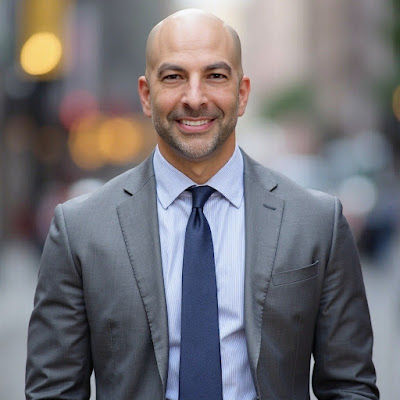
Peter Attia, MD, is the founder of Early Medical, a medical practice that applies the principles of Medicine 3.0 to patients with the goal of simultaneously lengthening their lifespan and increasing their healthspan.
He is the host of The Drive, one of the most popular podcasts covering the topics of health and medicine.
He is also the author of the #1 New York Times Bestseller, Outlive: The Science and Art of Longevity.
Dr. Attia received his medical degree from the Stanford University School of Medicine and trained for five years at the Johns Hopkins Hospital in general surgery, where he was the recipient of several prestigious awards, including resident of the year.
© 2015–2026 PA IP, LLC. All rights reserved.
Videos come from the channel's public YouTube feed. The artwork is the newest video thumbnail. Last updated . Names, artwork and text belong to their publishers.
Cosmos
Similar by topic and creator
- Cleveland Clinic
Shares the topic Health. - Mel Robbins
Shares the topic Health. - growingannanas
Shares the topic Health.
Videos
416 ‒ The science of mitochondria: their role in health, aging, disease, and much more
· 2 hr 18 min
In this episode, Peter welcomes back Nav Chandel, a Distinguished Professor and world-renowned expert in mitochondrial biology. View show notes here: https://peterattiamd.com/navchandel2/ Become a member to receive exclusive content: https://peterattiamd.com/subscribe/ Sign up to receive Peter's email newsletter: https://peterattiamd.com/newsletter/ 0:00:00 - Intro 0:00:11 - Mitochondrial function: energy production, cellular building blocks, and signaling beyond the powerhouse model 0:07:09 - Electron transport and reactive oxygen species: how mitochondrial energy production creates cellular signaling byproducts 0:10:43 - Oxidative stress and aging: defining antioxidants and antioxidant systems, and the limits of supplementation 0:18:42 - Mitochondrial signaling: metabolites, epigenetic regulation, and immune activation beyond ATP 0:23:48 - How mitochondrial DNA and RNA can activate immune pathways and whether chronic low-level leakage contributes to long-term inflammation and aging 0:28:18 - How mitochondrial release of cytochrome c can trigger cell death or stress signaling 0:29:35 - Mitochondrial dysfunction: survival without mitochondrial ATP production, glycolytic compensation, and the central role of cellular signaling 0:34:10 - How to assess one’s mitochondrial function 0:41:48 - The role of VO2 max and mitochondrial efficiency in maximizing your marginal decade 0:47:52 - Mitochondrial dysfunction and aging 0:54:57 - Metformin mechanisms: gut accumulation, complex I inhibition, and indirect effects on metabolism and exercise 1:07:50 - Metformin and aging: does metformin provide true geroprotective benefits beyond glucose control? 1:12:48 - Metformin and cancer: why most cancer trials have failed, and how its efficacy depends on tumor-specific uptake 1:25:25 - How pollution and viral infections trigger inflammation, and the potential role of metformin as therapy 1:29:34 - Clonal hematopoiesis, inflammation, and mitochondrial metabolism: metformin’s role in limiting age-related immune dysregulation 1:31:51 - Takeaways on the benefits and risks of using metformin as a geroprotective drug 1:38:23 - Views on tests that claim to measure mitochondrial function 1:41:01 - The Warburg effect and cancer metabolism: why Nav doesn’t think mitochondria in cancer cells are dysfunctional 1:43:36 - Mitochondrial supplements: urolithin A and berberine 1:52:28 - Mitochondrial supplements: α-ketoglutarate 1:55:05 - Mitochondrial supplements: citrulline, carnitine, CoQ10, NR, and NMN 1:58:10 - Interventions touted to boost mitochondrial health: SS-31 and methylene blue 2:02:31 - Hyperbaric oxygen and low-oxygen therapy: any real benefits for health and longevity? 2:07:21 - Red light therapy: exploring its effects on mitochondria via cytochrome c oxidase and whether purported benefits have a real basis 2:11:50 - The case for funding basic research to understand metabolism -------- About: The Peter Attia Drive is a deep-dive podcast focusing on maximizing longevity, and all that goes into that from physical to cognitive to emotional health. With over 90 million episodes downloaded, it features topics including exercise, nutritional biochemistry, cardiovascular disease, Alzheimer’s disease, cancer, mental health, and much more. Peter Attia is the founder of Early Medical, a medical practice that applies the principles of Medicine 3.0 to patients with the goal of lengthening their lifespan and simultaneously improving their healthspan. Learn more: https://peterattiamd.com Connect with Peter on: Facebook: http://bit.ly/PeterAttiaMDFB Twitter: http://bit.ly/PeterAttiaMDTW Instagram: http://bit.ly/PeterAttiaMDIG Subscribe to The Drive: Apple Podcast: http://bit.ly/TheDriveApplePodcasts Overcast: http://bit.ly/TheDriveOvercast Spotify: http://bit.ly/TheDriveSpotify Google Podcasts: http://bit.ly/TheDriveGoogle Disclaimer: This podcast is for general informational purposes only and does not constitute the practice of medicine, nursing, or…
Not rated yetUnderstanding lab testing: what blood work can & cannot tell you (AMA 91 sneak peek)
· 16 min
In this “Ask Me Anything” (AMA) episode, Peter explores what laboratory testing can—and cannot—tell us about our health. Blood tests provide objective numbers and reference ranges, making them an appealing way to assess overall health. But their usefulness is far more nuanced than it may appear. Peter begins by explaining how to interpret lab results in the context of both lifespan and healthspan, emphasizing the importance of tracking changes over time rather than relying on isolated measurements. He then examines the strengths and limitations of blood testing for assessing risk across the major chronic diseases, including cardiovascular disease, metabolic dysfunction, cancer, and neurodegenerative disease. He explains what labs can reveal about organ health and where additional information from imaging, body composition, and functional testing is needed. The conversation also explores why more testing does not necessarily lead to better clinical decisions. Peter discusses the limitations of large direct-to-consumer testing panels and sophisticated measures such as lipid subfractionation and biological-age scores, particularly when the results lack clear clinical actionability. He also highlights the importance of physical function, cognitive performance, and emotional health—critical components of healthspan that cannot be adequately captured through blood work alone. View show notes here: https://peterattiamd.com/ama91/ Become a member to receive exclusive content: https://peterattiamd.com/subscribe/ Sign up to receive Peter's email newsletter: https://peterattiamd.com/newsletter/ We discuss: 00:11 - Why lab testing is insufficient to answer the question “Am I healthy?” 03:58 - Defining health through the lenses of lifespan, health span, and fundamental organ systems, and how labs can come up short 08:31 - The importance of longitudinal data, and the strengths and blind spots of labs for assessing cardiovascular disease risk In the full episode, we also discuss: -Using labs to assess metabolic health, and the additional insights from body composition, behavior, and functional testing -What blood tests and genetic testing can reveal about cancer detection and future cancer risk -Assessing neurodegenerative disease risk through genetics, cardiometabolic markers, and emerging blood-based biomarkers -What routine labs reveal about organ systems, and how to evaluate large direct-to-consumer testing panels -Sophisticated tests that lack clinical actionability: lipid subfractionation, biological-age scores, and sleep scores -Why labs provide limited insight into physical function, cognitive function, and emotional health -A practical framework for interpreting any lab test, understanding its blind spots, and placing results in context -More. -------- About: The Peter Attia Drive is a deep-dive podcast focusing on maximizing longevity, and all that goes into that from physical to cognitive to emotional health. With over 90 million episodes downloaded, it features topics including exercise, nutritional biochemistry, cardiovascular disease, Alzheimer’s disease, cancer, mental health, and much more. Peter Attia is the founder of Early Medical, a medical practice that applies the principles of Medicine 3.0 to patients with the goal of lengthening their lifespan and simultaneously improving their healthspan. Learn more: https://peterattiamd.com Connect with Peter on: Facebook: http://bit.ly/PeterAttiaMDFB Twitter: http://bit.ly/PeterAttiaMDTW Instagram: http://bit.ly/PeterAttiaMDIG Subscribe to The Drive: Apple Podcast: http://bit.ly/TheDriveApplePodcasts Overcast: http://bit.ly/TheDriveOvercast Spotify: http://bit.ly/TheDriveSpotify Google Podcasts: http://bit.ly/TheDriveGoogle Disclaimer: This podcast is for general informational purposes only and does not constitute the practice of medicine, nursing, or other professional healthcare services, including the giving of medical advice. No doctor-patient relationship is…
Not rated yetHow to effectively train your abdominal muscles | Jeff Cavaliere, M.S.P.T., C.S.C.S.
· 3 min
This clip is from episode # 414 of The Drive which was released on 11/2/26. In the full episode, we cover: -Why junk volume may be one of the biggest mistakes lifters make, and what separates a productive rep from a wasted one -How Jeff trains around a partially torn labrum and rotator cuff, and why he believes complete rest can slow recovery -Why calves, glutes, and smaller stabilizing muscles deserve far more attention than they get -The early signs that training needs to change in midlife, from joint soreness to fatigue and irritability -Much more Listen (Ep. # 414) to the full episode on my website or your favorite podcast player. View show notes here: Become a member to receive exclusive content: https://peterattiamd.com/subscribe/ Sign up to receive Peter's email newsletter: https://peterattiamd.com/newsletter/ -------- About: The Peter Attia Drive is a deep-dive podcast focusing on maximizing longevity, and all that goes into that from physical to cognitive to emotional health. With over 90 million episodes downloaded, it features topics including exercise, nutritional biochemistry, cardiovascular disease, Alzheimer’s disease, cancer, mental health, and much more. Peter Attia is the founder of Early Medical, a medical practice that applies the principles of Medicine 3.0 to patients with the goal of lengthening their lifespan and simultaneously improving their healthspan. Learn more: https://peterattiamd.com Connect with Peter on: Facebook: http://bit.ly/PeterAttiaMDFB Twitter: http://bit.ly/PeterAttiaMDTW Instagram: http://bit.ly/PeterAttiaMDIG Subscribe to The Drive: Apple Podcast: http://bit.ly/TheDriveApplePodcasts Overcast: http://bit.ly/TheDriveOvercast Spotify: http://bit.ly/TheDriveSpotify Google Podcasts: http://bit.ly/TheDriveGoogle Disclaimer: This podcast is for general informational purposes only and does not constitute the practice of medicine, nursing, or other professional healthcare services, including the giving of medical advice. No doctor-patient relationship is formed. The use of this information and the materials linked to this podcast is at the user's own risk. The content on this podcast is not intended to be a substitute for professional medical advice, diagnosis, or treatment. Users should not disregard or delay in obtaining medical advice for any medical condition they have, and they should seek the assistance of their healthcare professionals for any such conditions. I take conflicts of interest very seriously. For all of my disclosures and the companies I invest in or advise, please visit my website where I keep an up-to-date and active list of such companies. For a full list of our registered and unregistered trademarks, trade names, and service marks, please review our Terms of Use: https://peterattiamd.com/terms-of-use/
Not rated yetThe difference between psychological and mechanical limits in lifting | Jeff Cavaliere
· 2 min
This clip is from episode # 414 of The Drive which was released on 11/2/26. In the full episode, we cover: -Why junk volume may be one of the biggest mistakes lifters make, and what separates a productive rep from a wasted one -How Jeff trains around a partially torn labrum and rotator cuff, and why he believes complete rest can slow recovery -Why calves, glutes, and smaller stabilizing muscles deserve far more attention than they get -The early signs that training needs to change in midlife, from joint soreness to fatigue and irritability -Much more Listen (Ep. # 414) to the full episode on my website or your favorite podcast player. View show notes here: https://peterattiamd.com/jeffcavaliere/ Become a member to receive exclusive content: https://peterattiamd.com/subscribe/ Sign up to receive Peter's email newsletter: https://peterattiamd.com/newsletter/ -------- About: The Peter Attia Drive is a deep-dive podcast focusing on maximizing longevity, and all that goes into that from physical to cognitive to emotional health. With over 90 million episodes downloaded, it features topics including exercise, nutritional biochemistry, cardiovascular disease, Alzheimer’s disease, cancer, mental health, and much more. Peter Attia is the founder of Early Medical, a medical practice that applies the principles of Medicine 3.0 to patients with the goal of lengthening their lifespan and simultaneously improving their healthspan. Learn more: https://peterattiamd.com Connect with Peter on: Facebook: http://bit.ly/PeterAttiaMDFB Twitter: http://bit.ly/PeterAttiaMDTW Instagram: http://bit.ly/PeterAttiaMDIG Subscribe to The Drive: Apple Podcast: http://bit.ly/TheDriveApplePodcasts Overcast: http://bit.ly/TheDriveOvercast Spotify: http://bit.ly/TheDriveSpotify Google Podcasts: http://bit.ly/TheDriveGoogle Disclaimer: This podcast is for general informational purposes only and does not constitute the practice of medicine, nursing, or other professional healthcare services, including the giving of medical advice. No doctor-patient relationship is formed. The use of this information and the materials linked to this podcast is at the user's own risk. The content on this podcast is not intended to be a substitute for professional medical advice, diagnosis, or treatment. Users should not disregard or delay in obtaining medical advice for any medical condition they have, and they should seek the assistance of their healthcare professionals for any such conditions. I take conflicts of interest very seriously. For all of my disclosures and the companies I invest in or advise, please visit my website where I keep an up-to-date and active list of such companies. For a full list of our registered and unregistered trademarks, trade names, and service marks, please review our Terms of Use: https://peterattiamd.com/terms-of-use/
Not rated yetJeff’s exercise graveyard | Jeff Cavaliere, M.S.P.T., C.S.C.S.
· 2 min
This clip is from episode # 414 of The Drive which was released on 11/2/26. In the full episode, we cover: -Why junk volume may be one of the biggest mistakes lifters make, and what separates a productive rep from a wasted one -How Jeff trains around a partially torn labrum and rotator cuff, and why he believes complete rest can slow recovery -Why calves, glutes, and smaller stabilizing muscles deserve far more attention than they get -The early signs that training needs to change in midlife, from joint soreness to fatigue and irritability -Much more Listen (Ep. # 414) to the full episode on my website or your favorite podcast player. View show notes here: https://peterattiamd.com/jeffcavaliere/ Become a member to receive exclusive content: https://peterattiamd.com/subscribe/ Sign up to receive Peter's email newsletter: https://peterattiamd.com/newsletter/ -------- About: The Peter Attia Drive is a deep-dive podcast focusing on maximizing longevity, and all that goes into that from physical to cognitive to emotional health. With over 90 million episodes downloaded, it features topics including exercise, nutritional biochemistry, cardiovascular disease, Alzheimer’s disease, cancer, mental health, and much more. Peter Attia is the founder of Early Medical, a medical practice that applies the principles of Medicine 3.0 to patients with the goal of lengthening their lifespan and simultaneously improving their healthspan. Learn more: https://peterattiamd.com Connect with Peter on: Facebook: http://bit.ly/PeterAttiaMDFB Twitter: http://bit.ly/PeterAttiaMDTW Instagram: http://bit.ly/PeterAttiaMDIG Subscribe to The Drive: Apple Podcast: http://bit.ly/TheDriveApplePodcasts Overcast: http://bit.ly/TheDriveOvercast Spotify: http://bit.ly/TheDriveSpotify Google Podcasts: http://bit.ly/TheDriveGoogle Disclaimer: This podcast is for general informational purposes only and does not constitute the practice of medicine, nursing, or other professional healthcare services, including the giving of medical advice. No doctor-patient relationship is formed. The use of this information and the materials linked to this podcast is at the user's own risk. The content on this podcast is not intended to be a substitute for professional medical advice, diagnosis, or treatment. Users should not disregard or delay in obtaining medical advice for any medical condition they have, and they should seek the assistance of their healthcare professionals for any such conditions. I take conflicts of interest very seriously. For all of my disclosures and the companies I invest in or advise, please visit my website where I keep an up-to-date and active list of such companies. For a full list of our registered and unregistered trademarks, trade names, and service marks, please review our Terms of Use: https://peterattiamd.com/terms-of-use/
Not rated yetUnderstanding reps in reserve | Jeff Cavaliere, M.S.P.T., C.S.C.S.
· 3 min
This clip is from episode # 414 of The Drive which was released on 11/2/26. In the full episode, we cover: -Why junk volume may be one of the biggest mistakes lifters make, and what separates a productive rep from a wasted one -How Jeff trains around a partially torn labrum and rotator cuff, and why he believes complete rest can slow recovery -Why calves, glutes, and smaller stabilizing muscles deserve far more attention than they get -The early signs that training needs to change in midlife, from joint soreness to fatigue and irritability -Much more Listen (Ep. # 414) to the full episode on my website or your favorite podcast player. View show notes here: https://peterattiamd.com/jeffcavaliere/ Become a member to receive exclusive content: https://peterattiamd.com/subscribe/ Sign up to receive Peter's email newsletter: https://peterattiamd.com/newsletter/ -------- About: The Peter Attia Drive is a deep-dive podcast focusing on maximizing longevity, and all that goes into that from physical to cognitive to emotional health. With over 90 million episodes downloaded, it features topics including exercise, nutritional biochemistry, cardiovascular disease, Alzheimer’s disease, cancer, mental health, and much more. Peter Attia is the founder of Early Medical, a medical practice that applies the principles of Medicine 3.0 to patients with the goal of lengthening their lifespan and simultaneously improving their healthspan. Learn more: https://peterattiamd.com Connect with Peter on: Facebook: http://bit.ly/PeterAttiaMDFB Twitter: http://bit.ly/PeterAttiaMDTW Instagram: http://bit.ly/PeterAttiaMDIG Subscribe to The Drive: Apple Podcast: http://bit.ly/TheDriveApplePodcasts Overcast: http://bit.ly/TheDriveOvercast Spotify: http://bit.ly/TheDriveSpotify Google Podcasts: http://bit.ly/TheDriveGoogle Disclaimer: This podcast is for general informational purposes only and does not constitute the practice of medicine, nursing, or other professional healthcare services, including the giving of medical advice. No doctor-patient relationship is formed. The use of this information and the materials linked to this podcast is at the user's own risk. The content on this podcast is not intended to be a substitute for professional medical advice, diagnosis, or treatment. Users should not disregard or delay in obtaining medical advice for any medical condition they have, and they should seek the assistance of their healthcare professionals for any such conditions. I take conflicts of interest very seriously. For all of my disclosures and the companies I invest in or advise, please visit my website where I keep an up-to-date and active list of such companies. For a full list of our registered and unregistered trademarks, trade names, and service marks, please review our Terms of Use: https://peterattiamd.com/terms-of-use/
Not rated yet414 ‒ Resistance training as we age: exercise selection, training intensity, and much more
· 2 hr 45 min
In this episode, Peter welcomes back Jeff Cavaliere, a physical therapist, strength coach, and founder of ATHLEAN-X who has spent decades bridging the gap between rehabilitation, athletic performance, and strength training. Jeff begins by sharing how his experience working with professional athletes and managing his own injuries has shaped his approach to building strength and muscle while minimizing injury risk. He discusses how training should evolve as we age, particularly for those in their 40s, 50s, and beyond who want to continue making progress without compromising long-term joint health. Jeff explains why excessive training volume can be counterproductive and how to balance reps in reserve with training to failure to maximize results while managing fatigue and injury risk. He also explores the differences between training for aesthetics and functional performance, explaining why these goals are not necessarily at odds. The conversation then shifts to a muscle-by-muscle breakdown of effective exercises for building strength and hypertrophy. Jeff highlights common training mistakes, offers modifications for those dealing with pain or injury, and explains why often-neglected muscles deserve more attention. View show notes here: https://peterattiamd.com/jeffcavaliere/ Become a member to receive exclusive content: https://peterattiamd.com/subscribe/ Sign up to receive Peter's email newsletter: https://peterattiamd.com/newsletter/ 0:00:00 - Intro 0:00:11 - Jeff’s passion as an educator and the path that led him to build his YouTube channel 0:09:45 - Jeff’s injury history and how he overcomes injury in training 0:20:26 - Qualities of great athletes and the tragedy of injury 0:25:38 - Tom Brady—an example of the value of pliability and consistency 0:29:56 - The athlete’s mindset, how training changes in midlife, and the importance of a warm-up 0:37:47 - Reducing risk of injury in middle age and beyond: reps in reserve, training to failure, and junk volume 0:48:28 - How training intensity changes in midlife 0:52:34 - Hypertrophy: misconceptions and common mistakes when training shoulders 1:05:25 - Deltoid muscles of the shoulder: exercises beyond the overhead press 1:18:39 - Triceps: compound movements and exercises that target the long head 1:29:37 - Upper arm: best approaches for building hypertrophy and strength 1:33:34 - Biceps: nuance around training 1:41:45 - Forearm exercises that target the flexors and brachioradialis 1:44:36 - Pecs and chest: pressing and crossover movements 1:57:13 - Great abs: nutrition, rotation exercises, interval training, and more 2:05:23 - Back: exercises to create that V-shape 2:16:00 - Legs: training the quads, glutes, and more 2:28:35 - Calves: training the gastrocnemius and soleus 2:37:44 - Jeff’s “exercise graveyard” and recommendations for modifications that achieve results with less risk of injury -------- About: The Peter Attia Drive is a deep-dive podcast focusing on maximizing longevity, and all that goes into that from physical to cognitive to emotional health. With over 90 million episodes downloaded, it features topics including exercise, nutritional biochemistry, cardiovascular disease, Alzheimer’s disease, cancer, mental health, and much more. Peter Attia is the founder of Early Medical, a medical practice that applies the principles of Medicine 3.0 to patients with the goal of lengthening their lifespan and simultaneously improving their healthspan. Learn more: https://peterattiamd.com Connect with Peter on: Facebook: http://bit.ly/PeterAttiaMDFB Twitter: http://bit.ly/PeterAttiaMDTW Instagram: http://bit.ly/PeterAttiaMDIG Subscribe to The Drive: Apple Podcast: http://bit.ly/TheDriveApplePodcasts Overcast: http://bit.ly/TheDriveOvercast Spotify: http://bit.ly/TheDriveSpotify Google Podcasts: http://bit.ly/TheDriveGoogle Disclaimer: This podcast is for general informational purposes only and does not constitute the practice of medicine, nursing, or other professional…
Not rated yetPeter’s current thoughts on rapamycin
· 2 min
This clip is from “Ask Me Anything” episode # 90 (Ep. # 411) of The Drive which was released on 10/12/26. In the full episode, we cover: -Why Peter still considers the ketogenic diet an effective tool in the right context—but no longer for the reason he once believed -What Peter learned after three years of regular extended fasting, how it changed his view of fasting as a longevity intervention, and who may still benefit from prolonged fasts -How GLP-1 agonists are changing the way people lose weight, and the guardrails Peter considers essential for using them -Why Peter is less bullish on rapamycin than he once was, and how unresolved questions around dosing have changed the way he thinks about its use in humans -How the latest evidence on liquid biopsies has—and hasn’t—changed Peter’s thinking, and why he still considers the technology far from proven -How Peter’s thinking on Zone 2 has evolved over the years, particularly how the amount of time someone has to train changes the way he would prescribe it -How Peter’s thinking on squats and deadlifts has evolved, when they still make sense, and when other exercises may offer a better risk-reward tradeoff -Much more This AMA episode (Ep. # 411) is available exclusively for premium members. Become a member now to watch or listen on my website or your favorite podcast player. View show notes here: https://peterattiamd.com/ama90/ Become a member to receive exclusive content: https://peterattiamd.com/subscribe/ Sign up to receive Peter's email newsletter: https://peterattiamd.com/newsletter/ -------- About: The Peter Attia Drive is a deep-dive podcast focusing on maximizing longevity, and all that goes into that from physical to cognitive to emotional health. With over 90 million episodes downloaded, it features topics including exercise, nutritional biochemistry, cardiovascular disease, Alzheimer’s disease, cancer, mental health, and much more. Peter Attia is the founder of Early Medical, a medical practice that applies the principles of Medicine 3.0 to patients with the goal of lengthening their lifespan and simultaneously improving their healthspan. Learn more: https://peterattiamd.com Connect with Peter on: Facebook: http://bit.ly/PeterAttiaMDFB Twitter: http://bit.ly/PeterAttiaMDTW Instagram: http://bit.ly/PeterAttiaMDIG Subscribe to The Drive: Apple Podcast: http://bit.ly/TheDriveApplePodcasts Overcast: http://bit.ly/TheDriveOvercast Spotify: http://bit.ly/TheDriveSpotify Google Podcasts: http://bit.ly/TheDriveGoogle Disclaimer: This podcast is for general informational purposes only and does not constitute the practice of medicine, nursing, or other professional healthcare services, including the giving of medical advice. No doctor-patient relationship is formed. The use of this information and the materials linked to this podcast is at the user's own risk. The content on this podcast is not intended to be a substitute for professional medical advice, diagnosis, or treatment. Users should not disregard or delay in obtaining medical advice for any medical condition they have, and they should seek the assistance of their healthcare professionals for any such conditions. I take conflicts of interest very seriously. For all of my disclosures and the companies I invest in or advise, please visit my website where I keep an up-to-date and active list of such companies. For a full list of our registered and unregistered trademarks, trade names, and service marks, please review our Terms of Use: https://peterattiamd.com/terms-of-use/
Not rated yet413 ‒ The neuroscience of emotion: challenging conventional theories of emotion and much more
· 2 hr 36 min
In this episode, Peter sits down with Dr. Lisa Feldman Barrett, a psychologist, neuroscientist, author, and distinguished professor at Northeastern University whose research challenges many of the conventional assumptions about emotions and how the brain works. Lisa is best known for her theory of constructed emotion, which challenges the idea that emotions such as fear, anger, and sadness are hardwired responses with universal biological signatures. She begins by explaining how unexpected findings early in her research led her to question traditional theories of emotion. She discusses why studying individual variation, rather than relying on averages, is essential to understanding the brain. Lisa then explores the idea that the brain is fundamentally a predictive system rather than a reactive one. She explains how past experiences and memories shape what we perceive, feel, and do. She also describes how the brain continuously anticipates and regulates metabolism through a process called allostasis. View show notes here: https://peterattiamd.com/lisafeldmanbarrett/ Become a member to receive exclusive content: https://peterattiamd.com/subscribe/ Sign up to receive Peter's email newsletter: https://peterattiamd.com/newsletter/ 0:00:00 - Intro 0:00:11 - How unexpected results in graduate school changed Lisa’s understanding of emotion 0:13:00 - Why variation is the norm for emotion, and the danger in tracking averages instead of characterizing variation 0:28:06 - Lisa’s experience with Hashimoto’s disease and the value of modeling individual variation 0:38:04 - How Lisa’s research challenges common views about emotions, and why there is no biomarker for emotions 0:47:44 - The difficulty of defining emotions and the brain’s role in regulating the body 0:52:29 - Consciousness, interoception, and the limits of subjective experience 0:59:07 - Defining emotion: fear and anger 1:13:05 - The brain as a predictive system rather than a reactive one 1:31:36 - Baseball as an example of the brain’s predictive nature 1:45:11 - How the human brain differs from that of other animals 1:51:30 - The impact of stress on metabolism, and the role of the brain in maintaining allostasis 1:59:00 - Childhood adversity, social regulation of the nervous system, and the effect of chronic stress 2:04:41 - Understanding chronic stress: why some people respond differently, and its impact on metabolism 2:12:55 - dHow practicing new predictions can change thoughts and feelings 2:16:25 - Lisa’s practice of finding awe in everyday experiences and the greater sense of agency it brings 2:25:10 - The impact of grief on nervous system regulation and the metabolic "body budget," as well as practices that reduce sadness 2:33:30 - The connection between memories and predictions, and Peter’s closing thoughts -------- About: The Peter Attia Drive is a deep-dive podcast focusing on maximizing longevity, and all that goes into that from physical to cognitive to emotional health. With over 90 million episodes downloaded, it features topics including exercise, nutritional biochemistry, cardiovascular disease, Alzheimer’s disease, cancer, mental health, and much more. Peter Attia is the founder of Early Medical, a medical practice that applies the principles of Medicine 3.0 to patients with the goal of lengthening their lifespan and simultaneously improving their healthspan. Learn more: https://peterattiamd.com Connect with Peter on: Facebook: http://bit.ly/PeterAttiaMDFB Twitter: http://bit.ly/PeterAttiaMDTW Instagram: http://bit.ly/PeterAttiaMDIG Subscribe to The Drive: Apple Podcast: http://bit.ly/TheDriveApplePodcasts Overcast: http://bit.ly/TheDriveOvercast Spotify: http://bit.ly/TheDriveSpotify Google Podcasts: http://bit.ly/TheDriveGoogle Disclaimer: This podcast is for general informational purposes only and does not constitute the practice of medicine, nursing, or other professional healthcare services, including the giving of medical advice. No…
Not rated yetWhy Peter changed his mind on Zone 2 training
· 2 min
This clip is from “Ask Me Anything” episode # 90 (Ep. # 411) of The Drive which was released on 10/12/26. In the full episode, we cover: -Why Peter still considers the ketogenic diet an effective tool in the right context—but no longer for the reason he once believed -What Peter learned after three years of regular extended fasting, how it changed his view of fasting as a longevity intervention, and who may still benefit from prolonged fasts -How GLP-1 agonists are changing the way people lose weight, and the guardrails Peter considers essential for using them -Why Peter is less bullish on rapamycin than he once was, and how unresolved questions around dosing have changed the way he thinks about its use in humans -How the latest evidence on liquid biopsies has—and hasn’t—changed Peter’s thinking, and why he still considers the technology far from proven -How Peter’s thinking on Zone 2 has evolved over the years, particularly how the amount of time someone has to train changes the way he would prescribe it -How Peter’s thinking on squats and deadlifts has evolved, when they still make sense, and when other exercises may offer a better risk-reward tradeoff -Much more This AMA episode (Ep. # 411) is available exclusively for premium members. Become a member now to watch or listen on my website or your favorite podcast player. View show notes here: https://peterattiamd.com/ama90/ Become a member to receive exclusive content: https://peterattiamd.com/subscribe/ Sign up to receive Peter's email newsletter: https://peterattiamd.com/newsletter/ -------- About: The Peter Attia Drive is a deep-dive podcast focusing on maximizing longevity, and all that goes into that from physical to cognitive to emotional health. With over 90 million episodes downloaded, it features topics including exercise, nutritional biochemistry, cardiovascular disease, Alzheimer’s disease, cancer, mental health, and much more. Peter Attia is the founder of Early Medical, a medical practice that applies the principles of Medicine 3.0 to patients with the goal of lengthening their lifespan and simultaneously improving their healthspan. Learn more: https://peterattiamd.com Connect with Peter on: Facebook: http://bit.ly/PeterAttiaMDFB Twitter: http://bit.ly/PeterAttiaMDTW Instagram: http://bit.ly/PeterAttiaMDIG Subscribe to The Drive: Apple Podcast: http://bit.ly/TheDriveApplePodcasts Overcast: http://bit.ly/TheDriveOvercast Spotify: http://bit.ly/TheDriveSpotify Google Podcasts: http://bit.ly/TheDriveGoogle Disclaimer: This podcast is for general informational purposes only and does not constitute the practice of medicine, nursing, or other professional healthcare services, including the giving of medical advice. No doctor-patient relationship is formed. The use of this information and the materials linked to this podcast is at the user's own risk. The content on this podcast is not intended to be a substitute for professional medical advice, diagnosis, or treatment. Users should not disregard or delay in obtaining medical advice for any medical condition they have, and they should seek the assistance of their healthcare professionals for any such conditions. I take conflicts of interest very seriously. For all of my disclosures and the companies I invest in or advise, please visit my website where I keep an up-to-date and active list of such companies. For a full list of our registered and unregistered trademarks, trade names, and service marks, please review our Terms of Use: https://peterattiamd.com/terms-of-use/
Not rated yetHow Peter’s views have changed over the last 8 years
· 1 min
This clip is from “Ask Me Anything” episode # 90 (Ep. # 411) of The Drive which was released on 10/12/26. In the full episode, we cover: -Why Peter still considers the ketogenic diet an effective tool in the right context—but no longer for the reason he once believed -What Peter learned after three years of regular extended fasting, how it changed his view of fasting as a longevity intervention, and who may still benefit from prolonged fasts -How GLP-1 agonists are changing the way people lose weight, and the guardrails Peter considers essential for using them -Why Peter is less bullish on rapamycin than he once was, and how unresolved questions around dosing have changed the way he thinks about its use in humans -How the latest evidence on liquid biopsies has—and hasn’t—changed Peter’s thinking, and why he still considers the technology far from proven -How Peter’s thinking on Zone 2 has evolved over the years, particularly how the amount of time someone has to train changes the way he would prescribe it -How Peter’s thinking on squats and deadlifts has evolved, when they still make sense, and when other exercises may offer a better risk-reward tradeoff -Much more This AMA episode (Ep. # 411) is available exclusively for premium members. Become a member now to watch or listen on my website or your favorite podcast player. View show notes here: https://peterattiamd.com/ama90/ Become a member to receive exclusive content: https://peterattiamd.com/subscribe/ Sign up to receive Peter's email newsletter: https://peterattiamd.com/newsletter/ -------- About: The Peter Attia Drive is a deep-dive podcast focusing on maximizing longevity, and all that goes into that from physical to cognitive to emotional health. With over 90 million episodes downloaded, it features topics including exercise, nutritional biochemistry, cardiovascular disease, Alzheimer’s disease, cancer, mental health, and much more. Peter Attia is the founder of Early Medical, a medical practice that applies the principles of Medicine 3.0 to patients with the goal of lengthening their lifespan and simultaneously improving their healthspan. Learn more: https://peterattiamd.com Connect with Peter on: Facebook: http://bit.ly/PeterAttiaMDFB Twitter: http://bit.ly/PeterAttiaMDTW Instagram: http://bit.ly/PeterAttiaMDIG Subscribe to The Drive: Apple Podcast: http://bit.ly/TheDriveApplePodcasts Overcast: http://bit.ly/TheDriveOvercast Spotify: http://bit.ly/TheDriveSpotify Google Podcasts: http://bit.ly/TheDriveGoogle Disclaimer: This podcast is for general informational purposes only and does not constitute the practice of medicine, nursing, or other professional healthcare services, including the giving of medical advice. No doctor-patient relationship is formed. The use of this information and the materials linked to this podcast is at the user's own risk. The content on this podcast is not intended to be a substitute for professional medical advice, diagnosis, or treatment. Users should not disregard or delay in obtaining medical advice for any medical condition they have, and they should seek the assistance of their healthcare professionals for any such conditions. I take conflicts of interest very seriously. For all of my disclosures and the companies I invest in or advise, please visit my website where I keep an up-to-date and active list of such companies. For a full list of our registered and unregistered trademarks, trade names, and service marks, please review our Terms of Use: https://peterattiamd.com/terms-of-use/
Not rated yet412 ‒ The evolving science of cancer: emerging approaches to prevention and early detection, & more
· 2 hr 4 min
In this episode, Peter welcomes back Dr. Siddhartha Mukherjee, a physician, oncologist, researcher, and the Pulitzer Prize-winning author of The Emperor of All Maladies. Fifteen years after the book was first published, Sid released an updated edition. This conversation examines what has changed in our understanding of cancer—not only in how we treat it, but in how we think about its causes, prevention, detection, and biology. Sid explores the contributions of genetics, environmental exposures, random mutations, and inflammation to cancer risk, including the emerging role of hyperinsulinemia and metabolism. He discusses why detecting cancer early remains so difficult, particularly in pancreatic cancer, and how advances in immunotherapy, CAR T cell therapy, and targeted treatments such as KRAS inhibitors are changing the treatment landscape. The conversation then broadens beyond cancer to what Sid calls "regenerative failure"—the declining ability of tissues to repair and replenish themselves with age. Peter and Sid explore how this process may contribute to conditions such as osteoarthritis, and whether longevity should be approached less as the prevention of individual diseases and more as the preservation of regenerative capacity. Sid weighs in on the potential for chemoprevention, metabolic interventions, and AI to transform cancer prevention and treatment. Finally, they discuss what it would take to develop meaningful biomarkers of longevity that could ultimately help to extend human healthspan and lifespan. View show notes here: https://peterattiamd.com/sidmukherjee3/ Become a member to receive exclusive content: https://peterattiamd.com/subscribe/ Sign up to receive Peter's email newsletter: https://peterattiamd.com/newsletter/ We discuss: 0:00:00 - Intro 0:00:11 - What oncology has learned in the 15 years since The Emperor of All Maladies was published 0:13:14 - The contributions of genetic risk, bad luck, and inflammation to cancer 0:30:02 - The role of metabolism and hyperinsulinemia in cancer 0:40:12 - Osteoarthritis: the role of inflammation and regenerative stem cells 0:50:15 - How cancer escapes the immune system—the subtleties of neoantigens and immune checkpoints 0:56:58 - AI and the thymus as a predictor of longevity, and T cell aging and immune regeneration 1:04:27 - How CAR T cell therapy works and why solid tumors are harder to treat 1:10:57 - Targeting KRAS in pancreatic cancer 1:19:33 - The rise of colorectal cancer in younger adults 1:23:30 - How AI may transform drug discovery 1:34:27 - The future of cancer prevention: chemoprevention 1:38:30 - Challenging the current model of longevity—disease prevention versus targeting regenerative failure 1:52:09 - The need for a biomarker of longevity—comparing geroscience to atherosclerosis 1:57:26 - Clinical trials targeting cancer metabolism 1:59:31 - What Sid is currently writing about and a glimpse into his writing process -------- About: The Peter Attia Drive is a deep-dive podcast focusing on maximizing longevity, and all that goes into that from physical to cognitive to emotional health. With over 90 million episodes downloaded, it features topics including exercise, nutritional biochemistry, cardiovascular disease, Alzheimer’s disease, cancer, mental health, and much more. Peter Attia is the founder of Early Medical, a medical practice that applies the principles of Medicine 3.0 to patients with the goal of lengthening their lifespan and simultaneously improving their healthspan. Learn more: https://peterattiamd.com Connect with Peter on: Facebook: http://bit.ly/PeterAttiaMDFB Twitter: http://bit.ly/PeterAttiaMDTW Instagram: http://bit.ly/PeterAttiaMDIG Subscribe to The Drive: Apple Podcast: http://bit.ly/TheDriveApplePodcasts Overcast: http://bit.ly/TheDriveOvercast Spotify: http://bit.ly/TheDriveSpotify Google Podcasts: http://bit.ly/TheDriveGoogle Disclaimer: This podcast is for general informational purposes only and does not constitute the…
Not rated yetStrong convictions, loosely held: how Peter’s views have changed (AMA 90 sneak peek)
· 17 min
In this “Ask Me Anything” (AMA) episode, Peter looks back on 400 episodes of The Drive with another installment of “strong convictions, loosely held,” revisiting some of the positions he has taken over more than eight years of the podcast. He explains why changing one’s mind in response to new evidence, conversations with experts, and clinical experience is essential for practicing medicine well. Peter begins with nutrition, describing how his views on ketogenic diets, extended fasting, and the framework of dietary restriction, time restriction, and calorie restriction have evolved. He explains why he no longer takes metformin for longevity and discusses his growing uncertainty around rapamycin despite compelling animal data. Peter also revisits his views on cancer screening, including whole-body MRI and liquid biopsies for early detection. On exercise, Peter explains how his approach to cardiorespiratory training and the 80/20 Zone 2 framework has changed, particularly for people with limited time to train. He also shares why he has moved away from heavy barbell squats and deadlifts and how he now thinks about balancing benefit and injury risk. View show notes here: https://peterattiamd.com/ama90/ Become a member to receive exclusive content: https://peterattiamd.com/subscribe/ Sign up to receive Peter's email newsletter: https://peterattiamd.com/newsletter/ We discuss: 00:11 - Strong convictions, loosely held: changing opinions as evidence, expert conversations, and clinical experience evolve 04:10 - Nutrition: Peter’s evolving view of ketogenic diets, energy balance, and dietary dogmatism 10:59 - Extended fasting, autophagy, lean-mass loss, and who may benefit from prolonged fasting In the full episode, we also discuss: -The dietary restriction, time restriction, and calorie restriction framework—and why GLP-1 agonists are tipping the balance toward calorie restriction -Why Peter no longer views metformin as geroprotective for metabolically healthy people -Rapamycin for longevity: compelling animal data, unresolved human dosing, and Peter’s growing uncertainty -The importance of early cancer detection, declining whole-body magnetic resonance imaging (MRI) quality, and more targeted alternatives -Liquid biopsies for cancer screening: the NHS-Galleri trial, why early-stage rather than late-stage detection is what actually matters, and why the technology remains "fuzzy" -Evolving exercise goals, the limitations of the 80/20 Zone 2 framework, and programming cardio at lower training volumes -Exercise prescriptions for limited time, building a training habit, and becoming less dogmatic about forcing workouts -Moving away from heavy squats and deadlifts, alternative exercises, and deliberate risk management -Prioritizing principles, foundations, and sustainable practices over marginal optimization -More. -------- About: The Peter Attia Drive is a deep-dive podcast focusing on maximizing longevity, and all that goes into that from physical to cognitive to emotional health. With over 90 million episodes downloaded, it features topics including exercise, nutritional biochemistry, cardiovascular disease, Alzheimer’s disease, cancer, mental health, and much more. Peter Attia is the founder of Early Medical, a medical practice that applies the principles of Medicine 3.0 to patients with the goal of lengthening their lifespan and simultaneously improving their healthspan. Learn more: https://peterattiamd.com Connect with Peter on: Facebook: http://bit.ly/PeterAttiaMDFB Twitter: http://bit.ly/PeterAttiaMDTW Instagram: http://bit.ly/PeterAttiaMDIG Subscribe to The Drive: Apple Podcast: http://bit.ly/TheDriveApplePodcasts Overcast: http://bit.ly/TheDriveOvercast Spotify: http://bit.ly/TheDriveSpotify Google Podcasts: http://bit.ly/TheDriveGoogle Disclaimer: This podcast is for general informational purposes only and does not constitute the practice of medicine, nursing, or other professional healthcare services, including the…
Not rated yet410 ‒ The biology of pregnancy: physiologic adaptation, childbirth, and long-term maternal health
· 2 hr 1 min
In this episode, Peter sits down with Dr. Kathryn (Katie) Gray, a physician-scientist, high-risk obstetrician, and maternal-fetal medicine specialist at the University of Washington School of Medicine. Disclaimer: The views expressed on this podcast are solely those of Dr. Kathryn Gray and do not represent the University of Washington or any of its affiliated units. Dr. Gray speaks solely in a personal capacity, and nothing here should be construed as an official position or endorsement from the University of Washington. 0:00:00 - Intro 0:00:11 - What drew Katie to obstetrics and gynecology, and fundamental questions in the field that remain unanswered 0:03:43 - Pregnancy as a cardiovascular and metabolic stress test; the first symptoms and early changes 0:14:07 - Early hormonal changes, prenatal nutrition, and neural tube defects 0:22:21 - Fetal development and the physiology of gestational diabetes 0:28:29 - Diagnosing and treating gestational diabetes 0:36:19 - Preeclampsia: diagnosis, biology, acute risk, and how it’s managed 0:48:53 - HELLP syndrome, what genetic studies reveal about preeclampsia, and the antihypertensive medications used to treat it 0:55:07 - What pregnancy reveals about long-term cardiometabolic health 1:01:50 - Cesarean delivery, breech presentation, and stillbirth 1:16:08 - The onset of labor, cervical dilation, and membrane rupture 1:25:28 - Vaginal delivery and breastfeeding: benefits versus myths 1:29:37 - Exercise during pregnancy, sleep position in the third trimester, and postpartum depression 1:36:15 - Prenatal genetic screening: the growing role of cell-free DNA and the gap between what is technologically possible and what gets deployed in the clinic 1:42:43 - Midwifery and the realities of childbirth 1:52:41 - Maternal health in the United States and the need for research investment View show notes here: https://peterattiamd.com/kathryngray/ Become a member to receive exclusive content: https://peterattiamd.com/subscribe/ Sign up to receive Peter's email newsletter: https://peterattiamd.com/newsletter/ -------- About: The Peter Attia Drive is a deep-dive podcast focusing on maximizing longevity, and all that goes into that from physical to cognitive to emotional health. With over 90 million episodes downloaded, it features topics including exercise, nutritional biochemistry, cardiovascular disease, Alzheimer’s disease, cancer, mental health, and much more. Peter Attia is the founder of Early Medical, a medical practice that applies the principles of Medicine 3.0 to patients with the goal of lengthening their lifespan and simultaneously improving their healthspan. Learn more: https://peterattiamd.com Connect with Peter on: Facebook: http://bit.ly/PeterAttiaMDFB Twitter: http://bit.ly/PeterAttiaMDTW Instagram: http://bit.ly/PeterAttiaMDIG Subscribe to The Drive: Apple Podcast: http://bit.ly/TheDriveApplePodcasts Overcast: http://bit.ly/TheDriveOvercast Spotify: http://bit.ly/TheDriveSpotify Google Podcasts: http://bit.ly/TheDriveGoogle Disclaimer: This podcast is for general informational purposes only and does not constitute the practice of medicine, nursing, or other professional healthcare services, including the giving of medical advice. No doctor-patient relationship is formed. The use of this information and the materials linked to this podcast is at the user's own risk. The content on this podcast is not intended to be a substitute for professional medical advice, diagnosis, or treatment. Users should not disregard or delay in obtaining medical advice for any medical condition they have, and they should seek the assistance of their healthcare professionals for any such conditions. I take conflicts of interest very seriously. For all of my disclosures and the companies I invest in or advise, please visit my website where I keep an up-to-date and active list of such companies. For a full list of our registered and unregistered trademarks, trade names, and service marks, please…
Not rated yetRisks associated with thyroid supplements | Peter Attia, M.D.
· 1 min
This clip is from “Ask Me Anything” episode # 89 (Ep. # 308) of The Drive which was released on 9/21/26. In the full episode, we cover: -The two thyroid labs Peter checks on every patient, and the situations that call for a more complete workup -The case for a lab-first approach to thyroid symptoms, and the conditions that most often masquerade as thyroid disease -The normal range for TSH rises with age; how misreading it leads to older adults being treated when they should not be -The problem with standard blood tests for free T3 and free T4, which are least reliable exactly when accuracy matters most, and the testing Peter requires before making a diagnosis -How to interpret a mildly elevated TSH when everything else looks normal, and appreciating that it often resolves without treatment -What to do when standard T4 therapy normalizes the labs but the patient still feels unwell, and how T3 is added in those cases -Why the timing of thyroid medication deserves as much attention as the dose, given how much food and other factors reduce its absorption -What testing revealed about the contents of popular thyroid-support supplements, and the nutrients that matter most for thyroid function -Much more This AMA episode (Ep. # 308) is available exclusively for premium members. Become a member now to watch or listen on my website or your favorite podcast player. View show notes here: https://peterattiamd.com/ama89/ Become a member to receive exclusive content: https://peterattiamd.com/subscribe/ Sign up to receive Peter's email newsletter: https://peterattiamd.com/newsletter/ -------- About: The Peter Attia Drive is a deep-dive podcast focusing on maximizing longevity, and all that goes into that from physical to cognitive to emotional health. With over 90 million episodes downloaded, it features topics including exercise, nutritional biochemistry, cardiovascular disease, Alzheimer’s disease, cancer, mental health, and much more. Peter Attia is the founder of Early Medical, a medical practice that applies the principles of Medicine 3.0 to patients with the goal of lengthening their lifespan and simultaneously improving their healthspan. Learn more: https://peterattiamd.com Connect with Peter on: Facebook: http://bit.ly/PeterAttiaMDFB Twitter: http://bit.ly/PeterAttiaMDTW Instagram: http://bit.ly/PeterAttiaMDIG Subscribe to The Drive: Apple Podcast: http://bit.ly/TheDriveApplePodcasts Overcast: http://bit.ly/TheDriveOvercast Spotify: http://bit.ly/TheDriveSpotify Google Podcasts: http://bit.ly/TheDriveGoogle Disclaimer: This podcast is for general informational purposes only and does not constitute the practice of medicine, nursing, or other professional healthcare services, including the giving of medical advice. No doctor-patient relationship is formed. The use of this information and the materials linked to this podcast is at the user's own risk. The content on this podcast is not intended to be a substitute for professional medical advice, diagnosis, or treatment. Users should not disregard or delay in obtaining medical advice for any medical condition they have, and they should seek the assistance of their healthcare professionals for any such conditions. I take conflicts of interest very seriously. For all of my disclosures and the companies I invest in or advise, please visit my website where I keep an up-to-date and active list of such companies. For a full list of our registered and unregistered trademarks, trade names, and service marks, please review our Terms of Use: https://peterattiamd.com/terms-of-use/
Not rated yet409 ‒ Inside modern drug development: the science, economics, and regulatory hurdles
· 2 hr 35 min
Lloyd B. Klickstein is a physician-scientist who has spent more than 20 years at the intersection of drug discovery, healthy aging, and preventive medicine. Drawing on his experience in academic medicine, translational research, and biotechnology, Lloyd walks through the full arc of modern drug development. He explains how scientists identify an unmet medical need and decide which diseases and therapeutic targets are worth pursuing. From there, he takes us through the process of engineering a drug, testing it in animals, and navigating clinical trials and regulatory approval. Using bimagrumab as a case study, Lloyd explains the rationale for targeting myostatin and activin signaling to increase muscle mass and strength and describes how the antibody was engineered and screened. He then walks through what was learned from early clinical trials. Unexpected effects on fat mass and type 2 diabetes helped reshape bimagrumab’s development as a potential treatment for obesity, including its use in combination with semaglutide. Along the way, Peter and Lloyd explore the differences among drug modalities, including biologics and small-molecule therapeutics. They discuss the roles of patents and capital allocation in drug development, along with the requirements for IND submission and GMP manufacturing. They also examine why developing a new drug takes so long and costs so much, and why identifying failures early is critical. 0:00:00 - Intro 0:00:11 - Lloyd’s path from academic medicine to translational drug development 0:09:21 - Drug modalities, patents, and the economics of innovation 0:22:08 - Choosing sarcopenia as a target for drug development, and confronting the problem of measuring falls 0:36:54 - The rationale for bimagrumab: improving muscle mass and strength by targeting myostatin and activin signaling (and why follistatin failed) 0:44:47 - Engineering and screening the bimagrumab antibody, and the cost of developing a new drug 0:56:07 - From candidate antibodies to animal proof of concept (impressive muscle hypertrophy) 1:05:16 - Toxicology, capital allocation, and the path to an IND 1:18:04 - IND requirements, GMP manufacturing, and gray market peptides 1:24:54 - First in-human study design, patient selection, and protection of healthy volunteers 1:39:00 - Phase 1 dosing, pharmacodynamics, and global trial strategy 1:50:05 - Phase 2 lessons on muscle mass, function, and nutrition 1:57:40 - Bimagrumab’s effects on fat mass and type 2 diabetes 2:07:30 - The BELIEVE trial of bimagrumab plus semaglutide 2:20:40 - Selective mTORC1 inhibition and the challenge of testing geroprotection 2:25:13 - A new pharmacologic approach to cancer prevention View show notes here: https://peterattiamd.com/lloydklickstein2/ Become a member to receive exclusive content: https://peterattiamd.com/subscribe/ Sign up to receive Peter's email newsletter: https://peterattiamd.com/newsletter/ -------- About: The Peter Attia Drive is a deep-dive podcast focusing on maximizing longevity, and all that goes into that from physical to cognitive to emotional health. With over 90 million episodes downloaded, it features topics including exercise, nutritional biochemistry, cardiovascular disease, Alzheimer’s disease, cancer, mental health, and much more. Peter Attia is the founder of Early Medical, a medical practice that applies the principles of Medicine 3.0 to patients with the goal of lengthening their lifespan and simultaneously improving their healthspan. Learn more: https://peterattiamd.com Connect with Peter on: Facebook: http://bit.ly/PeterAttiaMDFB Twitter: http://bit.ly/PeterAttiaMDTW Instagram: http://bit.ly/PeterAttiaMDIG Subscribe to The Drive: Apple Podcast: http://bit.ly/TheDriveApplePodcasts Overcast: http://bit.ly/TheDriveOvercast Spotify: http://bit.ly/TheDriveSpotify Google Podcasts: http://bit.ly/TheDriveGoogle Disclaimer: This podcast is for general informational purposes only and does not constitute the practice of medicine,…
Not rated yetThe nuances of diagnosing and treating thyroid dysfunction | Peter Attia, M.D.
· 1 min
This clip is from “Ask Me Anything” episode # 89 (Ep. # 308) of The Drive which was released on 9/21/26. In the full episode, we cover: -The two thyroid labs Peter checks on every patient, and the situations that call for a more complete workup -The case for a lab-first approach to thyroid symptoms, and the conditions that most often masquerade as thyroid disease -The normal range for TSH rises with age; how misreading it leads to older adults being treated when they should not be -The problem with standard blood tests for free T3 and free T4, which are least reliable exactly when accuracy matters most, and the testing Peter requires before making a diagnosis -How to interpret a mildly elevated TSH when everything else looks normal, and appreciating that it often resolves without treatment -What to do when standard T4 therapy normalizes the labs but the patient still feels unwell, and how T3 is added in those cases -Why the timing of thyroid medication deserves as much attention as the dose, given how much food and other factors reduce its absorption -What testing revealed about the contents of popular thyroid-support supplements, and the nutrients that matter most for thyroid function -Much more This AMA episode (Ep. # 308) is available exclusively for premium members. Become a member now to watch or listen on my website or your favorite podcast player. View show notes here: https://peterattiamd.com/ama89/ Become a member to receive exclusive content: https://peterattiamd.com/subscribe/ Sign up to receive Peter's email newsletter: https://peterattiamd.com/newsletter/ -------- About: The Peter Attia Drive is a deep-dive podcast focusing on maximizing longevity, and all that goes into that from physical to cognitive to emotional health. With over 90 million episodes downloaded, it features topics including exercise, nutritional biochemistry, cardiovascular disease, Alzheimer’s disease, cancer, mental health, and much more. Peter Attia is the founder of Early Medical, a medical practice that applies the principles of Medicine 3.0 to patients with the goal of lengthening their lifespan and simultaneously improving their healthspan. Learn more: https://peterattiamd.com Connect with Peter on: Facebook: http://bit.ly/PeterAttiaMDFB Twitter: http://bit.ly/PeterAttiaMDTW Instagram: http://bit.ly/PeterAttiaMDIG Subscribe to The Drive: Apple Podcast: http://bit.ly/TheDriveApplePodcasts Overcast: http://bit.ly/TheDriveOvercast Spotify: http://bit.ly/TheDriveSpotify Google Podcasts: http://bit.ly/TheDriveGoogle Disclaimer: This podcast is for general informational purposes only and does not constitute the practice of medicine, nursing, or other professional healthcare services, including the giving of medical advice. No doctor-patient relationship is formed. The use of this information and the materials linked to this podcast is at the user's own risk. The content on this podcast is not intended to be a substitute for professional medical advice, diagnosis, or treatment. Users should not disregard or delay in obtaining medical advice for any medical condition they have, and they should seek the assistance of their healthcare professionals for any such conditions. I take conflicts of interest very seriously. For all of my disclosures and the companies I invest in or advise, please visit my website where I keep an up-to-date and active list of such companies. For a full list of our registered and unregistered trademarks, trade names, and service marks, please review our Terms of Use: https://peterattiamd.com/terms-of-use/
Not rated yetNavigating subclinical hypothyroidism | Peter Attia, M.D.
· 2 min
This clip is from “Ask Me Anything” episode # 89 (Ep. # 308) of The Drive which was released on 9/21/26. In the full episode, we cover: -The two thyroid labs Peter checks on every patient, and the situations that call for a more complete workup -The case for a lab-first approach to thyroid symptoms, and the conditions that most often masquerade as thyroid disease -The normal range for TSH rises with age; how misreading it leads to older adults being treated when they should not be -The problem with standard blood tests for free T3 and free T4, which are least reliable exactly when accuracy matters most, and the testing Peter requires before making a diagnosis -How to interpret a mildly elevated TSH when everything else looks normal, and appreciating that it often resolves without treatment -What to do when standard T4 therapy normalizes the labs but the patient still feels unwell, and how T3 is added in those cases -Why the timing of thyroid medication deserves as much attention as the dose, given how much food and other factors reduce its absorption -What testing revealed about the contents of popular thyroid-support supplements, and the nutrients that matter most for thyroid function -Much more This AMA episode (Ep. # 308) is available exclusively for premium members. Become a member now to watch or listen on my website or your favorite podcast player. View show notes here: https://peterattiamd.com/ama89/ Become a member to receive exclusive content: https://peterattiamd.com/subscribe/ Sign up to receive Peter's email newsletter: https://peterattiamd.com/newsletter/ -------- About: The Peter Attia Drive is a deep-dive podcast focusing on maximizing longevity, and all that goes into that from physical to cognitive to emotional health. With over 90 million episodes downloaded, it features topics including exercise, nutritional biochemistry, cardiovascular disease, Alzheimer’s disease, cancer, mental health, and much more. Peter Attia is the founder of Early Medical, a medical practice that applies the principles of Medicine 3.0 to patients with the goal of lengthening their lifespan and simultaneously improving their healthspan. Learn more: https://peterattiamd.com Connect with Peter on: Facebook: http://bit.ly/PeterAttiaMDFB Twitter: http://bit.ly/PeterAttiaMDTW Instagram: http://bit.ly/PeterAttiaMDIG Subscribe to The Drive: Apple Podcast: http://bit.ly/TheDriveApplePodcasts Overcast: http://bit.ly/TheDriveOvercast Spotify: http://bit.ly/TheDriveSpotify Google Podcasts: http://bit.ly/TheDriveGoogle Disclaimer: This podcast is for general informational purposes only and does not constitute the practice of medicine, nursing, or other professional healthcare services, including the giving of medical advice. No doctor-patient relationship is formed. The use of this information and the materials linked to this podcast is at the user's own risk. The content on this podcast is not intended to be a substitute for professional medical advice, diagnosis, or treatment. Users should not disregard or delay in obtaining medical advice for any medical condition they have, and they should seek the assistance of their healthcare professionals for any such conditions. I take conflicts of interest very seriously. For all of my disclosures and the companies I invest in or advise, please visit my website where I keep an up-to-date and active list of such companies. For a full list of our registered and unregistered trademarks, trade names, and service marks, please review our Terms of Use: https://peterattiamd.com/terms-of-use/
Not rated yetThyroid health: interpreting symptoms, diagnosing & treating dysfunction (AMA 89 sneak peek)
· 15 min
In this "Ask Me Anything" (AMA) episode, Peter takes a deep dive into thyroid health and explains why diagnosing and managing thyroid dysfunction is unusually complex. He begins with the basic biology of the thyroid gland and three commonly measured hormones—free T4, free T3, and TSH. He explains how T4 is converted to the active hormone T3 and the important functions T3 performs throughout the body. He also explains what reverse T3 is and when it may be useful to measure it. Peter then breaks down thyroid blood tests and their limitations and provides a practical framework for evaluating suspected thyroid dysfunction. He explains why symptoms alone are insufficient for diagnosis and reviews the criteria for diagnosing hypothyroidism, along with conditions that can mimic it. He also explores how hypothyroidism can be both underdiagnosed and overtreated and how to navigate subclinical hypothyroidism. Peter discusses treatment with T4 and T3, including why some patients continue to experience symptoms despite standard T4 replacement. He also explains how thyroid medications should be taken to optimize absorption. Additional topics include Hashimoto's disease, thyroid considerations during pregnancy, hyperthyroidism, the risks of excess iodine, and supplements marketed to support thyroid function. Finally, Peter offers guidance for patients who continue to feel unwell despite apparently normal thyroid tests. View show notes here: https://peterattiamd.com/ama89/ Become a member to receive exclusive content: https://peterattiamd.com/subscribe/ Sign up to receive Peter's email newsletter: https://peterattiamd.com/newsletter/ We discuss: 00:11 - Why thyroid management is unusually complex and what the thyroid does 07:43 - Why symptoms are insufficient for diagnosis and the risks of underdiagnosis and overtreatment In the full episode, we also discuss: -Regulation of the thyroid axis and conversion of T4 to T3 -Reverse T3 and the metabolic effects of T3 -Thyroid blood tests, assay limitations, and who should be tested -Causes and mimics of hypothyroidism and the criteria for diagnosis -Navigating subclinical hypothyroidism -Treating hypothyroidism with T4 and T3 -Hashimoto's disease, pregnancy, and associated autoimmune risks -Proper timing and administration of thyroid medication -Causes, symptoms, diagnosis, and treatment of hyperthyroidism -Iodine excess, the risks of thyroid-support supplements, and evidence for dietary interventions -A practical framework for evaluating and treating patients who suspect thyroid dysfunction -More. -------- About: The Peter Attia Drive is a deep-dive podcast focusing on maximizing longevity, and all that goes into that from physical to cognitive to emotional health. With over 90 million episodes downloaded, it features topics including exercise, nutritional biochemistry, cardiovascular disease, Alzheimer’s disease, cancer, mental health, and much more. Peter Attia is the founder of Early Medical, a medical practice that applies the principles of Medicine 3.0 to patients with the goal of lengthening their lifespan and simultaneously improving their healthspan. Learn more: https://peterattiamd.com Connect with Peter on: Facebook: http://bit.ly/PeterAttiaMDFB Twitter: http://bit.ly/PeterAttiaMDTW Instagram: http://bit.ly/PeterAttiaMDIG Subscribe to The Drive: Apple Podcast: http://bit.ly/TheDriveApplePodcasts Overcast: http://bit.ly/TheDriveOvercast Spotify: http://bit.ly/TheDriveSpotify Google Podcasts: http://bit.ly/TheDriveGoogle Disclaimer: This podcast is for general informational purposes only and does not constitute the practice of medicine, nursing, or other professional healthcare services, including the giving of medical advice. No doctor-patient relationship is formed. The use of this information and the materials linked to this podcast is at the user's own risk. The content on this podcast is not intended to be a substitute for professional medical advice, diagnosis, or…
Not rated yet407 ‒ Preventing cardiovascular and Alzheimer’s disease: lowering LDL early, APOE4, and more
· 2 hr 19 min
Michael Davidson is a world-renowned cardiologist, lipidologist, and the founding CEO of NewAmsterdam Pharma. He begins this episode by sharing how his family history shaped his interest in lipidology and primary prevention. He explains why prevention should focus on causal drivers of disease rather than near-term risk and examines the causal relationship between LDL and atherosclerotic cardiovascular disease. 0:00:00 - Intro 0:00:11 - Michael’s path to lipidology, and his passion for primary prevention 0:07:54 - Reframing prevention around causal drivers rather than time horizon 0:14:11 - What CETP inhibition does, the evolutionary biology of CETP, the HDL-raising rationale, and Pfizer's torcetrapib failure 0:24:38 - Why raising HDL is thought to be beneficial, a quick review of the functions of HDL, and how this connects to torcetrapib 0:28:29 - The graveyard of CETP inhibitors: Roche's dalcetrapib, Lilly's evacetrapib, and Merck's REVEAL trial 0:37:13 - The causality of LDL in cardiovascular disease 0:40:23 - Reviving obicetrapib at NewAmsterdam, and confirming the benefit is LDL lowering: the TULIP data, the abandoned statin-intolerance path, and the Mendelian randomization verdict on HDL 0:49:21 - Phase 2 and phase 3 trials of obicetrapib—ROSE, BROOKLYN, BROADWAY, and TANDEM—and the PREVAIL outcomes trial, with the European and US approval paths 0:56:07 - Discordance among LDL-C, LDL-P, and apoB with CETP inhibition, and obicetrapib's Lp(a)-lowering effect 1:04:41 - Where obicetrapib fits in the lipid-lowering toolkit, the case against high-dose statins, and the problem of drug pricing 1:12:03 - The case for obicetrapib in Alzheimer's: the APOE4 and CETP genetics, the animal models, and funding Alzheimer's research 1:17:12 - Brain cholesterol metabolism and the APOE4 mechanism: the blood-brain barrier, astrocyte cholesterol efflux, the amyloid-tau cascade, the role of HDL, and why statins don't cause Alzheimer's disease 1:29:11 - The biomarker evidence: the CSF pilot study, Alzheimer's as a disease of middle age, the pharma graveyard problem, and the p-tau 217 results from BROADWAY 1:41:33 - Whether obicetrapib translates into clinical benefit for Alzheimer’s disease: the risk of fooling yourself, the persistence of the amyloid dogma, ARIA in APOE4 homozygotes, and the next prevention trial 1:50:32 - Fish oil, EPA, and DHA: the cardiovascular trials and the challenge of delivering DHA to the brain 1:57:50 - Two open problems: using AI to reform clinical trials, and the statin–diabetes signal 2:06:22 - What it takes to develop a drug, the biotech investment landscape, and the klotho program 2:15:31 - Closing reflections: what to do if you carry APOE4, balancing motivation against over-testing, and the need for multiple therapies View show notes here: https://peterattiamd.com/michaeldavidson/ Become a member to receive exclusive content: https://peterattiamd.com/subscribe/ Sign up to receive Peter's email newsletter: https://peterattiamd.com/newsletter/ -------- About: The Peter Attia Drive is a deep-dive podcast focusing on maximizing longevity, and all that goes into that from physical to cognitive to emotional health. With over 90 million episodes downloaded, it features topics including exercise, nutritional biochemistry, cardiovascular disease, Alzheimer’s disease, cancer, mental health, and much more. Peter Attia is the founder of Early Medical, a medical practice that applies the principles of Medicine 3.0 to patients with the goal of lengthening their lifespan and simultaneously improving their healthspan. Learn more: https://peterattiamd.com Connect with Peter on: Facebook: http://bit.ly/PeterAttiaMDFB Twitter: http://bit.ly/PeterAttiaMDTW Instagram: http://bit.ly/PeterAttiaMDIG Subscribe to The Drive: Apple Podcast: http://bit.ly/TheDriveApplePodcasts Overcast: http://bit.ly/TheDriveOvercast Spotify: http://bit.ly/TheDriveSpotify Google Podcasts: http://bit.ly/TheDriveGoogle Disclaimer: This podcast is…
Not rated yet