

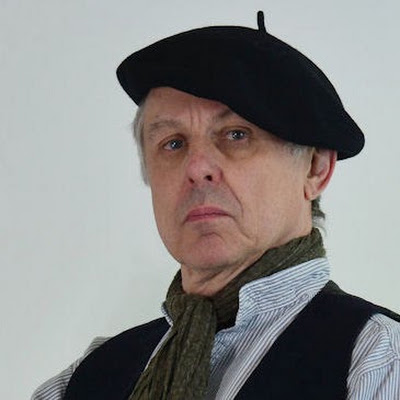
About this show
Welcome to Art History School.
I'm Paul Priestley, former art teacher and lifelong art educator. On this channel, you'll discover the lives, ideas, struggles, and masterpieces of many legendary painters. Whether you're new to art history or a lifelong enthusiast, you'll find engaging and accessible insights that bring artists and their work to life. No complicated jargon. No pretentious "artspeak." Just fascinating stories, clear explanations, and a deeper understanding of the people behind the paintings.
Every video is researched, written, filmed, and edited by me in my own studio. I do not use AI-generated, narration, images, or video content. Creating each film is a hands-on process that allows me to produce thoughtful, carefully crafted videos that are both informative and enjoyable to watch.
If you'd like to explore the rich and colourful world of art through the lives and works of great artists, subscribe and join me at Art History School.
Videos come from the channel's public YouTube feed. The artwork is the newest video thumbnail. Last updated . Names, artwork and text belong to their publishers.
Cosmos
Similar by topic and creator
- Adobe
Shares the topics Arts and Culture and Education. - Khan Academy
Shares the topics Arts and Culture and Education. - Thoughty2
Shares the topics Arts and Culture and Education.
Videos
David Hockney: The Outsider Who Broke Every Rule
· 20 min
Discover the incredible story of David Hockney, the defiant rebel of British Modernism who completely changed how we look at the world. From his iconic California swimming pool paintings to his groundbreaking digital artwork, Hockney spent six decades breaking every rule the traditional art establishment threw at him. In this complete art history biography, we explore Hockney’s restless imagination, his rise through the Pop Art movement, and the secrets behind his most famous masterpieces—including A Bigger Splash and Mr and Mrs Clark and Percy. Whether you are an art historian or a casual art lover, join us as we dive deep into the brilliant mind of Britain’s most celebrated modern artist to find out how a working-class boy from Yorkshire conquered the global art world. ✅If you enjoyed this biography, explore the next artist involved in British Modernism: https://www.youtube.com/playlist?list=PLLmTzZJykFaijQuS4r58kZ-83ya45B_BM ✅Buy the book related to this video: https://bit.ly/4z5RnI7 I earn a small commission if you buy the book through this link. CHAPTERS 00:00 - Introduction 01:45 - Hockney's Early Years, School in Bradford, Bradford Art College 04:11 - Royal College of Art & Rebel Years 06:22 - Moving to LA & A Bigger Splash 10:10 - The Fax Machine Art & Berlin Wall 12:45 - The Optical Devices Theory Explained 18:10 - Final Reflections & Legacy Become a member of my channel: https://www.youtube.com/channel/UClUA1p4Cyzz2IMJoXCQu6eQ/join For more videos about artists visit @ArtHistorySchool Interested in DRAWING? Check out my drawing channel: @PaulPriestleyart You can follow our Facebook Page at: https://www.facebook.com/PaulPriestleyArtVideos/ Please support this channel on Patreon, https://patreon.com/paulpriestleyart PATREON: I'd like to thank the following patrons whose support in the making of this video is much appreciated: Dee Ann Havely, Deirdre Feely, Denise Berg, Ivan Gilbert Rappaport, Mary Stewart, Nicolae Opris, S. Ryckman, Tatiana Lostorto, Tina Valentine, Visnja Zeljeznjak, Linda Frazier, Marnie Coutts, Stein Harald Os, Emily Liss, William Scott Griffiths, Dinny Hinds, Patrick Lefebvre, Philip Levene, Alena Sidorkina, Jeff Smith, Ashok Kanagasundram, Olivia McGoldrick, Rahman Yii, Sarah Hirsch, Kevin Coburn, Stacy Schweigler, Jennifer Ranghelli, Deborah Smith, Emily, Carol Tenson, Min A, Colin Parrish, Larry Specht, David Cornwell, Kerri Southern, Yvonne Tsang, Lena Allen, Hüma, Michelle Kunkel, Barbara Perl, Steve Pike, LN, Mary K. Kroner, Kate Emery, Don Kyle, David Smernoff, Kathy Anderson, Shirley Trill, Floki, Hristiana Bobeva, David Tate, Henrik, Howard Schwartz, Judy Tuwaletstiwa, Scott Baker, Mikaela Mendoza- Cardenal, Susan Valliant, Victor Mullins, Yui PY, Bronagh McCann, Joe Pattyn, Nick Civitello, John Maynarich, Edward Kosiewicz, John Connell, Denise, James O'Gara, Thor Kuniholm, Russell R and Wendy Humphrey Copyright Disclaimer under section 107 of the Copyright Act of 1976, allowance is made for “fair use” for purposes such as criticism, comment, news reporting, teaching, scholarship, education, and research. Fair use is a use permitted by copyright statute that might otherwise be infringing. Paul Priestley
Not rated yetPaula Rego - The Artist Whose Shocking Work Changed the Law
· 17 min
✅If you enjoyed this biography, you’ll love the next artist in the playlist — tap to continue.: https://www.youtube.com/playlist?list=PLLmTzZJykFaijQuS4r58kZ-83ya45B_BM ✅Want to know more? Buy the book related to this video: 'Paula Rego' https://tidd.ly/4B4ulTU I earn a small commission if you buy the book through this link. This video covers the life and work of the Portuguese artist Paul Rego. Step into the powerful and unsettling world of Paula Rego, one of the most important figurative artists of the late 20th and early 21st centuries. This art history video explores Rego’s extraordinary life, from her childhood in Portugal to her influential career in Britain. Known for her dark, narrative-driven paintings, Rego tackled themes of power, gender, politics, and storytelling with fearless honesty. We examine some of her most famous works, including The Dance, Dog Woman, The Policeman’s Daughter, and her haunting Abortion Series. Her art often draws on fairy tales, folklore, and personal memory, transforming familiar stories into bold and sometimes disturbing visual narratives. Discover how her experiences under dictatorship in Portugal shaped her political voice and artistic direction. This video also explores her connection to the School of London and her unique place within modern British art. Rego’s distinctive style combines raw emotion with theatrical composition, creating images that are both intimate and confrontational. We’ll look at how she challenged traditional representations of women, giving voice to complex and often overlooked perspectives. Her work continues to resonate for its honesty, courage, and psychological depth. Perfect for viewers interested in contemporary art, feminist themes, and narrative painting. Watch now to discover the life and work of Paula Rego—an artist who turned stories into powerful acts of expression. Become a member of my channel: https://www.youtube.com/channel/UClUA1p4Cyzz2IMJoXCQu6eQ/join For more videos about artists visit @ArtHistorySchool Interested in DRAWING? Check out my drawing channel: @PaulPriestleyart You can follow our Facebook Page at: https://www.facebook.com/PaulPriestleyArtVideos/ Please support this channel on Patreon, https://patreon.com/paulpriestleyart PATREON: I'd like to thank the following patrons whose support in the making of this video is much appreciated: Dee Ann Havely, Deirdre Feely, Denise Berg, Ivan Gilbert Rappaport, Mary Stewart, Nicolae Opris, S. Ryckman, Tatiana Lostorto, Tina Valentine, Visnja Zeljeznjak, Linda Frazier, Marnie Coutts, Stein Harald Os, Emily Liss, William Scott Griffiths, Dinny Hinds, Patrick Lefebvre, Philip Levene, Alena Sidorkina, Jeff Smith, Ashok Kanagasundram, Olivia McGoldrick, Rahman Yii, Sarah Hirsch, Kevin Coburn, Stacy Schweigler, Jennifer Ranghelli, Deborah Smith, Emily, Carol Tenson, Min A, Colin Parrish, Larry Specht, David Cornwell, Kerri Southern, Yvonne Tsang, Lena Allen, Hüma, Michelle Kunkel, Barbara Perl, Steve Pike, LN, Mary K. Kroner, Kate Emery, Don Kyle, David Smernoff, Kathy Anderson, Shirley Trill, Floki, Hristiana Bobeva, David Tate, Henrik, Howard Schwartz, Judy Tuwaletstiwa, Scott Baker, Mikaela Mendoza- Cardenal, Susan Valliant, Victor Mullins, Yui PY, Bronagh McCann, Joe Pattyn, Nick Civitello, John Maynarich, Edward Kosiewicz, John Connell, Denise, James O'Gara, Thor Kuniholm, Russell R and Wendy Humphrey Copyright Disclaimer under section 107 of the Copyright Act of 1976, allowance is made for “fair use” for purposes such as criticism, comment, news reporting, teaching, scholarship, education, and research. Fair use is a use permitted by copyright statute that might otherwise be infringing. Paul Priestley 0:00 Introduction to Paula Rego 0:36 Early life in Portugal 2:24 Education and early career 4:25 Personal and artistic growth 6:29 Surrealism and narrative 8:41 Hardship and transition 10:46 Refining her unique style 12:57 Exploring gender and power 14:17 Political and social impact 16:06…
Not rated yetHow Fernand Léger Weaponized Cubism
· 19 min
✅Enjoyed the video? You'll love exploring others from The European Avant-Garde: https://www.youtube.com/playlist?list=PLRnrrVEsmbC4 I will earn a small commission from any product bought from this channel. Discover the bold, mechanical beauty of Fernand Léger, one of the most innovative French artists of the 20th century. This art history video explores Léger’s journey from rural Normandy to the heart of the Parisian avant-garde, where he became a major figure in Cubism and modern art. Known for his powerful tubular forms and vibrant primary colours, Léger developed a distinctive style often described as “Tubism.” We examine some of his most famous paintings, including The City, Contrast of Forms, Three Women (Le Grand Déjeuner), and The Mechanical Elements. His work celebrated the energy of the modern age, drawing inspiration from industry, machinery, urban life, and technology. After serving in the First World War, Léger’s experiences profoundly shaped his artistic vision and commitment to accessible, public art. This video explores how he bridged fine art and popular culture, influencing design, cinema, and even mural painting. Léger believed art should reflect contemporary society, and his bold compositions captured the rhythm and dynamism of the machine era. We’ll also look at his later large-scale works and his move towards a more figurative yet still highly stylised approach. His legacy extends far beyond Cubism, impacting generations of modern and contemporary artists. Perfect for viewers interested in modernism, French art history, and the evolution of Cubism. Watch now to explore the life and work of Fernand Léger—an artist who transformed the modern world into powerful visual form. Become a member of my channel: https://www.youtube.com/channel/UClUA1p4Cyzz2IMJoXCQu6eQ/join For more videos about artists visit @ArtHistorySchool Interested in DRAWING? Check out my drawing channel: @PaulPriestleyart You can follow our Facebook Page at: https://www.facebook.com/PaulPriestleyArtVideos/ Please support this channel on Patreon, https://patreon.com/paulpriestleyart PATREON: I'd like to thank the following patrons whose support in the making of this video is much appreciated: Dee Ann Havely, Deirdre Feely, Denise Berg, Ivan Gilbert Rappaport, Mary Stewart, Nicolae Opris, S. Ryckman, Tatiana Lostorto, Tina Valentine, Visnja Zeljeznjak, Linda Frazier, Marnie Coutts, Stein Harald Os, Emily Liss, William Scott Griffiths, Dinny Hinds, Patrick Lefebvre, Philip Levene, Alena Sidorkina, Jeff Smith, Ashok Kanagasundram, Olivia McGoldrick, Rahman Yii, Sarah Hirsch, Kevin Coburn, Stacy Schweigler, Jennifer Ranghelli, Deborah Smith, Emily, Carol Tenson, Min A, Colin Parrish, Larry Specht, David Cornwell, Kerri Southern, Yvonne Tsang, Lena Allen, Hüma, Michelle Kunkel, Barbara Perl, Steve Pike, LN, Mary K. Kroner, Kate Emery, Don Kyle, David Smernoff, Kathy Anderson, Shirley Trill, Floki, Hristiana Bobeva, David Tate, Henrik, Howard Schwartz, Judy Tuwaletstiwa, Scott Baker, Mikaela Mendoza- Cardenal, Susan Valliant, Victor Mullins, Yui PY, Bronagh McCann, Joe Pattyn, Nick Civitello, John Maynarich, Edward Kosiewicz, John Connell, Denise, James O'Gara, Thor Kuniholm and Wendy Humphrey Copyright Disclaimer under section 107 of the Copyright Act of 1976, allowance is made for “fair use” for purposes such as criticism, comment, news reporting, teaching, scholarship, education, and research. Fair use is a use permitted by copyright statute that might otherwise be infringing. Paul Priestley 0:00 Introduction to Léger 0:28 Early life and education 1:24 Move to Paris and studies 2:12 Influences and transition 3:30 Developing a cubist style 4:47 Modern technology and urban life 6:01 War experiences and impact 7:30 Mechanical classicism 9:17 Film and international success 10:48 Surrealist experimentation 11:32 Social themes and public art 13:46 Exile in the United States 15:05 Return to France and politics 16:04 Late works and mature style…
Not rated yetLucian Freud: The British Painter Who Redefined Portraits - His Life, Art & Obsession
· 17 min
✅If you enjoyed this biography, you’ll love the next artist in the playlist — tap to continue.: https://www.youtube.com/playlist?list=PLLmTzZJykFaijQuS4r58kZ-83ya45B_BM ✅Want to know more? Buy the book related to this video: 'Lucian Freud' https://bit.ly/4xWcs6O I earn a small commission if you buy a product through this channel. Please Note: Apology - The labels in this video show Freud's forename misspelt as 'Lucien' and not 'Lucian' as it should be. I simply didn't notice, despite checking for errors, until it was uploaded when it was not possible to to correct the error. Enter the intense and uncompromising world of Lucian Freud, one of Britain’s most influential and controversial painters of the 20th century. This art history video explores the life and work of Freud, renowned for his brutally honest figurative painting and psychologically charged portraits. Grandson of Sigmund Freud, Lucian brought an unflinching gaze to the human body, painting flesh, form, and presence with extraordinary detail. We trace his journey from his early years in Berlin to his central role in post-war British art as a key figure in the School of London. Discover how his distinctive technique, thick impasto paint, and prolonged sittings transformed portraiture into something raw and deeply human. The video examines his famous portraits of friends, lovers, family, and fellow artists, including Francis Bacon. I’ll explore themes of identity, intimacy, ageing, and realism that define Freud’s work. Despite criticism and controversy, his paintings reshaped modern figurative art and challenged traditional ideas of beauty. Learn how his obsessive working process and intense focus set him apart from his contemporaries. This video also looks at his late recognition and lasting influence on contemporary painters. Perfect for viewers interested in British art, modern portraiture, and the psychology of painting. Watch now to uncover the life and legacy of Lucian Freud—an artist who painted the human condition without compromise. Become a member of my channel: https://www.youtube.com/channel/UClUA1p4Cyzz2IMJoXCQu6eQ/join For more videos about artists visit @ArtHistorySchool Interested in DRAWING? Check out my drawing channel: @PaulPriestleyart You can follow our Facebook Page at: https://www.facebook.com/PaulPriestleyArtVideos/ Please support this channel on Patreon, https://patreon.com/paulpriestleyart PATREON: I'd like to thank the following patrons whose support in the making of this video is much appreciated: Dee Ann Havely, Deirdre Feely, Denise Berg, Ivan Gilbert Rappaport, Mary Stewart, Nicolae Opris, S. Ryckman, Tatiana Lostorto, Tina Valentine, Visnja Zeljeznjak, Linda Frazier, Marnie Coutts, Stein Harald Os, Emily Liss, William Scott Griffiths, Dinny Hinds, Patrick Lefebvre, Philip Levene, Alena Sidorkina, Jeff Smith, Ashok Kanagasundram, Olivia McGoldrick, Rahman Yii, Sarah Hirsch, Kevin Coburn, Stacy Schweigler, Jennifer Ranghelli, Deborah Smith, Emily, Carol Tenson, Min A, Colin Parrish, Larry Specht, David Cornwell, Kerri Southern, Yvonne Tsang, Lena Allen, Hüma, Michelle Kunkel, Barbara Perl, Steve Pike, LN, Mary K. Kroner, Kate Emery, Don Kyle, David Smernoff, Kathy Anderson, Shirley Trill, Floki, Hristiana Bobeva, David Tate, Henrik, Howard Schwartz, Judy Tuwaletstiwa, Scott Baker, Mikaela Mendoza- Cardenal, Susan Valliant, Victor Mullins, Yui PY, Bronagh McCann, Joe Pattyn, Nick Civitello, John Maynarich, Edward Kosiewicz, John Connell, Denise, James O'Gara, Thor Kuniholm and Wendy Humphrey Copyright Disclaimer under section 107 of the Copyright Act of 1976, allowance is made for “fair use” for purposes such as criticism, comment, news reporting, teaching, scholarship, education, and research. Fair use is a use permitted by copyright statute that might otherwise be infringing. Paul Priestley 0:00 Introduction to Lucien Freud 0:28 Early life and background 1:07 Move to London and schooling 2:21 Early artistic beginnings 3:06 Art…
Not rated yetWillem de Kooning: The Chaotic Genius of Modern American Art
· 17 min
✅Want more? The next artist’s story is even more fascinating — watch it now.: https://www.youtube.com/playlist?list=PLAPUwhAATTPA ✅Buy the book related to this video: 'de Kooning' https://tidd.ly/4jDiYw3 I earn a small commission if you buy the book through this link. Step into the dynamic world of Willem de Kooning, one of the leading figures of Abstract Expressionism and a true giant of modern art. This video traces his journey from his early life in Rotterdam to his rise in New York, where he became part of a groundbreaking generation of artists. Known for his energetic brushwork and bold compositions, de Kooning blurred the boundaries between abstraction and figuration, creating paintings that pulse with movement and emotion. His famous Women series shocked and fascinated audiences, challenging traditional ideas of representation. We’ll explore how his work reflected both the chaos and vitality of post-war America, cementing his role in the New York School alongside Jackson Pollock and Mark Rothko. Despite personal struggles, de Kooning continued to push the limits of painting, experimenting with colour, form, and texture throughout his career. His influence can be seen across contemporary art, from painting to sculpture and beyond. This video delves into his artistic process, his controversies, and his lasting impact on the history of art. Perfect for anyone interested in modern art, Abstract Expressionism, or the story of artists who redefined painting in the 20th century. Watch now to discover the life and legacy of Willem de Kooning – a master of movement, gesture, and raw expression. For more videos about artists visit @ArtHistorySchool Interested in DRAWING? Check out my drawing channel: @PaulPriestleyart You can follow our Facebook Page at: https://www.facebook.com/PaulPriestleyArtVideos/ Please support this channel on Patreon, https://patreon.com/paulpriestleyart many thanks! PATREON: I'd like to thank the following patrons whose support in the making of this video is much appreciated: Dee Ann Havely, Deirdre Feely, Denise Berg, Ivan Gilbert Rappaport, Mary Stewart, Nicolae Opris, S. Ryckman, Tatiana Lostorto, Tina Valentine, Visnja Zeljeznjak, Linda Frazier, Marnie Coutts, Stein Harald Os, Emily Liss, William Scott Griffiths, Dinny Hinds, Patrick Lefebvre, Philip Levene, Alena Sidorkina, Jeff Smith, Ashok Kanagasundram, Olivia McGoldrick, Rahman Yii, Sarah Hirsch, Kevin Coburn, Stacy Schweigler, Jennifer Ranghelli, Deborah Smith, Emily, Carol Tenson, Min A, Colin Parrish, Larry Specht, David Cornwell, Kerri Southern, Yvonne Tsang, Lena Allen, Hüma, Michelle Kunkel, Barbara Perl, Steve Pike, LN, Mary K. Kroner, Kate Emery, Don Kyle, David Smernoff, Kathy Anderson, Shirley Trill, Floki, Hristiana Bobeva, David Tate, Henrik, Howard Schwartz, Judy Tuwaletstiwa, Scott Baker, Mikaela Mendoza- Cardenal, Susan Valliant, Victor Mullins, Yui PY, Bronagh McCann, Joe Pattyn, Nick Civitello, John Maynarich, Edward Kosiewicz, John Connell, Denise, and Wendy Humphrey Copyright Disclaimer under section 107 of the Copyright Act of 1976, allowance is made for “fair use” for purposes such as criticism, comment, news reporting, teaching, scholarship, education, and research. Fair use is a use permitted by copyright statute that might otherwise be infringing. Paul Priestley 0:00 Introduction to De Kooning 0:31 Early life in Rotterdam 3:30 Journey to America 4:40 Struggle and development 5:52 Marriage to Elaine Fried 7:02 Rising art star 8:28 The infamous Woman series 9:46 Redefining modern painting 11:10 Move to Long Island 12:29 International recognition 13:35 Final years and legacy 14:44 Conclusion
Not rated yetEgon Schiele’s Short, Scandalous Life — And Why His Art Still Matters
· 18 min
✅Enjoyed the video? You'll love exploring others from The European Avant-Garde: https://www.youtube.com/playlist?list=PLRnrrVEsmbC4 ✅Buy the book related to this video: https://bit.ly/4hl66cj I receive a small commission if you do purchase the book. Dive into the intense and provocative world of Egon Schiele, one of the most compelling figures of early 20th-century Austrian art. This video explores the dramatic life and work of Schiele, known for his raw, emotional portraits and bold depictions of the human figure. A protégé of Gustav Klimt and a key figure of the Vienna Secession, Schiele pushed the boundaries of traditional art with his expressive lines, exaggerated forms, and daring subject matter. Discover how his deeply personal style reflected themes of identity, sexuality, mortality, and inner conflict. We’ll look at his controversial early career, including his arrests and censorship, and how these experiences shaped his artistic voice. Despite dying tragically young at just 28, Schiele left behind a powerful legacy of work that continues to influence contemporary artists. Learn how his intense self-portraits, haunting figures, and psychological depth set him apart from his peers. This video is perfect for fans of Expressionism, art history, and those fascinated by artists who challenged convention. With vivid imagery and insightful commentary, it offers a compelling look at one of modern art’s most original and tragic talents. Watch now to uncover the life and legacy of Egon Schiele – an artist who bared his soul through every line. For more videos about artists visit @ArtHistorySchool Interested in DRAWING? Check out my drawing channel: @PaulPriestleyart You can follow our Facebook Page at: https://www.facebook.com/PaulPriestleyArtVideos/ Please support this channel on Patreon, https://patreon.com/paulpriestleyart many thanks! PATREON: I'd like to thank the following patrons whose support in the making of this video is much appreciated: Dee Ann Havely, Deirdre Feely, Denise Berg, Ivan Gilbert Rappaport, Mary Stewart, Nicolae Opris, S. Ryckman, Tatiana Lostorto, Tina Valentine, Visnja Zeljeznjak, Linda Frazier, Marnie Coutts, Stein Harald Os, Emily Liss, William Scott Griffiths, Dinny Hinds, Patrick Lefebvre, Philip Levene, Alena Sidorkina, Jeff Smith, Ashok Kanagasundram, Olivia McGoldrick, Rahman Yii, Sarah Hirsch, Kevin Coburn, Stacy Schweigler, Jennifer Ranghelli, Deborah Smith, Emily, Carol Tenson, Min A, Colin Parrish, Larry Specht, David Cornwell, Kerri Southern, Yvonne Tsang, Lena Allen, Hüma, Michelle Kunkel, Barbara Perl, Steve Pike, LN, Mary K. Kroner, Kate Emery, Don Kyle, David Smernoff, Kathy Anderson, Shirley Trill, Floki, Hristiana Bobeva, David Tate, Henrik, Howard Schwartz, Judy Tuwaletstiwa, Scott Baker, Mikaela Mendoza- Cardenal, Susan Valliant, Victor Mullins, Yui PY, Bronagh McCann, Joe Pattyn, Nick Civitello, John Maynarich and Wendy Humphrey Copyright Disclaimer under section 107 of the Copyright Act of 1976, allowance is made for “fair use” for purposes such as criticism, comment, news reporting, teaching, scholarship, education, and research. Fair use is a use permitted by copyright statute that might otherwise be infringing. Paul Priestley 0:00 Introduction 0:32 Early life and family 2:37 Schooling and tragedy 4:11 The mentor Gustav Klimt 5:43 Forming the New Art Group 7:04 Developing a unique style 8:10 Scandal and imprisonment 10:15 Rising career and muse 11:24 Marriage and loss of Vali 13:09 Military service in WWI 14:17 Artistic peak and success 16:06 Death and legacy
Not rated yetHundertwasser: The Radical Artist Who Turned Buildings into Living Forests
· 16 min
✅Ready for another artist? You'll love exploring other Radical Pioneers of Global Modern Art: https://www.youtube.com/playlist?list=PLNte6u-Mt5Gs Dive into the colourful and unconventional world of Friedensreich Hundertwasser, the Austrian artist, architect, and environmental visionary who defied straight lines and embraced nature in every creation! Known for his vibrant, spiraling designs and eco-friendly philosophy, Hundertwasser fused expressionist art, organic architecture, and environmental activism into a truly unique legacy. From his surreal paintings and prints to iconic buildings like the Hundertwasserhaus in Vienna, his work bursts with life, colour, and meaning. Discover how he challenged modernism, rejected uniformity, and championed a return to nature through art. If you're curious about avant-garde art, sustainable design, and visionary architecture, this video is your gateway into a truly extraordinary mind. Like, comment, and subscribe to explore more artistic rebels who changed the world! For more videos about artists visit @ArtHistorySchool Interested in DRAWING? Check out my drawing channel: @PaulPriestleyart You can follow our Facebook Page at: https://www.facebook.com/PaulPriestleyArtVideos/ Please support this channel on Patreon, https://patreon.com/paulpriestleyart many thanks! PATREON: I'd like to thank the following patrons whose support in the making of this video is much appreciated: Dee Ann Havely, Deirdre Feely, Denise Berg, Ivan Gilbert Rappaport, Mary Stewart, Nicolae Opris, S. Ryckman, Tatiana Lostorto, Tina Valentine, Visnja Zeljeznjak, Linda Frazier, Marnie Coutts, Stein Harald Os, Emily Liss, William Scott Griffiths, Dinny Hinds, Patrick Lefebvre, Philip Levene, Alena Sidorkina, Jeff Smith, Ashok Kanagasundram, Olivia McGoldrick, Rahman Yii, Sarah Hirsch, Kevin Coburn, Stacy Schweigler, Jennifer Ranghelli, Deborah Smith, Emily, Carol Tenson, Min A, Colin Parrish, Larry Specht, David Cornwell, Kerri Southern, Yvonne Tsang, Lena Allen, Hüma, Michelle Kunkel, Barbara Perl, Steve Pike, LN, Mary K. Kroner, Kate Emery, Don Kyle, David Smernoff, Kathy Anderson, Shirley Trill, Floki, Hristiana Bobeva, David Tate, Henrik, Howard Schwartz, Judy Tuwaletstiwa, Scott Baker, Mikaela Mendoza- Cardenal, Susan Valliant, Victor Mullins, Yui PY, Bronagh McCann and Wendy Humphrey Copyright Disclaimer under section 107 of the Copyright Act of 1976, allowance is made for “fair use” for purposes such as criticism, comment, news reporting, teaching, scholarship, education, and research. Fair use is a use permitted by copyright statute that might otherwise be infringing. Paul Priestley 0:00 Introduction to artist 0:32 Early life and survival 2:10 Artistic beginnings and name 3:26 Developing a personal style 5:13 Architectural critiques 6:13 International recognition 7:14 Architectural projects 8:26 Graphic art and sailing 10:11 Ecological activism in NZ 11:05 Art and city planning 12:48 Later works and legacy 13:42 Final years and death
Not rated yetBASQUIAT : Fiercely Intelligent and Volatile. He Catapulted Graffiti into Respectabilty
· 20 min
✅Your next artist is one click away — continue the playlist for the full series: https://www.youtube.com/playlist?list=PLAPUwhAATTPA ✅Buy the book related to this video: 'Jean Michel Basquiat': https://bit.ly/46Yrf63 I earn a small commission if you buy the book through this link. Step into the explosive and influential world of Jean-Michel Basquiat, one of the most important American artists of the late 20th century. This art history video explores Basquiat’s remarkable rise from New York street artist and graffiti writer SAMO to international art world sensation. Known for his raw, expressive style, Basquiat fused Neo-Expressionism, street culture, and art history into powerful visual statements. His paintings are filled with symbols, text, crowns, and anatomical drawings that confront themes of race, identity, power, and inequality. We examine how jazz, hip-hop, poetry, and African-American history shaped his distinctive visual language. The video also looks at his complex relationship with Andy Warhol and their collaborations during the 1980s art boom. Despite achieving fame at a young age, Basquiat struggled with addiction, pressure, and exploitation within the commercial art world. Learn how his work challenged elitism and reclaimed space for Black voices in contemporary art. We’ll explore key works that cemented his legacy and made his paintings some of the most valuable in history today. Basquiat’s fearless creativity continues to influence artists, fashion, and popular culture worldwide. This video offers insight into both the myth and the reality behind the artist. Watch now to uncover the life, art, and enduring impact of Jean-Michel Basquiat—a voice that still speaks powerfully today. For more videos about artists visit @ArtHistorySchool Interested in DRAWING? Check out my drawing channel: @PaulPriestleyart You can follow our Facebook Page at: https://www.facebook.com/PaulPriestleyArtVideos/ Please support this channel on Patreon, https://patreon.com/paulpriestleyart many thanks! PATREON: I'd like to thank the following patrons whose support in the making of this video is much appreciated: Dee Ann Havely, Deirdre Feely, Denise Berg, Ivan Gilbert Rappaport, Mary Stewart, Nicolae Opris, S. Ryckman, Tatiana Lostorto, Tina Valentine, Visnja Zeljeznjak, Linda Frazier, Marnie Coutts, Stein Harald Os, Emily Liss, William Scott Griffiths, Dinny Hinds, Patrick Lefebvre, Philip Levene, Alena Sidorkina, Jeff Smith, Ashok Kanagasundram, Olivia McGoldrick, Rahman Yii, Sarah Hirsch, Kevin Coburn, Stacy Schweigler, Jennifer Ranghelli, Deborah Smith, Emily, Carol Tenson, Min A, Colin Parrish, Larry Specht, David Cornwell, Kerri Southern, Yvonne Tsang, Lena Allen, Hüma, Michelle Kunkel, Barbara Perl, Steve Pike, LN, Mary K. Kroner, Kate Emery, Don Kyle, David Smernoff, Kathy Anderson, Shirley Trill, Floki, Hristiana Bobeva, David Tate, Henrik, Howard Schwartz, Judy Tuwaletstiwa, Scott Baker, Mikaela Mendoza- Cardenal, Susan Valliant, Victor Mullins, Yui PY, Bronagh McCann and Wendy Humphrey Copyright Disclaimer under section 107 of the Copyright Act of 1976, allowance is made for “fair use” for purposes such as criticism, comment, news reporting, teaching, scholarship, education, and research. Fair use is a use permitted by copyright statute that might otherwise be infringing. Paul Priestley 0:00 Introduction to Basquiat 0:52 Early life and education 2:35 Family instability and travel 4:21 Graffiti and the SAMO era 5:55 Transitioning to fine art 7:21 Artistic breakthrough 10:00 Solo exhibitions and acclaim 12:45 Warhol collaboration and fame 15:32 Health issues and tensions 17:00 Decline and memorial work 18:04 Final days in Hawaii 18:57 Legacy and tragic end
Not rated yetEdward Hopper: The Painter of American Loneliness and Isolation
· 19 min
✅Want more? The next artist’s story is even more fascinating — watch it now.: https://www.youtube.com/playlist?list=PLAPUwhAATTPA ✅Buy the book related to this video: 'Hopper' https://bit.ly/3W08Inu I earn a small commission if you buy the book through this link. Discover the life and legacy of Edward Hopper, one of the most influential American painters of the 20th century, in this captivating short video. Best known for iconic works like Nighthawks, Chop Suey, Automat and Morning Sun, Hopper captured the stillness, isolation, and quiet drama of modern urban life. His distinctive use of light and shadow, along with his stark yet poetic compositions, continues to inspire artists, filmmakers, and photographers around the world. Learn how Hopper’s early years, time in Paris, and career in commercial illustration shaped his unique artistic voice. This video delves into the emotional depth and subtle storytelling behind his most famous paintings. We’ll explore themes of solitude, introspection, and the changing American landscape that define his work. Whether you're a fan of realist art, interested in American culture, or simply intrigued by the moodiness of Hopper’s world, this video offers a fascinating insight. Watch now to uncover the quiet genius of Edward Hopper and the stories behind his hauntingly beautiful art. This art video seeks to answer the following questions about Edward Hopper: How did Hopper's experiences in Europe influence his work, particularly his feelings on Cubism? How does Hopper's use of light and shadow create a sense of mood and drama? What kind of narrative is often implied in his paintings of everyday scenes? What is the significance of the settings he chose, such as New York City and Cape Cod? What notable filmmaker was inspired by Hopper's painting House by the Railroad? Did Hopper work primarily from real-life subjects or from imagination and memory? How did Hopper's personal experiences, such as his height and introverted personality, potentially influence his themes of isolation? For more videos about artists visit @ArtHistorySchool Interested in DRAWING? Check out my drawing channel: @PaulPriestleyart You can follow our Facebook Page at: https://www.facebook.com/PaulPriestleyArtVideos/ Please support this channel on Patreon, https://patreon.com/paulpriestleyart many thanks! PATREON: I'd like to thank the following patrons whose support in the making of this video is much appreciated: Dee Ann Havely, Deirdre Feely, Denise Berg, Ivan Gilbert Rappaport, Mary Stewart, Nicolae Opris, S. Ryckman, Tatiana Lostorto, Tina Valentine, Visnja Zeljeznjak, Linda Frazier, Marnie Coutts, Stein Harald Os, Emily Liss, William Scott Griffiths, Dinny Hinds, Patrick Lefebvre, Philip Levene, Alena Sidorkina, Jeff Smith, Ashok Kanagasundram, Olivia McGoldrick, Rahman Yii, Sarah Hirsch, Kevin Coburn, Stacy Schweigler, Jennifer Ranghelli, Deborah Smith, Emily, Carol Tenson, Min A, Colin Parrish, Larry Specht, David Cornwell, Kerri Southern, Yvonne Tsang, Lena Allen, Hüma, Michelle Kunkel, Barbara Perl, Steve Pike, LN, Mary K. Kroner, Kate Emery, Don Kyle, David Smernoff, Kathy Anderson, Shirley Trill, Floki, Hristiana Bobeva, David Tate, Henrik, Howard Schwartz, Judy Tuwaletstiwa, Scott Baker, Mikaela Mendoza- Cardenal, Susan Valliant and Wendy Humphrey Copyright Disclaimer under section 107 of the Copyright Act of 1976, allowance is made for “fair use” for purposes such as criticism, comment, news reporting, teaching, scholarship, education, and research. Fair use is a use permitted by copyright statute that might otherwise be infringing. Paul Priestley 0:00 Introduction to Hopper 0:48 Early life in Nyack 3:02 Art training and Paris 4:57 Struggles and commercial work 6:42 Finding a artistic voice 8:27 Marriage to Josephine 9:56 Mature style and success 12:20 Proflific thirties and forties 14:12 Refining mood and atmosphere 16:10 Final years and legacy 17:40 Conclusion and impact
Not rated yetI'm Back! News of New Videos
· 53 sec
I'm back! This short video explains about a new art history video I have in production. It will be released soon.
Not rated yetWhy did Bulgarian artist Christo wrap up the Reichstag like a Parcel? #art #shorts #arthistory
· 59 sec
#artist #artshorts #arthistory In the realm of art history, one pivotal event in Germany marked the culmination of historical wounds and the dawn of renewal. In 1989, the Berlin Wall fell, but the specter of Nazi-era atrocities still haunted the collective memory of Germany. It wasn't until the 24th of June 1995 that a remarkable transformation unfolded before the eyes of German President Roman Herzog and the world, orchestrated by the visionary Bulgarian artist, Christo. On that fateful day, Christo and his artist wife Jeanne-Claude embarked on an audacious artistic endeavour - the wrapping of the Reichstag, Germany's iconic Parliament building. This architectural marvel had endured a tumultuous past, gutted by a mysterious fire in 1933, just prior to Hitler's ascent to power. For decades, it stood as a haunting ruin, bearing witness to a dark chapter in history. The symbolic act of encasing the Reichstag in shimmering fabric became a profound testament to the resilience of the German spirit. It symbolized the nation's determination to shed the remnants of its painful past and emerge anew. The wrapping was a visual metaphor, signifying the healing and reconstruction of a nation scarred by totalitarianism. On the 6th of July 1995, the cloth cocoon was delicately unraveled, unveiling the rebirth of the Reichstag. Reconstruction, organised by the architect Norman Forster, commenced promptly, allowing the German Parliament to once again in 1999, convene within its hallowed halls, just as it had before the Nazis' devastating reign. This masterstroke by Christo stands as one of his most poignant and impactful contemporary art works, encapsulating the power of art to heal wounds, reconcile history, and ignite hope in the hearts of a nation seeking redemption. The work was known as Wrapped Reichstag. Please consider subscribing to this channel: https://www.youtube.com/c/arthistoryschool?sub_confirmation=1 And supporting this channel on Patreon, https://patreon.com/paulpriestleyart many thanks! Interested in DRAWING? Check out my drawing channel: https://youtube.com/paulpriestleyart Would you like me to critique your drawing? Sign up here:- https:patreon.com/paulpriestleyart Follow our Facebook Page: https://www.facebook.com/PaulPriestleyArtVideos/ Follow our Twitter page: https://twitter.com/PriestleyonArt PATREON: I'd like to thank the following patrons whose support in the making of this video is much appreciated: Dee Ann Havely, Deirdre Feely, Denise Berg, Ivan Gilbert Rappaport, Mary Stewart, Nicolae Opris, S. Ryckman, Tatiana Lostorto, Tina Valentine, Visnja Zeljeznjak, Linda Frazier, Marnie Coutts, Stein Harald Os, Emily Liss, William Scott Griffiths, Dinny Hinds, Patrick Lefebvre, Philip Levene, Alena Sidorkina, Jeff Smith, Ashok Kanagasundram, Olivia McGoldrick, Rahman Yii, Sarah Hirsch, Kevin Coburn, Stacy Schweigler, Jennifer Ranghelli, Deborah Smith, Emily, Carol Tenson, Min A, Colin Parrish, Larry Specht, David Cornwell, Kerri Southern, Yvonne Tsang, Lena Allen, Hüma, Michelle Kunkel, Barbara Perl, Steve Pike, LN, Mary K. Kroner, Kate Emery, Don Kyle, Kathy Anderson, Shirley Trill, Floki, Hristiana Bobeva, David Tate, Henrik, Howard Schwartz, Judy Tuwaletstiwa, Scott Baker, Mikaela Mendoza- Cardenal, Bronagh McCann, Tameries Brito, Paula, David Burt and Susan Valliant Copyright Disclaimer under section 107 of the Copyright Act of 1976, allowance is made for “fair use” for purposes such as criticism, comment, news reporting, teaching, scholarship, education, and research. Fair use is a use permitted by copyright statute that might otherwise be infringing. Paul Priestley
Not rated yetWho did Salvador Dali think was the greatest painter of all time? #art #shorts #arthistory
· 1 min
See more art history videos at @ArtHistorySchool In the year 1979, the enigmatic Spanish surrealist artist Salvador Dali compiled an extraordinary list of what he believed to be the greatest painters in history. He meticulously evaluated each artist in nine distinct categories: technique, inspiration, colour, design, genius, composition, originality, mystery, and authenticity. A maximum of 20 points was allocated to each category. Salvador Dali himself claimed the 5th position in his list, a testament to his exceptional self-awareness and creative prowess. In 4th place, was the legendary Leonardo da Vinci, the Renaissance polymath whose innovations transcend time. In 3rd spot was the masterful Diego Velazquez, whose groundbreaking techniques left an indelible mark on art history. 2nd position went to the great renaissance master Raphael, whose ethereal works continue to captivate hearts across generations. The pinnacle of artistic excellence, according to Dali's discerning eye, was Johannes Vermeer whose mastery of light and meticulous attention to detail probably earned him the coveted title of Salvador Dali's ultimate artistic luminary. Please consider subscribing to this channel: https://www.youtube.com/c/arthistoryschool?sub_confirmation=1 And supporting this channel on Patreon, https://patreon.com/paulpriestleyart many thanks! Interested in DRAWING? Check out my drawing channel: https://youtube.com/paulpriestleyart Would you like me to critique your drawing? Sign up here:- https:patreon.com/paulpriestleyart Follow our Facebook Page: https://www.facebook.com/PaulPriestleyArtVideos/ Follow our Twitter page: https://twitter.com/PriestleyonArt PATREON: I'd like to thank the following patrons whose support in the making of this video is much appreciated: Dee Ann Havely, Deirdre Feely, Denise Berg, Ivan Gilbert Rappaport, Mary Stewart, Nicolae Opris, S. Ryckman, Tatiana Lostorto, Tina Valentine, Visnja Zeljeznjak, Linda Frazier, Marnie Coutts, Stein Harald Os, Emily Liss, William Scott Griffiths, Dinny Hinds, Patrick Lefebvre, Philip Levene, Alena Sidorkina, Jeff Smith, Ashok Kanagasundram, Olivia McGoldrick, Rahman Yii, Sarah Hirsch, Kevin Coburn, Stacy Schweigler, Jennifer Ranghelli, Deborah Smith, Emily, Carol Tenson, Min A, Colin Parrish, Larry Specht, David Cornwell, Kerri Southern, Yvonne Tsang, Lena Allen, Hüma, Michelle Kunkel, Barbara Perl, Steve Pike, LN, Mary K. Kroner, Kate Emery, Don Kyle, Kathy Anderson, Shirley Trill, Floki, Hristiana Bobeva, David Tate, Henrik, Howard Schwartz, Judy Tuwaletstiwa, Scott Baker, Mikaela Mendoza- Cardenal, Bronagh McCann, Tameries Brito, Paula, David Burt and Susan Valliant Copyright Disclaimer under section 107 of the Copyright Act of 1976, allowance is made for “fair use” for purposes such as criticism, comment, news reporting, teaching, scholarship, education, and research. Fair use is a use permitted by copyright statute that might otherwise be infringing. Paul Priestley
Not rated yetPicasso Took the Credit: The True Genius of Georges Braque
· 16 min
✅Enjoyed the video? You'll love exploring others from The European Avant-Garde: https://www.youtube.com/playlist?list=PLRnrrVEsmbC4 ✅Want to know more? Buy the book related to this video: 'Georges Braque - Post Cubism Masterpieces' https://tidd.ly/3VIKK06 I earn a small commission if you buy the book through this link. Join us on another episode of our art history channel as we delve into the life, works, and legacy of a true pioneer of modern art Georges Braque. From his early days as a Fauvist, collaborating with Picasso, to his ground breaking role in co-founding Cubism, Braque's artistic trajectory is a testament to innovation and creative daring. In this video, we'll navigate the intricate interplay between Braque's evolving style and the cultural backdrop of his time. Witness his mesmerizing fusion of form and content, as he skilfully navigated the realms of abstraction and representation. We'll explore his profound influence on Cubist principles, dissecting his collaborative efforts with Picasso and the birth of a revolutionary movement that transformed the artistic landscape forever. Georges Braque (1882–1963) stands as one of the seminal figures in 20th-century art, hailed for his transformative impact on the Cubist movement. Born in Argenteuil, France, Braque initially pursued a career in decorative painting before embracing the bold colours of Fauvism, collaborating closely with Pablo Picasso during the early 1900s. However, it was their co-invention of Cubism that catapulted Braque to artistic renown. Braque's ingenious approach to deconstructing and reconstructing forms revolutionized the concept of representation. His "analytical Cubism" sought to depict objects from multiple perspectives in a single composition, challenging traditional notions of space and dimension. His meticulous exploration of geometric shapes, fragmented planes, and earthy colour palettes gave rise to artworks that celebrated abstraction while retaining a sense of connection to reality. The outbreak of World War I temporarily paused Braque's artistic pursuits, but he resumed his creative journey with a renewed vigour post-war. The "synthetic Cubism" phase that followed introduced elements of collage and mixed media, showcasing his versatility and innovation. Throughout his career, Braque's dedication to pushing artistic boundaries left an indelible mark, inspiring generations of artists to rethink the way they perceived and expressed the world around them. His legacy endures as a testament to the power of artistic evolution and imagination. More art history: https://arthistoryschool.com How to Draw Videos: https://paulpriestleyart.com Please consider subscribing to this channel: https://www.youtube.com/c/arthistoryschool?sub_confirmation=1 And supporting this channel on Patreon, https://patreon.com/paulpriestleyart many thanks! Interested in DRAWING? Check out my drawing channel: https://youtube.com/paulpriestleyart Would you like me to critique your drawing? Sign up here:- https:patreon.com/paulpriestleyart Follow our Facebook Page: https://www.facebook.com/PaulPriestleyArtVideos/ Follow our Twitter page: https://twitter.com/PriestleyonArt PATREON: I'd like to thank the following patrons whose support in the making of this video is much appreciated: Dee Ann Havely, Deirdre Feely, Denise Berg, Ivan Gilbert Rappaport, Mary Stewart, Nicolae Opris, S. Ryckman, Tatiana Lostorto, Tina Valentine, Visnja Zeljeznjak, Linda Frazier, Marnie Coutts, Stein Harald Os, Emily Liss, William Scott Griffiths, Dinny Hinds, Patrick Lefebvre, Philip Levene, Alena Sidorkina, Jeff Smith, Ashok Kanagasundram, Olivia McGoldrick, Rahman Yii, Sarah Hirsch, Kevin Coburn, Stacy Schweigler, Jennifer Ranghelli, Deborah Smith, Emily, Carol Tenson, Min A, Colin Parrish, Larry Specht, David Cornwell, Kerri Southern, Yvonne Tsang, Lena Allen, Hüma, Michelle Kunkel, Barbara Perl, Steve Pike, LN, Mary K. Kroner, Kate Emery, Don Kyle, David Smernoff, Kathy Anderson,…
Not rated yetWhy did artist Piet Mondrian refuse to set foot in his home country, the Netherlands in 1926? #art
· 56 sec
An interesting incident in art history. This history of art video relates to an incident that took place in Paris in 1926. Piet Mondrian the Dutch abstract painter was being interviewed by a journalist from a Dutch newspaper about his work, neo-plasticism and abstract painting. Piet Mondrian wasn't interested in discussing his art work he just wanted to take about the fact that The Netherlands had banned the dance, the Charleston. Mondrian, who was also a great dancer, was appalled and vowed he would not return to his homeland until the ban was lifted. #shorts #arthistory #historyofart #famousartists #abstractart #mondrian #artist See more full-length art history videos of the lives of great artists at @arthistoryschool or visit my website: https://arthistoryschool.com Please Subscribe to this channel: https://www.youtube.com/c/arthistoryschool?sub_confirmation=1 Interested in DRAWING? Check out my drawing channel: https://youtube.com/paulpriestleyart Would you like me to critique your drawing? Sign up here:- https:patreon.com/paulpriestleyart For drawing and painting art tutorials designed for beginners - visit my website: - https://paulpriestleyart.com Follow our Facebook Page: https://www.facebook.com/PaulPriestleyArtVideos/
Not rated yetIn 1934 Mexican Artist Diego Rivera took Revenge on John D Rockefeller, Why? #shorts #famousartists
· 1 min
This art history video relates the story of Mexican artist Diego Rivera's mural he designed for the John D Rockefeller Center in New York in 1934. Because one of the faces in the mural looked like Lenin the founder of the Soviet Union there was an uproar in the American Press. Rivera refused to repaint the figure, so the mural was eventually destroyed. Diego Rivera repainted the mural in Mexico containing a very unflattering portrait of John D Rockefeller. #shorts #arthistory #historyofart #famousartists #mural See more full-length art history videos of the lives of great artists at @arthistoryschool or visit my website: https://arthistoryschool.com Please Subscribe to this channel: https://www.youtube.com/c/arthistoryschool?sub_confirmation=1 Interested in DRAWING? Check out my drawing channel: https://youtube.com/paulpriestleyart Would you like me to critique your drawing? Sign up here:- https:patreon.com/paulpriestleyart For drawing and painting art tutorials designed for beginners - visit my website: - https://paulpriestleyart.com Follow our Facebook Page: https://www.facebook.com/PaulPriestleyArtVideos/
Not rated yetThe Dark Reality of Otto Dix: Pain, Politics, and Powerful Paintings - Generalised Version
· 16 min
✅Enjoyed the video? You'll love exploring others from The European Avant-Garde: https://www.youtube.com/playlist?list=PLRnrrVEsmbC4 ✅Want to know more? Buy the book related to this video: 'Otto Dix and the Memorialization of World War 1' https://tidd.ly/4zrHKnd I earn a small commission if you buy the book through this link. This art history video covers the life of Otto Dix was a German painter and printmaker, born on 2 December, 1891, in Untermhaus, Thuringia. He was a prominent figure in the New Objectivity movement, which emerged in Germany after World War I and aimed to capture the harsh realities of life in a modern, industrialized society. Dix studied art in Dresden, and during World War I, served as a machine gunner on the Western Front. The horrors of war deeply affected him, and he would later produce a series of powerful anti-war works, including his famous triptych, "The War." In the 1920s and 1930s, Dix established himself as one of Germany's most important artists, and his works were exhibited widely throughout Europe. He was known for his stark, realistic style, which often portrayed the darker aspects of society. During the Nazi era, Dix's work was deemed "degenerate" and he was banned from exhibiting his art. He was even briefly imprisoned by the Gestapo. After the war, he continued to work as an artist and was eventually recognized as one of Germany's most important modern artists. Otto Dix died on July 25, 1969, in Singen, Germany, at the age of 77. His legacy as a painter and printmaker continues to be celebrated today, and his works can be found in museums and galleries around the world. This video seeks to answer the following questions about Otto Dix. How did Otto Dix's experiences in World War I shape his artistic vision and style? What are the defining features of Otto Dix's style, particularly in his portraits and war paintings? How did Otto Dix's work evolve from early influences to the more politically charged and shocking pieces for which he is famous? Why were the Nazis hostile to Dix's work and what specific actions did they take against him and his art? What kind of art did Otto Dix create while in "internal exile," and what was the nature of his work after World War II? What do Dix's works reveal about German society between the two world wars, particularly in his portraits of disabled veterans and sex workers? #arthistory #historyofart #famousartists Another version of this video which depicts more works and images by Otto Dix, that some may find disturbing. It can be seen here:- https://youtu.be/be3PW2QjVhI This video is rated 18+ And supporting this channel on Patreon, https://patreon.com/paulpriestleyart many thanks! Interested in DRAWING? Check out my drawing channel: https://youtube.com/paulpriestleyart Want this video in your own language? Check out my video to see how: https://youtu.be/ZnoxutAvyaI Follow our Facebook Page: https://www.facebook.com/PaulPriestleyArtVideos/ PATREON: I'd like to thank the following patrons whose support in the making of this video is much appreciated: Dee Ann Havely, Deirdre Feely, Denise Berg, Ivan Gilbert Rappaport, Mary Stewart, Nicolae Opris, S. Ryckman, Tatiana Lostorto, Tina Valentine, Visnja Zeljeznjak, Linda Frazier, Marnie Coutts, Stein Harald Os, Emily Liss, William Scott Griffiths, Dinny Hinds, Patrick Lefebvre, Philip Levene, Alena Sidorkina, Jeff Smith, Ashok Kanagasundram, Olivia McGoldrick, Rahman Yii, Sarah Hirsch, Kevin Coburn, Stacy Schweigler, Jennifer Ranghelli, Deborah Smith, Emily, Carol Tenson, Min A, Colin Parrish, Larry Specht, David Cornwell, Kerri Southern, Yvonne Tsang, Lena Allen, Hüma, Michelle Kunkel, Barbara Perl, Steve Pike, LN, Mary K. Kroner, Kate Emery, Don Kyle, David Smernoff, Kathy Anderson, Shirley Trill, Floki, Hristiana Bobeva, David Tate, David Burt, Henrik, Howard Schwartz, Judy Tuwaletstiwa and Susan Valliant Copyright Disclaimer under section 107 of the Copyright Act of 1976, allowance is made for…
Not rated yetWhy was the French artist Henri Rousseau ridiculed at the Salon d'Automne in Paris in 1907.
· 55 sec
The French naïve artist Henri Rousseau was exhibiting his painting, The Snake Charmer at the Salon d'Automne in Paris in 1907. But the painting was displayed behind a curtain in the far corner of the gallery. Poor Henri sat behind the curtain with his painting. Why was he forced to sit behind the curtain in an obscure part of the galley? The video explains. #historyofart #famousartists #rousseau Please consider subscribing to this channel: https://www.youtube.com/c/arthistoryschool And supporting this channel on Patreon, https://patreon.com/paulpriestleyart many thanks! You can see more full length art history videos at @arthistoryschool . Henri Rousseau was born in Laval in France and worked for a solicitor when he left school. He joined the army in 1863. Henri Rousseau exaggerates a great deal for example he claimed to serve in Mexico where he got inspiration for his jungle paintings – but there is no evidence from army records that he left France. He left the army in 1868, moved to Paris, France and married Clemence Boitard before getting a job as a tax collector on gates of Paris. He started copying paintings in the Louvre in 1884 and was totally self-taught. In 1885 Henri Rousseau exhibited his first pictures at the Salon des Refuses, Paris. The paintings had technical problems but had a naïve charm about them. His ‘paintings Surprised’, Old Junior’s Cart and ‘Scout attacked by a Tiger ‘are amongst his most important works. In 1908 Picasso presents him with a cardboard medal in his studio at the Bateau Lavoir in Paris. He died a pauper in 1910 and is buried in a pauper’s grave, 7 people attend his funeral. He was reburied in 1912 and again in 1947. Learn more about Henri Rousseau: https://youtu.be/0DSCLkhE4xw Please Subscribe to this channel: https://www.youtube.com/c/arthistoryschool?sub_confirmation=1 Interested in DRAWING? Check out my drawing channel: https://youtube.com/paulpriestleyart Would you like me to critique your drawing? Sign up here:- https:patreon.com/paulpriestleyart For drawing and painting art tutorials designed for beginners - visit my website: - https://paulpriestleyart.com Follow our Facebook Page: https://www.facebook.com/PaulPriestleyArtVideos/
Not rated yetWhy did French artist Robert Delaunay punch Georges Rouault in the Salon d'Automne? #arthistory
· 57 sec
This short video tells the story of an incident that took place in the Salon d'Automne exhibition in Paris in 1922. Robert Delaunay had decided to display his painting; The Carousel of Pigs flat on the floor in the gallery. The French artist Georges Rouault took exception to this and walked over the painting and also insulted Robert Delaunay. The resulting fracas was broken up by Robert Delaunay's wife, artist and fashion designer Sonia Delaunay. Please consider subscribing to this channel: https://www.youtube.com/c/arthistoryschool And supporting this channel on Patreon, https://patreon.com/paulpriestleyart many thanks! You can see more full length art history videos at @arthistoryschool . #shorts #arthistory #historyofart #famousartists #robertdelaunay Learn more about Henri Rousseau: https://youtu.be/0DSCLkhE4xw Please Subscribe to this channel: https://www.youtube.com/c/arthistoryschool?sub_confirmation=1 Interested in DRAWING? Check out my drawing channel: https://youtube.com/paulpriestleyart Would you like me to critique your drawing? Sign up here:- https:patreon.com/paulpriestleyart For drawing and painting art tutorials designed for beginners - visit my website: - https://paulpriestleyart.com Follow our Facebook Page: https://www.facebook.com/PaulPriestleyArtVideos/
Not rated yetOtto Dix: How Germany’s Expressionist Painter Shocked the World: 18+ version - Disturbing Images
· 18 min
✅If you enjoyed this biography, you’ll love the other Great 20th Century Artists in my Playlist: https://www.youtube.com/playlist?list=PLLmTzZJykFajwha0ykCGMHjKqq5-n7ZU- Otto Dix was a German artist and printmaker who was active during the first half of the 20th century. Born in 1891 in Untermhaus, Germany, Dix was a prolific and versatile painter who produced works in a variety of styles, including Expressionism, New Objectivity, and Surrealism. Despite his early training in academic painting, Dix's paintings often contained a sharp, critical edge that was in stark contrast to the idealized, academic art of the 1930’s in Germany under the Hitler regime. His paintings and prints often depicted the violence and suffering of World War I, as well as the decadence and corruption of German society in the 1920s. Dix's works were banned by the Nazi regime in the 1930s, and he was drafted into the People’s Militia during World War II. After the war, Dix continued to create and exhibit his paintings until his death in 1969. Today, he is considered one of the leading artists of the 20th century and his works can be found in major art museums and collections around the world. #arthistory Please consider subscribing to this channel: https://www.youtube.com/c/arthistoryschool?sub_confirmation=1 And supporting this channel on Patreon, https://patreon.com/paulpriestleyart many thanks! Interested in DRAWING? Check out my drawing channel: https://youtube.com/paulpriestleyart Would you like me to critique your drawing? Sign up here:- https:patreon.com/paulpriestleyart Want this video in your own language? Check out my video to see how: https://youtu.be/ZnoxutAvyaI For drawing and painting art tutorials designed for beginners - visit my website: - https://paulpriestleyart.com Follow our Facebook Page: https://www.facebook.com/PaulPriestleyArtVideos/ Follow our Twitter page: https://twitter.com/PriestleyonArt PATREON: I'd like to thank the following patrons whose support in the making of this video is much appreciated: Dee Ann Havely, Deirdre Feely, Denise Berg, Ivan Gilbert Rappaport, Mary Stewart, Nicolae Opris, S. Ryckman, Tatiana Lostorto, Tina Valentine, Visnja Zeljeznjak, Linda Frazier, Marnie Coutts, Stein Harald Os, Emily Liss, William Scott Griffiths, Dinny Hinds, Patrick Lefebvre, Philip Levene, Alena Sidorkina, Jeff Smith, Ashok Kanagasundram, Olivia McGoldrick, Rahman Yii, Sarah Hirsch, Kevin Coburn, Stacy Schweigler, Jennifer Ranghelli, Deborah Smith, Emily, Carol Tenson, Min A, Colin Parrish, Larry Specht, David Cornwell, Kerri Southern, Yvonne Tsang, Lena Allen, Hüma, Michelle Kunkel, Barbara Perl, Steve Pike, LN, Mary K. Kroner, Kate Emery, Don Kyle, David Smernoff, Kathy Anderson, Shirley Trill, Floki, Hristiana Bobeva, David Tate, Sharon Nunn, David Burt, Henrik, Howard Schwartz and Susan Valliant Copyright Disclaimer under section 107 of the Copyright Act of 1976, allowance is made for “fair use” for purposes such as criticism, comment, news reporting, teaching, scholarship, education and research. Fair use is a use permitted by copyright statute that might otherwise be infringing. Paul Priestley
Not rated yetSidney Nolan painter of Legends: Explore the Iconic Artworks of an Australian Master #famousartists
· 45 sec
#Shorts #art Sidney Nolan is an Australian artist well known for his paintings about the history and myths of Australian. He is perhaps most famous for his paintings of the Ned Kelly gang. Check out my channel @ArtHistorySchool #shorts #art #sidneynolan Please consider subscribing to this channel: https://www.youtube.com/c/arthistoryschool?sub_confirmation=1 And supporting this channel on Patreon, https://patreon.com/paulpriestleyart many thanks! Follow our Facebook Page: https://www.facebook.com/PaulPriestleyArtVideos/
Not rated yet