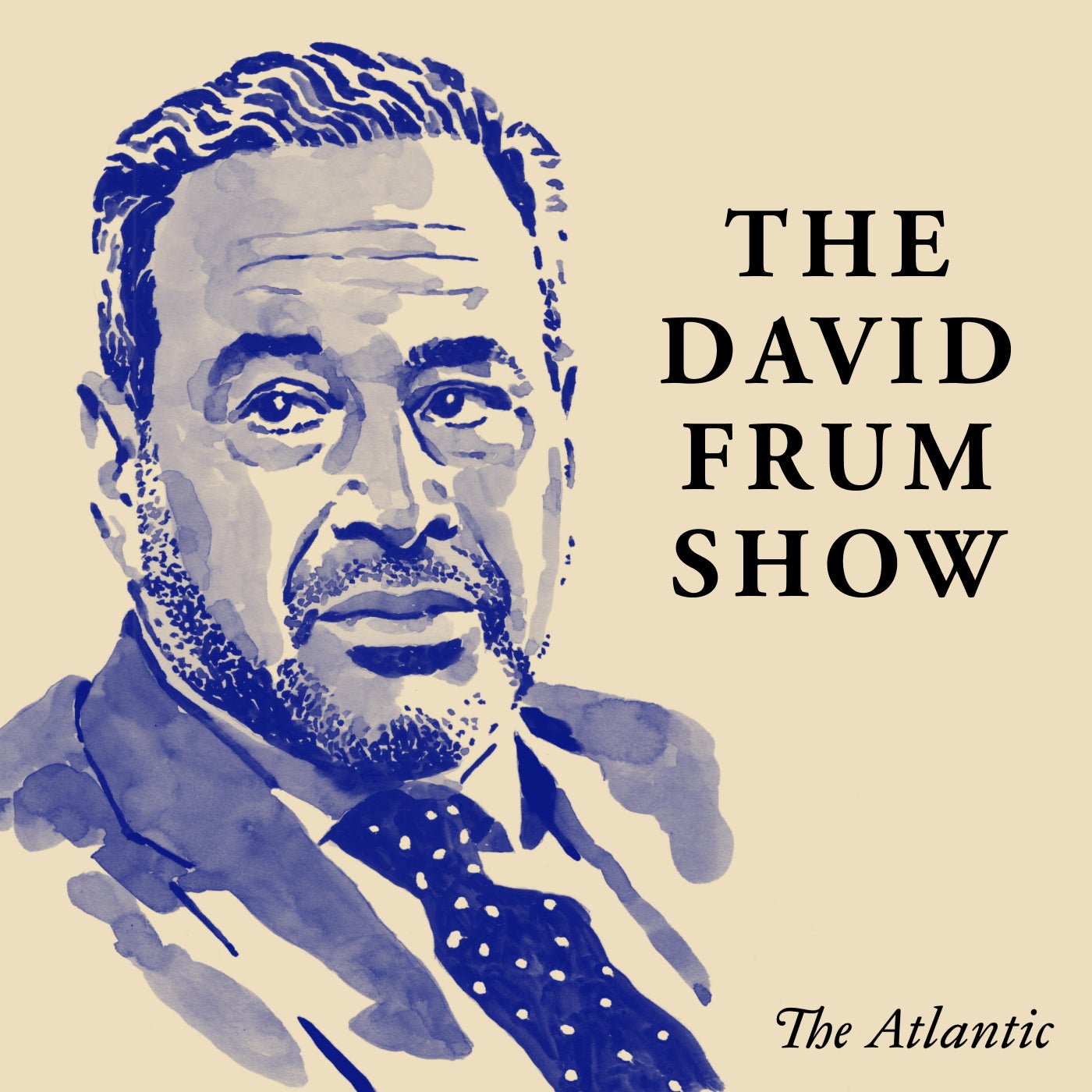
The David Frum Show
The AtlanticAudio
- Format:
- Podcast
- New episodes:
- Several times a week
- Typical length:
- about 30 minutes
- Latest episode:
About this show
To defend democracy, one has to believe in it. To believe in democracy, one has to understand it. Where it came from. How it works. What’s true. What’s not. What others did before you. How it could be better. How to make a difference. Each week, The David Frum Show digs deep into the big questions people have about our society, explains the progress Americans have made together, and reminds us that the American idea is worth defending.
Covers: US politics, American democracy, congress, elections, economy, inflation, housing market, republican party, artificial intelligence, health policy
Show details and episodes come from the publisher's public feed at feeds.megaphone.fm. Last updated . Names, artwork and text belong to their publishers.
Recently on this show
Summary of recent episodes, drawn from the publisher's feed.
The David Frum Show, an Atlantic podcast, examines big questions about American society and why democracy is worth defending. Recent episodes cover how inflation is hurting young homebuyers, the fallout from the 2026 midterms, and the possibility of an AI recession.
Cosmos
Similar in subject
- Conservative Review with Daniel Horowitz
Both cover: economy, housing market, republican party - Today's News with Larry Schweikart
Both cover: republican party, elections, congress - The Political Scene | The New Yorker
Both cover: republican party, congress, artificial intelligence
Similar shows





Explore more
Episodes
Is Anybody Actually Winning Trump’s Iran War?
· 57 min
In this week’s episode of “The David Frum Show,” The Atlantic’s David Frum opens with his reaction to the recent election in Hungary and the defeat of Viktor Orbán. David counters Orbán defenders who claim that this loss proves Orbán was never a threat. Antidemocratic leaders often face institutional constraints, and it was those institutional constraints that compelled Orbán to accept a defeat after years of abuse of power. Then, David is joined by former U.S. Deputy National Security Adviser Matt Pottinger to discuss the current state of President Trump’s war in Iran. David and Pottinger talk about the recent failed negotiations between the two sides in Pakistan, the blockade of the Strait of Hormuz, and what could happen next. They also discuss how the Iran war is viewed in China and how it has been a financial gain for Russia. Finally, David ends the episode with a discussion of “Labyrinths,” by Jorge Luis Borges. Sign up for David Frum’s newsletter (https://www.theatlantic.com/author/david-frum/?follow=true&utm_campaign=frum-yt) alert. Get more from your favorite Atlantic voices when you subscribe. You’ll enjoy unlimited access to Pulitzer-winning journalism, from clear-eyed analysis and insight on breaking news to fascinating explorations of our world. Atlantic subscribers also get access to exclusive subscriber audio in Apple Podcasts. Subscribe today at TheAtlantic.com/Listener (https://theatlantic.com/listener). Learn more about your ad choices. Visit podcastchoices.com/adchoices (https://podcastchoices.com/adchoices)
Not rated yetWhat It Means to Be American
· 1 hr 1 min
In this episode of “The David Frum Show,” The Atlantic’s David Frum opens with his thoughts on the nearly two decades of economic turmoil that has caused younger generations to lose faith in American institutions and led to the rise of populism in the United States. David argues that as the country stands on the precipice of a Donald Trump–manufactured economic crisis, perhaps we will learn to appreciate the basic ideas that led to prosperity in the 1980s and ’90s. Then David is joined by CNN’s Fareed Zakaria to reflect on the American ideals that captivated David and Fareed when they first immigrated to the U.S. and whether they still ring true today. As America celebrates its 250th anniversary, David and Fareed discuss whether this country remains the same one they moved to many years ago and whether America has strayed from its foundational principles. Finally, David concludes the episode with an examination of Italo Calvino’s 1972 novel, “Invisible Cities,” and a discussion about our postliterate society. Get more from your favorite Atlantic voices when you subscribe. You’ll enjoy unlimited access to Pulitzer-winning journalism, from clear-eyed analysis and insight on breaking news to fascinating explorations of our world. Atlantic subscribers also get access to exclusive subscriber audio in Apple Podcasts. Subscribe today at TheAtlantic.com/Listener (https://theatlantic.com/listener). Learn more about your ad choices. Visit podcastchoices.com/adchoices (https://podcastchoices.com/adchoices)
Not rated yetWatching War From the Strait of Hormuz
· 53 min
In this episode of “The David Frum Show,” The Atlantic’s David Frum opens with his thoughts on the strange lack of information about the current war in Iran. He wonders why, despite the publicized tactical success of the United States’ campaign in Iran, the war seems to be progressing in an unfavorable way for the U.S. Then David is joined by his colleague at The Atlantic Graeme Wood to discuss Graeme’s recent reporting from the Persian Gulf. David and Graeme talk about Graeme’s experiences being bombed in Dubai and snorkeling in the Strait of Hormuz. They also discuss what happens next in Iran, Trump’s failure in political messaging on the war, and the state of the global energy market. David concludes with a discussion of Thomas Paine’s “Common Sense,” which was published 250 years ago this year. Sign up for David Frum’s newsletter (https://www.theatlantic.com/author/david-frum/?follow=true&utm_campaign=frum-yt) alert. Get more from your favorite Atlantic voices when you subscribe. You’ll enjoy unlimited access to Pulitzer-winning journalism, from clear-eyed analysis and insight on breaking news to fascinating explorations of our world. Atlantic subscribers also get access to exclusive subscriber audio in Apple Podcasts. Subscribe today at TheAtlantic.com/Listener (https://theatlantic.com/listener). Learn more about your ad choices. Visit podcastchoices.com/adchoices (https://podcastchoices.com/adchoices)
Not rated yetThe Far-Right Algorithm: Anti-Churchill, Anti-West
· 54 min
On this week’s episode of “The David Frum Show,” The Atlantic’s David Frum opens with his thoughts on President Trump’s recent comments that appear to show a desire to back away from his war in Iran. David argues that Trump is comfortable as a “wartime” president as long as the enemy is American Democrats, and then he compares the president’s rhetoric about Iran with his rhetoric about his fellow Americans. Then, David is joined by the historian and journalist Lord Andrew Roberts to discuss why right-wing podcasters seem so fixated on insisting that Winston Churchill was the villain of the Second World War. Frum and Lord Roberts discuss the origins of pseudo-historians and why they appeal so much to the American right. Finally, David ends the episode with a discussion of the novel “Burr,” by Gore Vidal, and the relationship between art and morality. Sign up for David Frum’s newsletter (https://www.theatlantic.com/author/david-frum/?follow=true&utm_campaign=frum-yt) alert. Get more from your favorite Atlantic voices when you subscribe. You’ll enjoy unlimited access to Pulitzer-winning journalism, from clear-eyed analysis and insight on breaking news to fascinating explorations of our world. Atlantic subscribers also get access to exclusive subscriber audio in Apple Podcasts. Subscribe today at TheAtlantic.com/Listener (https://theatlantic.com/listener). Learn more about your ad choices. Visit podcastchoices.com/adchoices (https://podcastchoices.com/adchoices)
Not rated yetWhy Britain Is Saying No to Trump’s Iran War
· 1 hr 7 min
On this week’s episode of “The David Frum Show,” The Atlantic’s David Frum opens with his thoughts on President Trump’s dangerous disregard for Congress’s powers of war-making and peacemaking. David argues that though Republicans have enabled the president’s dark impulses, Democrats in Congress also seem happy to turn a blind eye to the Trump administration’s actions in Iran. This, David argues, jeopardizes the restraints put on the president in a constitutional government. Then, David is joined by Alastair Campbell, a writer and co-host of “The Rest Is Politics,” to discuss how President Trump has poisoned the “special relationship” between the United States and Great Britain. Frum and Campbell analyze how Trump’s impulsive war in Iran has put further strain on the alliance and how Trump’s relationship with Prime Minister Keir Starmer differs from former President George W. Bush’s relationship with former Prime Minister Tony Blair at the outset of the war in Iraq. Finally, David ends the show with a discussion of the German novel “The Director,” by Daniel Kehlmann. David explores how the novel offers a poignant portrayal of moral compromise in Nazi Germany. Sign up for David Frum’s newsletter (https://www.theatlantic.com/author/david-frum/?follow=true&utm_campaign=frum-yt) alert. Get more from your favorite Atlantic voices when you subscribe. You’ll enjoy unlimited access to Pulitzer-winning journalism, from clear-eyed analysis and insight on breaking news to fascinating explorations of our world. Atlantic subscribers also get access to exclusive subscriber audio in Apple Podcasts. Subscribe today at TheAtlantic.com/Listener (https://theatlantic.com/listener). Learn more about your ad choices. Visit podcastchoices.com/adchoices (https://podcastchoices.com/adchoices)
Not rated yetCan Democrats Actually Win in Texas?
· 56 min
On this week’s episode of “The David Frum Show,” The Atlantic’s David Frum opens with his thoughts on Kristi Noem’s removal as head of the Department of Homeland Security. David warns that the chaos at the department, combined with President Trump’s demand that the SAVE Act be passed before he will sign any budget for DHS, could endanger Americans as the U.S. wages war against Iran, the world’s leading state sponsor of terrorism. Then David is joined by former Representative Beto O’Rourke to discuss the hotly contested 2026 Senate primary in Texas between James Talarico and Representative Jasmine Crockett. Frum and O’Rourke discuss what this race means for the future of the Democratic Party, why Texas Democrats always seem to fall short of victory, and the importance of the Texas Senate race for control of the chamber. Finally, David is joined by Samuel Fleischacker, a philosophy professor at the University of Illinois at Chicago, to commemorate the 250th anniversary of Adam Smith’s “The Wealth of Nations” and discuss how Smith would fit in politically today. Get more from your favorite Atlantic voices when you subscribe. You’ll enjoy unlimited access to Pulitzer-winning journalism, from clear-eyed analysis and insight on breaking news to fascinating explorations of our world. Atlantic subscribers also get access to exclusive subscriber audio in Apple Podcasts. Subscribe today at TheAtlantic.com/Listener (https://theatlantic.com/listener). Learn more about your ad choices. Visit podcastchoices.com/adchoices (https://podcastchoices.com/adchoices)
Not rated yetTrump’s War With Iran and a New Danger at Home
· 52 min
On this week’s episode of “The David Frum Show,” The Atlantic’s David Frum discusses the recent shooting in Austin. David warns that the shooting is an example of how Trump could use the threat of terror from Iran to crack down on American freedoms. Then David is joined by The Atlantic’s Tom Nichols to discuss the outbreak of war between the United States and Iran. David and Tom discuss Trump’s motives for launching another regime-change war and assess the competence of the administration to achieve its goals. They discuss the mistakes that were made in Iraq by the Bush administration and how, 23 years later, none of those lessons seems to have been learned. David and Tom wonder if the Trump administration has any plan for an end game in Iran, and discuss how not having one could lead to suffering among the Iranian people and turmoil in the region. Frum and Nichols observe that the United States has embarked on a costly state-building project— but the question of whether the Trump administration realizes that is a different matter. Learn more about your ad choices. Visit podcastchoices.com/adchoices (https://podcastchoices.com/adchoices)
Not rated yetWhen Caring Becomes Counterculture
· 1 hr 0 min
On this week’s episode of “The David Frum Show,” Atlantic staff writer David Frum opens with his take on President Trump’s reaction to a recent Supreme Court defeat on tariffs, arguing that the real issue is not just economics but the president’s drive for unchecked power. Then David is joined by Tim Miller of “The Bulwark” to unpack Tim’s recent trip to Minneapolis and what he saw on the ground amid ongoing ICE enforcement operations in the Twin Cities. They explore why younger Americans find “Resist libs” cringe and how that cynicism has helped fuel Trump’s politics. David and Tim also debate whether Never Trump conservatives are losing the core values that once defined them and whether that evolution is necessary in order to actually take on Trump. Finally, David revisits the history and meaning of the State of the Union address, questioning whether this long-standing ritual needs rethinking in the Trump era. Get more from your favorite Atlantic voices when you subscribe. You’ll enjoy unlimited access to Pulitzer-winning journalism, from clear-eyed analysis and insight on breaking news to fascinating explorations of our world. Atlantic subscribers also get access to exclusive subscriber audio in Apple Podcasts. Subscribe today at TheAtlantic.com/Listener (https://theatlantic.com/listener). Learn more about your ad choices. Visit podcastchoices.com/adchoices (https://podcastchoices.com/adchoices)
Not rated yetWhy We Changed Our Minds About Politics
· 55 min
On this week’s episode of “The David Frum Show,” David opens with a warning about President Trump’s escalating efforts to bend American institutions to his will. David explains how episodes including the Justice Department’s attempted prosecution of members of Congress, the political pressure on the Federal Reserve, and the campaign-style appeals delivered at Fort Bragg represent a systematic attempt to erode the guardrails of American democracy. Then, David is joined by Mona Charen, a contributor at “The Bulwark” and longtime conservative commentator. Together, they reflect on their shared political evolution—from their early days as Reagan-era conservatives to their break with today’s Republican Party. They discuss what they believe they got right and what they got wrong, how Trump transformed the conservative movement, and why the version of conservatism they once believed in may be gone. Finally, David discusses “My Early Beliefs,” the 1938 essay by John Maynard Keynes, and explores what Keynes’s reflections on changing one’s mind can teach us about political growth. Get more from your favorite Atlantic voices when you subscribe. You’ll enjoy unlimited access to Pulitzer-winning journalism, from clear-eyed analysis and insight on breaking news to fascinating explorations of our world. Atlantic subscribers also get access to exclusive subscriber audio in Apple Podcasts. Subscribe today at TheAtlantic.com/Listener (https://theatlantic.com/listener). Learn more about your ad choices. Visit podcastchoices.com/adchoices (https://podcastchoices.com/adchoices)
Not rated yetHow Trump Could Break the 2026 Elections
· 59 min
On this week’s episode of “The David Frum Show,” David opens with his reaction to the racist AI video of Barack and Michelle Obama that was posted and quickly deleted by President Trump’s Truth Social account. He argues that when the president engages in this behavior, it undermines his administration’s other actions that resemble those of a normal presidency. David is then joined by Stephen Richer, a former Republican county recorder of Maricopa County. They discuss Stephen’s experience navigating Trump’s 2020 election denial, standing up to pressure from the president, and confronting election denialism within his own party. They also examine the Trump administration’s current activities in Georgia and how they could set the stage for more election denialism in 2026. Finally, David reflects on Edward Gibbon’s “The History of the Decline and Fall of the Roman Empire” as the series marks its 250th anniversary. Though the monumental work remains essential to understanding the fall of Rome, David explores how Gibbon’s moralizing of history can lead modern readers to dangerous conclusions. Get more from your favorite Atlantic voices when you subscribe. You’ll enjoy unlimited access to Pulitzer-winning journalism, from clear-eyed analysis and insight on breaking news to fascinating explorations of our world. Atlantic subscribers also get access to exclusive subscriber audio in Apple Podcasts. Subscribe today at TheAtlantic.com/Listener (https://theatlantic.com/listener). Learn more about your ad choices. Visit podcastchoices.com/adchoices (https://podcastchoices.com/adchoices)
Not rated yet