

How did we turn silver into selfies? | How Photography Became Easy
From Science Museum · · 58 min
The player loads from YouTube only when you click. It uses YouTube's privacy-enhanced mode.
If the video does not play, the owner may have turned off embedding. Watch it on YouTube instead.
Description
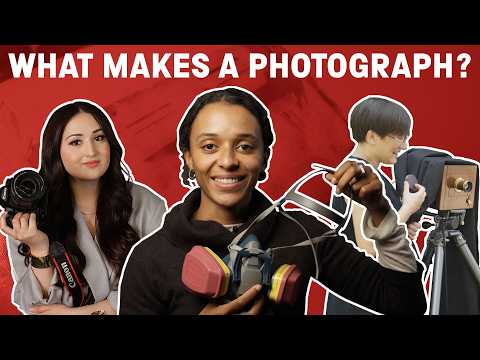
How did photography become an easy-to-use everyday practice?
Starting with dangerous developing methods using mercury in the 1800s, it's hard to imagine how photography technology has become so easy over the past 200 years. By looking at the practices of six different photographers with six unique photographic processes—Daguerreotype, Calotype, Wet Plate Collodion/Ferrotype/Tintype, Roll Film Photography, Instant Photography and Digital Photography—we can journey through history to see how photography became accessible. Thanks to the six photographers in this film, we can learn the science behind how photography tools and processes became accessible.
Read more about these photographer's work in our online story: https://www.scienceandmediamuseum.org.uk/objects-and-stories/why-dont-photographers-just-use-digital-cameras
Credits: Joaquin Paredes Piris - Photographer, specialized in historical processes (Analog Inside) Jo Gane - Artist Tia Bannon - Writer, Actor, Photographer Timi Akindele-Ajani - Filmmaker and Photographer Edoardo Capello - Film Lab Technician (Moderne Lab) Kai Kwasi - Interdisciplinary Artist Shahfaq Shahbaz - Commercial and Fashion Photographer
Chapters Intro: 0:00 Daguerreotype: 1:27 Calotype: 11:09 Ferrotype/Wet Plate Collodion: 17:14 Roll Film: 26:00 Instant Film: 41:27 Digital Photography: 48:17 Conclusion: 56:50