

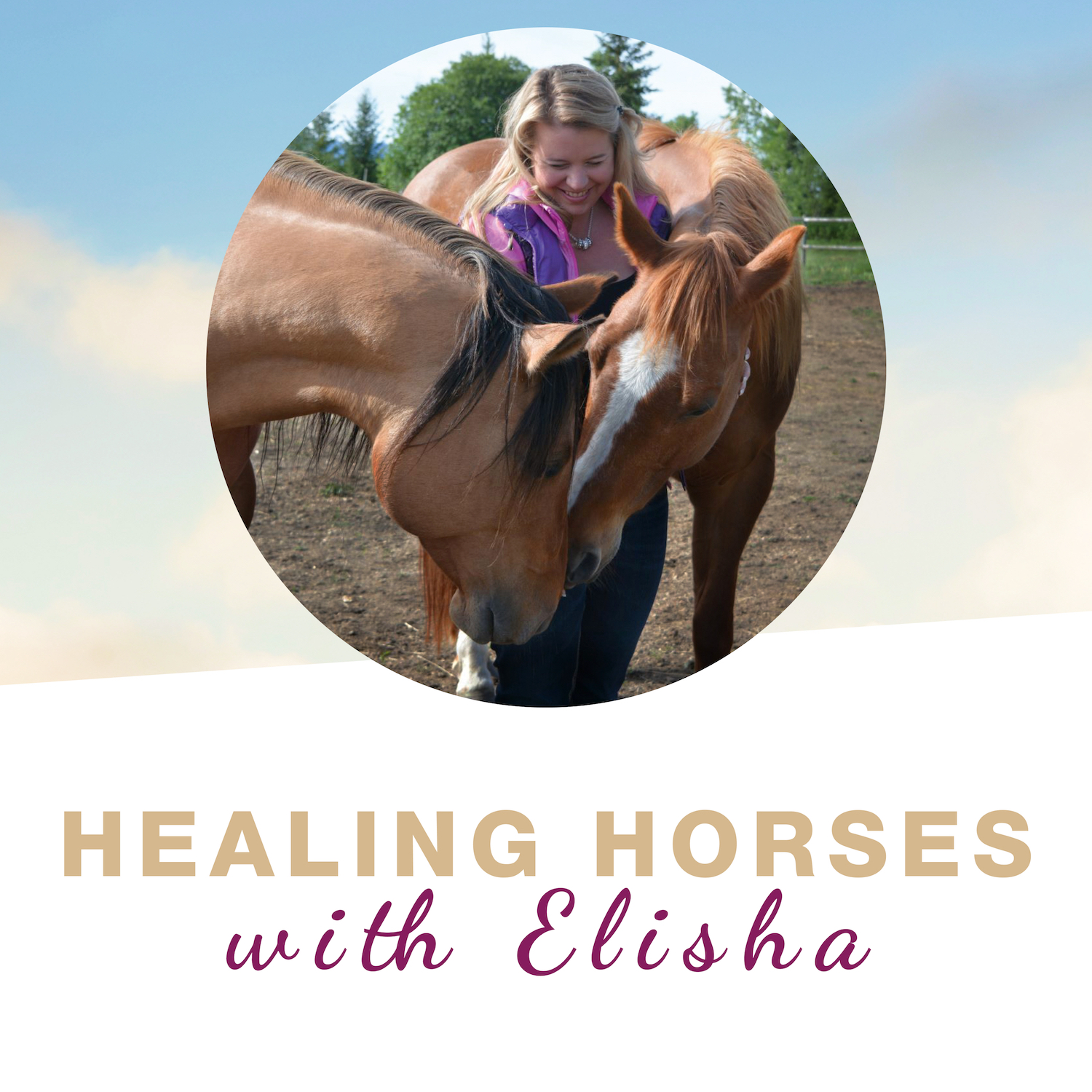
Healing Horses with Elisha
Elisha EdwardsAudio
- Format:
- Podcast
- New episodes:
- Weekly
- Typical length:
- about 30 minutes
- Latest episode:
About this show
A unique podcast solely dedicated to the natural horse. The information covered in each episode is based on thousands of success cases using natural health care, practical wisdom, and science. Learn what horses need to live their best lives – body, mind, and spirit – and how diet, nutritional therapy, natural remedies, and holistic horse-keeping can work for your horse on all levels. Listen in to equip yourself with the knowledge you need to make informed decisions for your horse’s health with less stress, overwhelm, and confusion.
Covers: horse care, equine health, natural remedies, horse nutrition, metabolic horses, equine metabolic syndrome, parasite control, horse supplements
Show details and episodes come from the publisher's public feed at feeds.captivate.fm. Last updated . Names, artwork and text belong to their publishers.
Recently on this show
Summary of recent episodes, drawn from the publisher's feed.
This podcast covers natural health care for horses, including diet, nutritional therapy, and holistic horse-keeping, with a focus on body, mind and spirit. Recent episodes explore parasites and worm egg counts, winter metabolic care, liver strain, thyroid function, and fall setbacks in horses with metabolic issues.
Cosmos
Rated alike
- Looking Glass Universe
Often rated the same way. - NASA
Often rated the same way. - NileRed
Often rated the same way.
Similar in subject
- Equine Energy Medicine
Both cover: equine metabolic syndrome, horse care - Scoop & Scale: An Equine Podcast (Mostly) About Nutrition
Both cover: equine health, horse care - Culture Apothecary with Alex Clark
Both cover: natural remedies
Similar shows






Explore more
Episodes
75: 3-Step Action Plan for Sugar-induced Laminitis
· 19 min
Today, we are tackling the topic of laminitis and exploring those early-stage situations where your horse begins to show signs of soreness and tenderness. What we focus on today does not include the more mechanical cases of founder laminitis but rather horses that tend to become sugar-sensitive as the grass begins to turn green in spring. Recognizing Sugar Sensitivity in Horses Some horses become sore or tender as soon as lush spring grass appears. It is often due to sugar sensitivity, and these horses may also be insulin resistant. Insulin resistance can present as swelling in the eyes, sheath, udders, lower limbs, or a general puffiness in the body. It is not always related to obvious hoof problems but often reflects a broader systemic reaction to dietary sugar. Real-Life Example At the facility I manage, several horses broke into a lush pasture and soon showed signs of swelling and tenderness despite us urging them to move. Even horses that were not usually at risk began showing symptoms. That highlighted just how quickly sugar overload can tip the balance and why it is crucial to act early. Step 1: Reduce Sugars The first step in managing sugar-induced laminitis is reducing sugar intake, especially from grass. Some horses can tolerate limited pasture, while others may not. Create dry lots, use fencing or panels to limit access, and have your hay sugar levels analyzed. Watch out for feeds containing molasses, vegetable oils, preservatives, and other additives that may spike insulin and cause inflammation. Step 2: Encourage Movement Exercise is critical. Even when a horse is sore, movement helps lower insulin, burn sugar, and reduce inflammation. It can be as simple as walking, ponying, or hand-jogging. Any movement counts, even 20 extra minutes a few times a week. For horses not currently ridden, gentle groundwork or hand-walking is enough to make a meaningful difference. Step 3: Add Supportive Footwear When Needed Hoof boots with padding can help to relieve pain and make movement possible for horses in extreme pain. Movement is essential for healing, so boots are a helpful short-term solution to get your horse comfortable enough to walk. Creative options, like diapers or duct tape, can also work until you find a better solution. When It Is More Than Just Sugar If you have reduced sugar and increased movement, and your horse is still inflamed or tender, you may be dealing with more than just dietary sugar overload. Persistent fat pads, a crested neck, and excessive thirst and urination can point to deeper insulin resistance. Every Horse is Unique Horses respond differently to diet and management. While some thrive on pasture combined with regular movement, others may continue to struggle, even when their sugar intake gets reduced and they exercise enough. Factors like breed, history, and individual constitution can influence their response. If you are following best practices but not seeing progress, you may need to explore deeper metabolic factors and consider targeted nutritional and organ support. Final Thought The sooner you become aware of early signs of sugar sensitivity and act on them, the better. Reducing sugar, increasing exercise, and providing hoof support when needed can make all the difference. If those measures are not enough, there is still hope, as most horses can regain their balance and comfort with the appropriate nutritional and metabolic support. Links and resources: Connect with Elisha Edwards on her website (https://elishaedwards.com/) Join my email list (https://elishaedwards.com/main-list-opt-in/) to be notified about new podcast releases and upcoming webinars. Free Webinar Masterclass: Four Steps to Solving Equine Metabolic Syndrome Naturally (https://event.webinarjam.com/register/23/k3zmqiw) Register for my self-paced course, Resolving Equine Metabolic Syndrome Naturally (https://elishaedwards.thrivecart.com/resolving-equine-metabolic-syndrome/).
Not rated yet74: Chamomile for Horses: Common Uses and Health Benefits
· 19 min
The symptoms most horses experience from digestive issues and anxiety tend to cause them lots of discomfort. Fortunately, there is a wonderful plant horse owners can use to manage those conditions. Chamomile is a versatile herb with a wide range of uses for horses. It has a calming energy and a pleasant smell, and horses love it! The Link Between Digestion and Anxiety There is a close connection between digestion and anxiety in horses. Stressful events like separation or fear can trigger digestive issues such as colic or ulcers. Those two systems work in a cycle. So, when one is out of balance, the other often follows. Supporting both systems is the key to breaking that loop. A Holistic Strategy To help a horse heal, the owner must identify whether stress or digestion is the primary issue. Sometimes, calming the nervous system allows the gut to recover, while, in other cases, improving digestion eases emotional strain. Reducing stress even slightly can usually create enough momentum for healing. Chamomile Chamomile (Matricaria chamomilla) is a well-known traditional herb with a long history of medicinal use. It has yellow-centered white flowers that are easy to recognize. Chamomile contains beneficial compounds like calcium, magnesium, and flavonoids. Those minerals support the nervous system and reduce muscle tension, which is why chamomile is known for its relaxing and soothing properties. Whole Herbs Work Best Chamomile benefits digestion, the nervous system, muscles, immunity, and skin in horses. Its strength lies in its synergy. Due to the interaction of many compounds within it, chamomile provides a broad range of health benefits. Isolating a single ingredient can often reduce its effectiveness and cause side effects, which is why whole herbs are preferable. Targeted Uses Chamomile is soothing to the gut and the nervous system and can help reduce inflammation, support immune function, and provide antibacterial effects. Horses with chronic digestive tension or stress often benefit greatly from this herb. Chamomile is especially useful for: - Digestive upsets, including colic and cramps - Muscle tightness and spasms - Nervous tension and anxiety Flavonoids Chamomile is rich in flavonoids, which are antioxidants. Its compounds regulate cell function and boost immunity. A 2022 PubMed study identified 50 different flavonoids in chamomile, including quercetin. Chamomile also has antibacterial, anti-inflammatory, and potential anti-cancer properties. Practical Use and Dosage Cut and sifted chamomile is ideal for horses, as it stays close to its natural form and has a good shelf life. A typical starting dose is one tablespoon, with the option to increase to two. Most horses enjoy chamomile, and its gentle nature makes it easy to introduce. Chamomile can be used short-term for specific issues or longer-term (three months) for chronic imbalances. Chamomile for Variety Chamomile is a gentle herb that does not have a strong taste. So, even horses without anxiety or digestive issues enjoy chamomile added to their diet for variety. Homeopathic Chamomile (Chamomilla) Chamomile is also available in a homeopathic form, Chamomilla. That remedy often gets used for digestive upsets, nervous tension, and teething-related discomfort. It can be helpful for horses that are easily overwhelmed, hard to soothe, or showing signs of intense emotional distress that is difficult to calm. Final Thoughts Chamomile is a powerful, multi-functional herb. It supports the nervous system, digestion, and musculoskeletal system. Whether used to address chronic conditions or balance the system, it is a safe, soothing option worth trying. Links and resources: Connect with Elisha Edwards on her website (https://elishaedwards.com/) Join my email list (https://elishaedwards.com/main-list-opt-in/) to be notified about new podcast releases and upcoming webinars. Free Webinar Masterclass: Four Steps to Solving Equine Metabolic Syndrome…
Not rated yet73: Would your horse like a salad on the menu?
· 21 min
This week, our focus returns to the equine diet. Whether you are supporting overall health or addressing a particular issue in a horse, it always starts with their food. That often means identifying and removing dietary intolerances or introducing an anti-inflammatory or alkaline diet. Since each horse has a unique constitution, their diets must be individualized to support their specific sensitivities. Fresh Fruits and Vegetables for Horses Offer a variety of fresh produce like melons, shredded beets, cucumbers, watermelon rind, apples, blueberries, and carrots. Chop them into small pieces for easy eating, and avoid feeding large amounts of stringy celery to horses with dental issues or a history of choking. Using Cauliflower and Other Veggies Many horses enjoy nibbling on cauliflower occasionally. However, you should only feed it in small amounts since large quantities can cause gas. Always observe how your horse reacts to new foods and adjust accordingly. Incorporating Herbs Add herbs (chamomile, mint, raspberry leaf, chickweed, plantain, and milk thistle) to salads or treats. Herbs provide added health benefits, especially raspberry leaf for mares and other reproductive support. Let your horse explore different herbs to see what they prefer. Preparing and Serving Salads Make fresh horse salads once or twice a week, using any available clean or organic produce. If using non-organic items, wash them thoroughly. For picky eaters, introduce one ingredient at a time or mix new foods into their regular mash to help them adjust. Enrichment Through Foraging Scatter chopped fruits, veggies, and herbs around the pasture to encourage natural foraging and gentle exercise. This “Easter egg hunt” approach is stimulating and rewarding for your horse. Enhancing Flavor Some horses enjoy a splash of apple cider vinegar or a little olive oil as a salad dressing. Experiment with small amounts to find what your horse likes best. Benefits of Fresh Salads for Horses Feeding horses fresh salads regularly promotes better overall health, shinier coats, improved hoof condition, reduced inflammation, and more contentment. Fresh, live nutrients support the cells and tissues naturally. Moderation and Variety Are Key Avoid feeding too much of any single ingredient. Provide a varied mix to allow your horse to enjoy different flavors and nutrients without overindulging in one thing, and always pay attention to its preferences and sensitivities. Tips for Horses with Specific Conditions Avoid or chop stringy vegetables like celery finely for horses with dental problems or a history of choking. Salads and fresh foods can be particularly helpful for horses managing metabolic issues (EMS) by providing live nutrients without excess sugars or fats. Introducing fresh produce gradually and mixing it with regular feed helps sensitive horses adapt. Feeding a variety of herbs and fresh foods can support inflammation reduction, hoof health, and hormone balance, especially for mares. Always observe how your horse tolerates new foods and adjust accordingly. Links and resources: Connect with Elisha Edwards on her website (https://elishaedwards.com/) Join my email list (https://elishaedwards.com/main-list-opt-in/) to be notified about new podcast releases and upcoming webinars. Free Webinar Masterclass: Four Steps to Solving Equine Metabolic Syndrome Naturally (https://event.webinarjam.com/register/23/k3zmqiw) Register for my self-paced course, Resolving Equine Metabolic Syndrome Naturally (https://elishaedwards.thrivecart.com/resolving-equine-metabolic-syndrome/).
Not rated yet72: 5 Ways to Keep Your Horses, Ponies, and Minis Moving this Spring
· 18 min
June has arrived, and everything is turning green again. With no more mud and ice around, it becomes much easier for horse owners living in wet and snowy areas to get their horses moving as they should once more. This week, I share some tips to get your horse moving in spring, which is particularly important if your horse is on grass, with few other options. Movement Matters Spring and summer grasses are rich in sugars, which can be risky for horses with metabolic issues like insulin resistance or laminitis. Supplements may help manage those conditions, but regular physical activity is essential for maintaining their metabolic balance and general health. Small Steps Small, regular efforts are more effective for horses than occasional intense workouts. Just 15 minutes of walking a few times a week can help to improve circulation, metabolism, muscle tone, detox pathways, and mood in horses. Encouraging Natural Movement Some horses are naturally less active when hay is readily available. You can encourage more movement by spreading their hay stations out, placing food and water at opposite ends of a paddock, or using slopes and snow to make horses do a little work for their meals, even in winter. Engaging the Body and Mind Scavenger hunts for alfalfa pellets or small pieces of carrot or cucumber will encourage your horse to move and provide mental stimulation without overfeeding. If your horse is not getting ridden, consider groundwork or short walks to boost circulation and muscle use. Use hoof boots for extra comfort if needed, and increase exercise gradually as your horse improves. Make It Work for Both of You Combine exercising your horse with your fitness goals. If your goal is 10,000 steps a day, you can spend some time walking your horse around the pasture or driveway. For minis or horses that cannot be ridden, ponying or trotting them alongside another horse or a slow-moving vehicle can be an effective alternative. Prioritize and Plan Movement Make scheduled movement a priority for your horse. Aim for 2–3 sessions of 15-30 minutes per week. Over time, even brief, consistent activity will offer meaningful improvements. Supplements can support equine health, but movement is still a non-negotiable for managing sugar levels in horses, building their strength, and maintaining their long-term well-being. Links and resources: Connect with Elisha Edwards on her website (https://elishaedwards.com/) Join my email list (https://elishaedwards.com/main-list-opt-in/) to be notified about new podcast releases and upcoming webinars. Free Webinar Masterclass: Four Steps to Solving Equine Metabolic Syndrome Naturally (https://event.webinarjam.com/register/23/k3zmqiw) Register for my self-paced course, Resolving Equine Metabolic Syndrome Naturally (https://elishaedwards.thrivecart.com/resolving-equine-metabolic-syndrome/).
Not rated yet71: Equine Sarcoids: The Holistic Approach
· 23 min
This week, we are taking a closer look at equine sarcoids. Equine sarcoids are a common issue that can be concerning for horse owners. These skin growths are neither serious nor life-threatening, but they can be unsightly and sometimes tricky to manage. They tend to vary in appearance and location, and in some cases, can go unnoticed until they become more visibly pronounced. What Are Equine Sarcoids? Sarcoids are skin tumors that account for 36 to 40% of equine tumors. They can be flat, raised, crusty, weepy, or ulcerated, and can grow and spread at different rates. There are two main types: dry sarcoids and ulcerated (weepy and inflamed) sarcoids. They are generally benign and don’t spread to internal organs, but they can cause serious problems if they obstruct bodily functions like urination or defecation. Conventional vs. Holistic Approaches With traditional veterinary treatments, which include cutting, freezing, or surgically removing sarcoids, recurrence is common. Holistic practitioners aim to understand why the sarcoids appeared in the first place. Removing growths will not solve the internal imbalance that allowed them to develop. Potential Causes and Triggers Sarcoids, which may originate from the bovine papillomavirus, behave like viruses, flaring up with stress, toxicity, and nutritional deficiencies. Horses with compromised immune systems due to anxiety, malnutrition, or chronic stress are more prone to developing sarcoids. Events like moving farms, losing a herd mate, accidents, poor-quality hay, or vaccines can act as triggers. Chemical Toxicity and Vaccines Sarcoids could result from exposure to chemicals. Sprays on hay, some feeds, and vaccines can attack horses’ immune systems. When their immune system is under strain, dormant viruses can activate, allowing sarcoids to spread rapidly. Sarcoids often tend to appear soon after vaccinations, especially in compromised horses. Skin as an Elimination Organ The skin acts as a pathway for the body to release toxins and reflect internal imbalances. When sarcoids appear on the skin, they are often signs of an internal issue. Malabsorption and Nutritional Gaps A horse may seem to be getting good nutrition, yet still be malnourished if it does not absorb nutrients properly. Ulcers or chronic nervous system stress can interfere with their nutrient uptake and contribute to a weakened immune system. Environmental and Age Factors At around 15, horses often start showing signs of conditions that have been building silently for years. Chronic stress, aging, and accumulated exposure to harmful substances can contribute to immune dysfunction and tumor development. The Role of Detoxification and the Liver The liver detoxifies chemicals, medications, and environmental toxins. If it is overburdened, the immune system suffers. Many horses show signs of liver strain if they have been on long-term medication or exposed to repeated vaccinations and chemical-laden feeds. Immune System and Pathogen Load Chronic issues like thrush, scratches, or recurrent parasite infections indicate a compromised immune system. Parasites, bacteria, viruses, mold, and fungi often coexist, increasing the toxic load and making it harder for horses to maintain internal balance. Using Nutritional Therapy Nutritional therapy is a preferred holistic strategy. It involves using single nutrients in specific doses to clean up toxicity, correct imbalances, and support immune health. Antioxidants like selenium and vitamin C can help to detoxify chemicals and support liver function. Links and resources: Connect with Elisha Edwards on her website (https://elishaedwards.com/) Join my email list (https://elishaedwards.com/main-list-opt-in/) to be notified about new podcast releases and upcoming webinars. Free Webinar Masterclass: Four Steps to Solving Equine Metabolic Syndrome Naturally (https://event.webinarjam.com/register/23/k3zmqiw) Register for my self-paced course, Resolving Equine…
Not rated yet70: Antioxidants to Consider for Horses with Poor Eye Health
· 22 min
This week, we continue where we left off last week, exploring equine eye conditions through a holistic lens. A holistic approach focuses primarily on optimizing the diet and lifestyle of horses, providing everything they need to support their overall health and maintain healthy eyes. Long-Term Health Issues Often Begin with Deficiencies Chronic deficiencies, prolonged stress, and toxin exposure are often the root causes of long-term health issues in horses. Those problems develop slowly, sometimes taking years to show symptoms. Even though genetics may be an underlying factor, nutrition is crucial in determining health outcomes. Protecting the Eyes of Prey Animals Eyesight is critical for horses to feel safe. Vision loss increases their anxiety and vulnerability. Keeping blind or visually impaired horses calm, secure, and well-supported within a herd can help to reduce their stress and improve their quality of life. Antioxidants Play a Crucial Role in Prevention Antioxidants help reduce oxidative stress, support immune function and detox systems, and protect the sensitive eye tissues. Even without eye symptoms, improved nutrition supports clearer and healthier eyes. A targeted supplement plan should always match the specific needs of each horse. Selenium: An Underrated Powerhouse Selenium deficiency is common in horses, affecting their coat, muscles, metabolism, and more. Selenium indirectly supports the eyes by boosting antioxidant defenses, especially when paired with vitamin E. While it is not an eye-specific nutrient, selenium does contribute to overall equine resilience. Vitamin E is Essential and Often Deficient Vitamin E is often lacking in hay-fed horses. Vitamin E protects the tissues from oxidative damage and plays a key role in eye health and detox support. High doses may be required to correct deficiencies in horses, especially for performance or aging horses. The Right Dosage and Timing Matter Too many antioxidants at once can overwhelm the body. Start with one or two at low doses and monitor progress over several weeks. Horses with autoimmune issues, like uveitis, need especially careful and gradual supplementation. Zinc: The Surprise Ally for Eye Health Zinc supports metabolism, thyroid function, liver health, and immunity. It also helps with weepy eyes and visual clarity, likely due to its high concentration in ocular tissue and role in processing light. Zinc works well with vitamin A to support vision. Be Cautious and Responsive with Zinc Not all horses need zinc. Try using low doses of about 150 mg elemental zinc in an organic form and observe. If there is no visible improvement within 6–8 weeks, zinc might not be the right solution. Beta Carotene: A Natural Source of Eye Support Beta carotene, found in fresh forage and colorful foods like carrots, supports vision and immune health. It converts to vitamin A, which helps with light processing. Forage-based diets naturally provide more beta carotene than hay. Support Through Food Whenever Possible Whole foods and high-quality forage offer the best long-term nutritional support. While supplements are valuable, a varied, nutrient-dense diet reduces dependence on pills and powders and supports holistic, sustainable health. Links and resources: Connect with Elisha Edwards on her website (https://elishaedwards.com/) Join my email list (https://elishaedwards.com/main-list-opt-in/) to be notified about new podcast releases and upcoming webinars. Free Webinar Masterclass: Four Steps to Solving Equine Metabolic Syndrome Naturally (https://event.webinarjam.com/register/23/k3zmqiw)
Not rated yet69: Conditions of the Equine Eye from a Holistic Perspective
· 26 min
This week, we are focusing on eye health in horses. Eye conditions consistently rank among the most common and concerning issues reported by horse owners. With vision being such a crucial aspect of the well-being and safety of horses, owners must gain a holistic understanding of equine eye conditions and learn how to manage them responsibly and effectively. Why Eye Issues Matter Eye problems in horses are often a clue pointing to deeper health issues. Symptoms like weepy eyes, swelling, or more serious conditions like uveitis and conjunctivitis sometimes show up alongside other imbalances in the horse’s health. Holistically speaking, the eyes can give us clues about what is happening inside the body. So when a horse has an eye problem, it is often part of a bigger picture. Looking Beyond the Eyes Treating the eyes with drops or targeted supplements often fails because the root cause is unresolved. Look at the whole horse instead of isolating the eye as the only problem, as chronic eye issues can be a sign of inflammation elsewhere, and are often linked to conditions like insulin resistance, metabolic syndrome, or a weak immune system. Addressing those imbalances can result in unexpected improvements in eye health. The Limitations of a Symptom-Focused Approach The eyes are generally the most visible part of a broader inflammatory picture. Holistic care means reducing inflammation and supporting overall health rather than treating isolated symptoms. The Importance of Vision in Horses Compromised eye health in a horse can increase its vulnerability within its environment and affect its ability to function within the herd. Horses have 350-degree vision, with only small blind spots directly in front and behind them. Their eyes are set in a position to protect them by detecting threats, making vision a key component of their survival. Prey vs Predator Vision As prey animals, horses have eyes on the sides of their heads, while humans, as predators, have forward-facing eyes. That difference creates a natural tension in our relationship with horses. When we acknowledge that, we can modify our behavior to become less threatening and build trust. Color and Light Sensitivity Horses see blue and green more distinctly than red, and respond more to the vibrational energy of colors than to the specific shades. Their night vision is excellent, but they need more time to adjust between light and dark areas. So it is essential to be patient and mindful during those transitions. Emotional and Environmental Triggers Much like laminitic horses can experience flare-ups during periods of stress, horses with eye vulnerabilities may develop eye inflammation in response to vaccinations, dietary changes, environmental shifts, or emotional stressors. These episodes are not random. They reveal underlying weaknesses that require attention. The Liver-Eye Connection There is a link between liver health and eye conditions. Detoxification and liver support are essential when treating recurring eye issues. Improving liver and gut health can lead to clearer eyes, better digestion, fewer foot issues, and stronger immunity. Individual Sensitivities and Triggers Pay attention to what sets off flare-ups in your horse. It could be seasonal grass, certain types of hay, or even temperature changes. Those patterns can reveal underlying sensitivities and guide you toward more targeted support. Consistency and Commitment Managing chronic or recurring eye issues requires consistent care and a committed health program. Rather than reacting to the eye symptoms alone, proactive support of the overall health is the key to preventing flare-ups and supporting their recovery. Links and resources: Connect with Elisha Edwards on her website (https://elishaedwards.com/) Join my email list (https://elishaedwards.com/main-list-opt-in/) to be notified about new podcast releases and upcoming webinars. Free Webinar Masterclass: Four Steps to Solving Equine…
Not rated yet68: The Dos and Don'ts of Soaking Hay for Your Horse
· 18 min
This week, we are following up on our last discussion about sourcing the right hay for your horse by focusing on the practice of soaking hay. Soaking hay is a common strategy for reducing sugar levels for sugar-sensitive horses. This practice is helpful for horses with insulin resistance, acute laminitis, or high-insulin PSSM. Join us to learn how to soak hay to improve your horse's health and ensure longevity while avoiding the associated risks. When and Why to Soak Hay Soaking hay can be helpful, but it should only be done when necessary, in cases of acute laminitis, severe insulin resistance, or PSSM, where high sugar levels in hay contribute to the problem. Soaking is not something you want to rely on long-term or use just in case. You must always consider whether it is doing more good than harm and use it as a short-term tool when you do not have a better option. Keep It Temporary If you need to soak hay, do it for a limited time, perhaps two weeks. If sugar is the issue, you will typically see changes in your horse within 24 to 48 hours. If nothing improves after soaking the hay for several weeks, the problem may not be sugar-related. If you continue to soak at that point, it could deplete essential nutrients. Be Aware of Nutrient Loss Remember that soaking does not only remove sugars. It also pulls out vital minerals and amino acids. Since hay is less nutritious than fresh forage, soaking can make it even more deficient. For horses with metabolic conditions, PPID, or PSSM, the loss of nutrition could cause a slow and steady decline in their overall health. Think Beyond Sugar Sugar is only part of the story. Inflammation, poor hoof balance, and limited movement can also drive high insulin and hoof pain. If insulin remains elevated and symptoms persist, chronic inflammation could be the cause, not sugar. Always step back and assess the whole horse. Use Soaking Strategically Limiting your hay soaking to 15–20 minutes is usually enough to reduce sugar without removing too many essential nutrients. Soaking is ineffective for lowering protein and should not be used to manage dust- a quick spray with water works better. Avoid long-term soaking, as it can do more harm than good by further depleting an already nutrient-poor feed. Have a Plan If you are soaking hay, take the opportunity to put a longer-term plan in place to support the metabolic health of your horse. It might involve switching to hay with a lower sugar content, adding essential nutrients, reviewing your trim schedule, and encouraging more movement. The goal is to rebuild resilience rather than relying on an ongoing restriction. Links and resources: Connect with Elisha Edwards on her website (https://elishaedwards.com/) Join my email list (https://elishaedwards.com/main-list-opt-in/) to be notified about new podcast releases and upcoming webinars. Free Webinar Masterclass: Four Steps to Solving Equine Metabolic Syndrome Naturally (https://event.webinarjam.com/register/23/k3zmqiw) Register for my self-paced course, Resolving Equine Metabolic Syndrome Naturally (https://elishaedwards.thrivecart.com/resolving-equine-metabolic-syndrome/).
Not rated yet67: How to Source Hay That's Right for Your Horse
· 23 min
Today, we tackle hay, an essential yet often overlooked component of an equine diet. Hay provides most of the calories and nutrition horses need, especially in colder climates. However, it is not always the first place we look when issues arise. Since hay is dried grass with less nutritional value than natural forage, it is not a perfect food, yet it is what most horse owners must rely on. The quality of the hay, the treatments it has undergone, and how it affects your horse are critical factors to consider. That is why it is best to start with a hay analysis to ensure the foundation of their diet supports the health of your horse rather than adding to any hidden problems. What I Focus On First When analyzing hay, I always start with the macros- the protein, sugar, and fiber levels, as those are crucial for every health condition I have worked with. It is essential to monitor sugar and protein levels. High protein can be as problematic as high sugar. Perfect hay does not exist, so we must balance things wherever possible. Sugar Sensitivity and Hay Analysis A hay analysis is always essential for sugar-sensitive (prone to laminitis, high insulin, etc.) horses. Removing sugar from their diet is crucial for their recovery, as even on the best metabolic programs, high-sugar hay can completely derail their progress. Fiber and Coarseness: Matching Hay to Your Horse With coarser hay, horses need to eat more to get enough nutrition, which can be a struggle for some. The fiber in coarser hay is often higher than the recommended level, and although that is generally acceptable, it could impact hard keepers. Coarse hay is better suited for easy keepers, but be cautious if it causes digestive issues. Focus on Your Most Unwell Horse When you have a group with mixed needs, prioritize the horse that needs the most help. Pick your hay based on what that horse requires first, as the healthier horses usually find it easier to adapt. This approach will save you time and money and offer better horse health in the long run. Glyphosate and Fertilizers I always consider chemical sprays like glyphosate, as it is very toxic and damages the microbiome, which is crucial for immune and digestive health. Older horses and those with compromised livers often struggle with cumulative chemical exposure over their lives. Fertilizers can also trigger health issues like fecal water, especially in aging horses. Balancing Risks and Benefits Sometimes, you may have to choose between low-sugar hay treated with chemicals or untreated hay with higher sugar. You have to prioritize based on the condition of your horse. In many cases, low sugar must win if the horse is at serious metabolic risk. Palatability Palatability matters. Some horses refuse to eat coarse, low-sugar hay simply because it is not what they are used to. Others dislike the taste of certain grasses or chemical residues. You can try mixing different types of hay to help them adjust, but watch out for dust, especially if you have horses with respiratory problems. Minerals Although many nutritionists focus on balancing minerals to match hay, I do not worry too much about it. I prefer adjusting nutrition to the individual needs of each horse, using high-quality, bioavailable nutrients without any chemical additives. Grass Types Some horses have intolerances to specific grass types, and if nothing else explains their poor health, consider a grass type change. Common ones I see include Timothy, Teff, Orchard, and Brome. Canary Grass and Fescue are types I usually tend to avoid. If it is Not Working, Change it If your horse's health does not improve despite your best efforts, do not be afraid to try different hay. Sometimes, switching the hay can make all the difference, even when the numbers seem perfectly fine on paper. Links and resources: Connect with Elisha Edwards on her website (https://elishaedwards.com/) Join my email list (https://elishaedwards.com/main-list-opt-in/) to be…
Not rated yet66: Worried about putting your horse on grass? Here are Some Tips for Prevention for More Sugar-Sensitive Horses
· 18 min
As spring approaches, many horse owners become concerned about what the grass returning could mean for their more sugar-sensitive horses, as those horses usually have a history of metabolic syndrome, insulin resistance, PPID, PSSM, laminitis, and hoof problems. Managing sugar intake and keeping their hooves healthy is the key to avoiding serious setbacks in sugar-sensitive horses. So, in this episode, I share some simple and effective strategies for supporting horses and managing their sugar levels as they go back onto grass. Supporting the Transition to Grass Spring grass can be challenging for horses with metabolic issues or a history of laminitis. Owners must do all they can to avoid setbacks in those horses while supporting their natural foraging instincts. Why Grass Can Be a Problem Fresh grass is low in fiber and high in rapidly digestible carbohydrates, which can cause insulin spikes in sugar-sensitive horses. The lack of fiber and abrupt dietary change can also impact gut health, leading to leaky gut and cecal acidosis. Start Slowly The transition from hay to grass should be gradual, and sugar-sensitive horses should not be allowed to binge on grass after long winters off-pasture. Even a 10-minute binge can trigger symptoms in sensitive horses, so pay attention to early warning signs like swelling, fatigue, or hoof soreness. Always Offer Hay with Grass Providing low-sugar hay alongside grazing reduces the glycemic impact and helps regulate blood sugar. Strategically placing hay around the pasture will encourage movement and help manage total carbohydrate intake. Timing Matters Grass sugar levels change throughout the day. Mornings, especially between 5 and 7 a.m., is the safest time for horses to graze, as photosynthesis has not yet caused sugar levels to spike. Feeding Strategies Feeding horses a fiber-rich, balanced mash before turning them out can increase their satiety and blunt insulin spikes. That helps manage metabolic responses and makes grazing less risky. Monitor and Adjust Look out for swelling in the sheath, puffy eyes, a laminitis stance, or general fatigue, as those indicate that the horse is reactive to sugar. Pull the horse off the grass immediately should any of those symptoms appear. Gut Health Healthy gut flora is essential, especially during feed changes. Give your horse a high-quality probiotic and add a tablespoon of apple cider vinegar to their feed daily to support digestion and help regulate blood sugar. Consistent Feeding Programs Following a well-balanced feeding program, like those in my Equine Metabolic Syndrome course, can support insulin regulation and prevent problems during seasonal transitions. Balance Entirely restricting grass may increase stress and reduce the quality of life of horses. The aim is to build tolerance and support health so the horse can eventually enjoy some natural forage safely. Links and resources: Connect with Elisha Edwards on her website (https://elishaedwards.com/) Join my email list (https://elishaedwards.com/main-list-opt-in/) to be notified about new podcast releases and upcoming webinars. Free Webinar Masterclass: Four Steps to Solving Equine Metabolic Syndrome Naturally (https://event.webinarjam.com/register/23/k3zmqiw) Register for my self-paced course, Resolving Equine Metabolic Syndrome Naturally (https://elishaedwards.thrivecart.com/resolving-equine-metabolic-syndrome/).
Not rated yet