

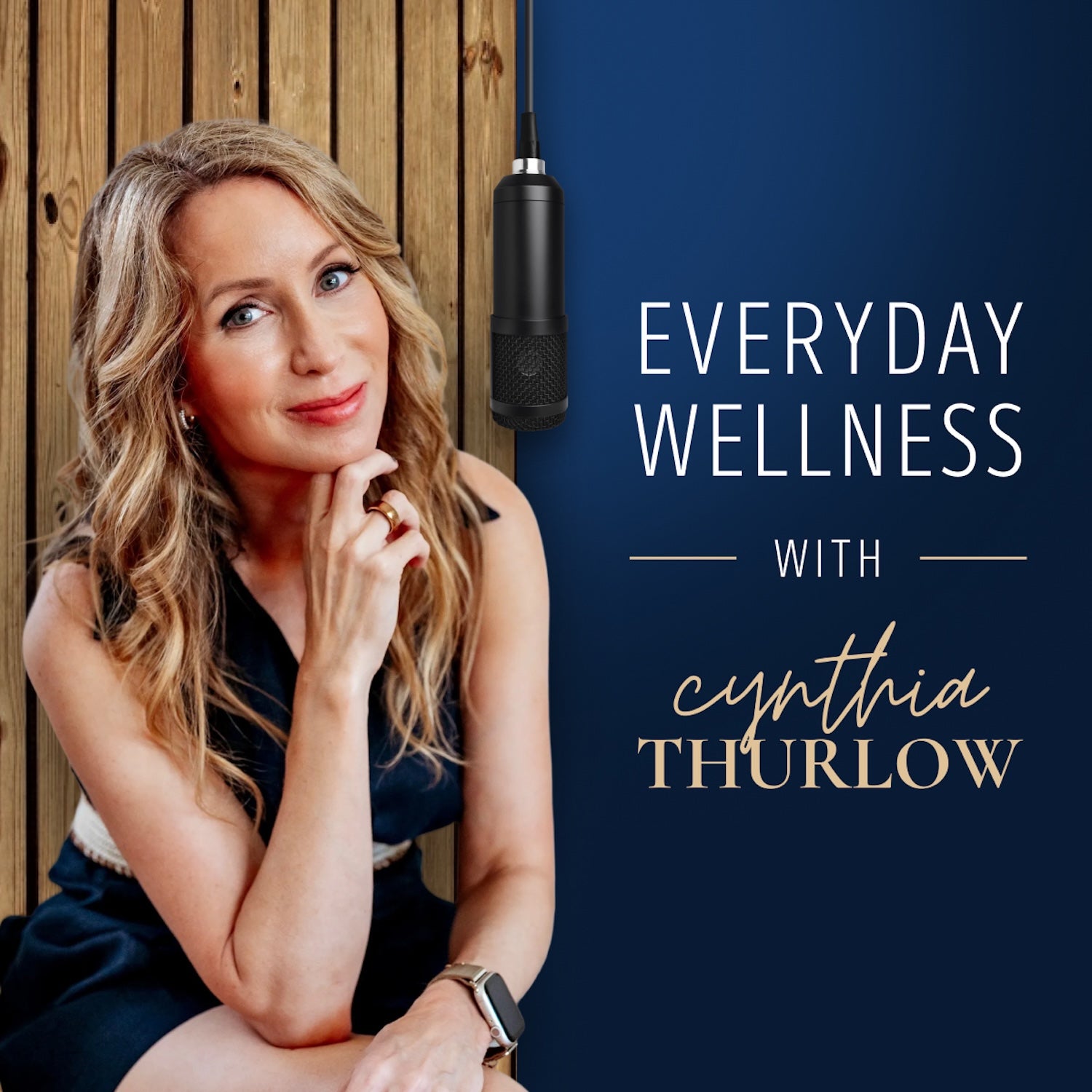
Everyday Wellness: Midlife Hormones, Menopause, and Science for Women 35+
Everyday Wellness™Audio
- Format:
- Podcast
- New episodes:
- Several times a week
- Typical length:
- about 1 hour
- Latest episode:
About this show
Looking for the latest strategies for dealing with menopause, hormones and midlife health issues? You're in the right place!
Cynthia Thurlow is a nurse practitioner, host of the Everyday Wellness podcast, author and international speaker, with over 15 million views for her second TEDx talk (Intermittent Fasting: Transformational Technique).
With over 25 years experience in health and wellness, Cynthia is a globally recognized expert in perimenopause/menopause and intermittent fasting, and has been featured on ABC, FOX5, KTLA, CW, Medium, Entrepreneur, and The Megyn Kelly Show. Her mission is to help empower women to live their most optimal lives in perimenopause and beyond.
Covers: womens health, menopause, perimenopause, hormone health, metabolic health, gut health, brain health, healthy aging, alcohol and health, intermittent fasting
Show details and episodes come from the publisher's public feed at feeds.megaphone.fm. Last updated . Names, artwork and text belong to their publishers.
Recently on this show
Summary of recent episodes, drawn from the publisher's feed.
This podcast, hosted by nurse practitioner Cynthia Thurlow, covers hormones, menopause, and midlife health for women over 35. Recent episodes explore walking as a health measure, continuous glucose monitors and insulin resistance, gut conditions like IBS, and memory and brain health during menopause.
Cosmos
Rated alike
- Techquickie
Often rated the same way. - Constant Wonder
Often rated the same way. - Savage Lovecast
Often rated the same way.
Similar in subject
- Energized with Dr. Mariza
Both cover: womens health, brain health, hormone health - FASTer Way Podcast
Both cover: womens health, hormone health, perimenopause - Mark Hyman, MD
Both cover: healthy aging, brain health, metabolic health
Similar shows
- Fat Loss School for Women Over 50 | Strategies to Lose Weight and Belly Fat After Menopause with Intermittent Fasting, Carb Cycling, Macros, Exercise, & Mindset
- Optimal Protein Podcast with Vanessa Spina
- The Dr. Brighten Show
- Live Like a Girl with Dr. Mindy Pelz
- Wits & Weights | Strength & Fat Loss Over 40
- BETTER! with Dr. Stephanie Estima | Women's Strength, Body Composition and Hormones
- Call Your Doctor
- Hello Hormones with Dr. Carrie Jones





Explore more
Episodes
Ep. 656 Brain Health, Metabolism, and Alzheimer’s Risk with Dr. David Perlmutter | Brain Health, Metabolism, Alzheimer's Risk
· 59 min
I am thrilled to welcome board-certified neurologist and six-time New York Times best-selling author Dr. David Perlmutter back to the Everyday Wellness Podcast for the third time. He is a fellow of the American Nutrition Association and serves on the board of directors. His most recent book is Brain Defenders. In this conversation, we discuss microglia, the brain’s immune cells, and explore their role in immune regulation, metabolism, and immunometabolism. We also examine why brain health prevention needs to start decades earlier, environmental threats, emerging therapies, lifestyle influences, especially alcohol consumption, and current brain-health research. Stay tuned for another invaluable conversation with Dr. David Perlmutter. I loved his latest book, which clarifies the role of immunometabolism — especially in midlife. IN THIS EPISODE, YOU WILL LEARN: - How microglia support the neurons and nurture synaptic connections - Why microglia can shift from being supportive to becoming destructive - Dr. Perlmutter explains what immunometabolism means - How metabolic issues can affect brain health decades before any cognitive symptoms appear - Why Dr. Perlmutter considers exercise “brain medicine” - The value of aerobics and resistance training for supporting brain health - How chronic stress and environmental threats can affect brain health - Dr. Perlmutter shares practical ways to reduce environmental threats to brain health - The link between alcohol consumption and Alzheimer’s risk - What emerging research shows about GLP-1s and neurodegenerative diseases Bio: About Dr. Perlmutter: Dr. David Perlmutter is a Board-Certified Neurologist and seven-time New York Times bestselling author whose work focuses on the intersection of neurology, nutrition, and brain health. A Fellow of the American College of Nutrition, he serves on its Board of Directors and on the Editorial Board of the Journal of Alzheimer’s Disease. His books, including the #1 bestseller Grain Brain, have been published in 32 languages and sold over a million copies. Dr. Perlmutter lectures globally at leading institutions and has been featured on major media outlets including 20/20, CNN, The Today Show, and Oprah. His contributions have earned him numerous national and international awards for clinical innovation and leadership. His upcoming book, Brain Defenders (http://braindefenders.com/), focuses on the pivotal role of microglia, the brain’s immune cells, in protecting, repairing, and reprogramming the brain for lifelong resilience, and is available now. ABOUT THE BOOK: Brain Defenders New York Times bestseller Brain Defenders (https://drperlmutter.com/books/brain-defenders/) reveals the powerful story of your brain's immune guardians (microglia) and how lifestyle choices can turn them into either fierce protectors or hidden saboteurs. The book directly challenges the notion that we now have meaningful treatments for diseases like Parkinson’s and Alzheimer’s. Despite FDA approval for drugs that reduce beta-amyloid, the book reveals that these drugs are not impactful and are actually profoundly dangerous. Packed with cutting-edge science and practical steps, Brain Defenders helps readers take charge of their long-term brain health and unlock lasting cognitive vitality. Connect with Cynthia Thurlow - Cynthia’s website (https://cynthiathurlow.com/). - Check out the Everyday Podcast on Instagram! www.instagram.com/everydaywellnesspodcast (http://www.instagram.com/everydaywellnesspodcast) - Follow on X (https://x.com/_cynthiathurlow?lang=en), Instagram (https://www.instagram.com/cynthia_thurlow_/?hl=en) & LinkedIn (https://www.linkedin.com/in/cynthia-thurlow-50395a9/detail/recent-activity/posts/) - Submit your questions to support@cynthiathurlow.com - Join other like-minded women in a supportive, nurturing community: The Midlife Pause/Cynthia Thurlow (https://www.facebook.com/groups/themidlifepause). - Purchase Cynthia’s…
Not rated yetEp. 655 Hormonal Acne, Melasma, and Botox Safety | Women's Health, Hormones, Acne
· 27 min
Welcome to this week’s Midlife Minute. Today I’m answering listeners’ questions related to acne, melasma, and neurotoxins. Stay tuned for more! IN THIS EPISODE, YOU WILL LEARN: - Why acne is usually hormonal even when blood work looks normal - The mechanism that lies behind the connection between sugar, dairy, and acne - The circumstances where blood testing is warranted for acne - How women can have acne and completely normal-looking labs and regular cycles, and still have PMOS-level hormone activity occurring - The value of screening for PMOS rather than just treating the skin - How melasma differs from acne - Two factors that cause melasma when both are present - Can Botox trigger autoimmune disease or cause autoimmune flares? - How to reduce the risk of problems when using Botox Connect with Cynthia Thurlow - Follow onX (https://x.com/_cynthiathurlow?lang=en),Instagram (https://www.instagram.com/cynthia_thurlow_/?hl=en) &LinkedIn (https://www.linkedin.com/in/cynthia-thurlow-50395a9/detail/recent-activity/posts/) - Check out Cynthia’swebsite (https://cynthiathurlow.com/). - Submit your questions to support@cynthiathurlow.com - Join other like-minded women in a supportive, nurturing community:The Midlife Pause/Cynthia Thurlow (https://www.facebook.com/groups/themidlifepause). - Purchase Cynthia’s book,The Menopause Gut (https://www.penguinrandomhouse.com/books/777129/the-menopause-gut-by-cynthia-thurlow-np/). - Cynthia’sIntermittent Fasting Transformation (https://www.penguinrandomhouse.com/books/678861/intermittent-fasting-transformation-by-cynthia-thurlow-np/) Book - The Midlife Pause Supplement Line (https://themidlifepause.com/) Reference List: Acne, Melasma, and Neurotoxins Acne References A1. Elhassan YS, Hawley JM, Cussen L, et al. Society for Endocrinology Clinical Practice Guideline for the Evaluation of Androgen Excess in Women. Clinical Endocrinology. 2025. A2. Bienenfeld A, Azarchi S, Lo Sicco K, et al. Androgens in Women: Androgen-Mediated Skin Disease and Patient Evaluation. Journal of the American Academy of Dermatology. 2019. A3. Briganti S, Flori E, Mastrofrancesco A, Ottaviani M. Acne as an altered dermato-endocrine response problem. Experimental Dermatology. 2020. A4. Reynolds RV, Yeung H, Cheng CE, et al. Guidelines of Care for the Management of Acne Vulgaris. Journal of the American Academy of Dermatology. 2024. A5. Moradi Tuchayi S, Makrantonaki E, Ganceviciene R, et al. Acne vulgaris. Nature Reviews Disease Primers. 2015. (Sentinel reference for acne pathophysiology) A6. Liu YT, Wang YW, Tu C, et al. Recommendations for managing adult acne and adolescent acne based on an epidemiological study conducted in China. Scientific Reports. 2024. A7. Xia J, Ding L, Liu G. Metabolic syndrome and dermatological diseases: association and treatment. Nutrition & Metabolism. 2025. A8. Cussen L, McDonnell T, Bennett G, et al. Approach to androgen excess in women: Clinical and biochemical insights. Clinical Endocrinology. 2022. A9. Melnik BC, Schmitz G. Role of insulin, insulin-like growth factor-1, hyperglycaemic food and milk consumption in the pathogenesis of acne vulgaris. Experimental Dermatology. 2009. A10. Chang J, Nock MR, Cohen JM, Bunick CG. Acne accounts for an almost 2.5-fold higher proportion of dermatology visits among adult females compared to adult males in the United States. PLoS One. 2022. A11. Rao Y, Lei Z, Chen S, et al. Differential plasma proteome analysis reveals key proteins associated with insulin resistance in acne vulgaris patients. Scientific Reports. 2025. A12. Roster K, Fleshner L, Karatas TB, et al. Menopause and Common Dermatoses: A Systematic Review. American Journal of Clinical Dermatology. 2026. (Shared reference, also cited in melasma section) A13. Eichenfield DZ, Sprague J, Eichenfield LF. Management of Acne Vulgaris. The Journal of the American Medical Association. 2021. A14. Costa CS, Bagatin E, Yang Z, et al. Systemic pharmacological…
Not rated yetEp. 654 Daily Ayurvedic Self-Care with Dr. Shivani Gupta
· 41 min
Today, I’m delighted to continue my conversation with Dr. Shivani Gupta about curcumin's science and its impact on mitochondrial and brain health. Dr. Gupta is the founder and CEO of Fusionary Formulas and the author of The Inflammation Code. She holds a master's degree and a PhD in Vedic sciences, and her dissertation focused on turmeric's role in inflammation, joint health, and cardiovascular health. In this conversation, we explore Ayurvedic medicine and daily rituals, body types and the five elements, and how they shape how we navigate our lives. We also spend significant time discussing how to find balance in midlife and the rituals Dr. Gupta has found particularly impactful for midlife women. This is another truly invaluable conversation with Dr. Shivani Gupta — one you will most likely want to revisit more than once. IN THIS EPISODE, YOU WILL LEARN: - How much turmeric or curcumin you need to take daily to buffer inflammation - How curcumin supports the creation of new mitochondria as we age - Dr. Gupta explains how Ayurveda uses the Vata, Pitta, and Kapha body types to understand individual differences - How trauma or a major change can shift your Ayurvedic constitution - The shift toward Vata many women tend to experience during the perimenopause to menopause transition, and how that may show up - How to strengthen weak digestive fire - Dr. Gupta describes an Ayurvedic morning routine - The value of using dry brushing as a simple daily ritual to support circulation and lymphatic flow - The benefits of using abhyang massage as an Ayurvedic self-care ritual during menopause - How stress and dysregulation affect the vagus nerve Bio: Dr. Shivani Gupta is an Ayurvedic practitioner, turmeric researcher, and founder of Fusionary Formulas. She holds a Master's degree in Ayurvedic Sciences and completed her PhD dissertation on turmeric, making her one of the world's foremost experts on its pharmacology and clinical application. She is the author of The Inflammation Code, published by Hay House, bridging ancient Ayurvedic wisdom with modern inflammation science. Dr. Gupta is known for making complex science accessible without dumbing it down — her work speaks equally to the everyday health-conscious woman and to clinicians who want to go deeper. ***Use the code CYNTHIA for 15% off atFusionaryFormulas.com (https://fusionaryformulas.com/). Connect with Cynthia Thurlow - Follow onX (https://x.com/_cynthiathurlow?lang=en),Instagram (https://www.instagram.com/cynthia_thurlow_/?hl=en) &LinkedIn (https://www.linkedin.com/in/cynthia-thurlow-50395a9/detail/recent-activity/posts/) - Check out Cynthia’swebsite (https://cynthiathurlow.com/). - Submit your questions to support@cynthiathurlow.com - Join other like-minded women in a supportive, nurturing community:The Midlife Pause/Cynthia Thurlow (https://www.facebook.com/groups/themidlifepause). - Purchase Cynthia’s book,The Menopause Gut (https://www.penguinrandomhouse.com/books/777129/the-menopause-gut-by-cynthia-thurlow-np/). - Cynthia’sIntermittent Fasting Transformation (https://www.penguinrandomhouse.com/books/678861/intermittent-fasting-transformation-by-cynthia-thurlow-np/) Book - The Midlife Pause Supplement Line (https://themidlifepause.com/) Connect with Dr. Shivani Gupta - On herwebsite (https://shivanigupta.com/) - Use the code CYNTHIA for 15% off athttps://fusionaryformulas.com/FusionaryFormulas.com (http://fusionaryformulas.com) - Instagram (https://www.instagram.com/dr.shivanigupta/) - YouTube (https://www.youtube.com/@dr.shivanigupta/videos) - Facebook (https://www.facebook.com/@TheShivaniGupta) - Pinterest (https://za.pinterest.com/theshivanigupta/) - Fusionary Formulas (https://fusionaryformulas.com/) - The Inflammation Code (https://www.theinflammationcode.com/book) (Book Website) - The Inflammation Code Podcast (https://podcasts.apple.com/us/podcast/the-inflammation-code/id1680587836)
Not rated yetBONUS: Medical Debt and Health Insurance with Andy Schoonover | Medical Insurance, Insurance Alternatives, CrowdHealth
· 55 min
Today’s podcast episode is brought to you by CrowdHealth. I’m delighted to sit down with Andy Schoonover, co-founder and CEO of CrowdHealth, today. CrowdHealth is a community-powered alternative to health insurance, offering a revolutionary way to pay healthcare bills through crowdfunding. Previously, Andy was CEO of VRI, a healthcare technology company that focused on monitoring patients with chronic conditions out of their homes. He is a proud graduate of the University of Virginia and Stanford University's Graduate School of Business. Andy and I discuss the scale of medical debt in the United States, including claim denials and at-risk vulnerable populations. We examine the impact of hospital takeovers and the medical system, looking at how insurance companies and hospitals, which are actually oligopolies, drive price increases that directly affect our insurance premiums and out-of-pocket costs. We discuss how hospitals influence private practice, and how this is actually a microcosm of much larger challenges. Andy also shares his origin story, explains how clinicians need to encourage patients to take care of their health in their 20s and 30s to avoid developing chronic diseases, and clarifies how CrowdHealth works, who it’s for, and how it is a growing response to our broken medical system. This conversation is particularly important due to the poor understanding of how health insurance works in the United States, while medical debt is becoming a huge issue for millions of Americans today. It may even get you thinking about your own medical insurance and how much coverage you actually receive. IN THIS EPISODE, YOU WILL LEARN: - Why CrowdHealth encourages members to know their metabolic markers - The importance of taking autonomy over your own healthcare - How CrowdHealth works as an alternative to the traditional medical-model insurance system - How CrowdHealth members can decide who they contribute toward - What screening looks like within the CrowdHealth community - Andy describes CrowdHealth’s Exit Diabetes program - How CrowdHealth’s health coaches and care advocates support members - How CrowdHealth is bringing the care back to healthcare Bio: Andy Schoonover is the founder and CEO of CrowdHealth, a healthcare freedom company built to help Americans escape the broken health insurance system. After spending years watching families get crushed by skyrocketing premiums, confusing policies, and surprise medical bills, Andy launched CrowdHealth to create a simpler, more human alternative to traditional insurance. Connect with Cynthia Thurlow - Check out Cynthia’swebsite (https://cynthiathurlow.com/). - Check out the Everyday Podcast on Instagram!www.instagram.com/everydaywellnesspodcast (http://www.instagram.com/everydaywellnesspodcast) - Follow onX (https://x.com/_cynthiathurlow?lang=en),Instagram (https://www.instagram.com/cynthia_thurlow_/?hl=en) &LinkedIn (https://www.linkedin.com/in/cynthia-thurlow-50395a9/detail/recent-activity/posts/) - Submit your questions tosupport@cynthiathurlow.com - Join other like-minded women in a supportive, nurturing community:The Midlife Pause/Cynthia Thurlow (https://www.facebook.com/groups/themidlifepause). - Purchase Cynthia’s book,The Menopause Gut (https://www.penguinrandomhouse.com/books/777129/the-menopause-gut-by-cynthia-thurlow-np/). - Cynthia’sIntermittent Fasting Transformation (https://www.penguinrandomhouse.com/books/678861/intermittent-fasting-transformation-by-cynthia-thurlow-np/) Book - The Midlife Pause Supplement Line (https://themidlifepause.com/) Connect with Andy Schoonover Join CrowdHealth (https://www.joincrowdhealth.com/) CrowdHealth onInstagram (https://www.instagram.com/joincrowdhealth/) andX (https://x.com/JoinCrowdHealth?lang=en) CrowdHealth on all Social Media: @JoinCrowdHealth
Not rated yetEp. 653 Estrogen, Progesterone, and Gut Health with Dr. Kumkum Patel | Gut Health, Constipation, Estrogen, Progesterone
· 1 hr 1 min
Today, I’m honored to speak with Dr. Kumkum Patel, a double board-certified gastroenterologist and neurogastroenterologist who specializes in the gut-brain-pelvic floor connection. In our conversation, we talk about IBS and stress in midlife, exploring the impact of the enteric nervous system, key risk factors for colorectal cancer, and how stress affects women differently in perimenopause and menopause. We discuss the influence of proton pump inhibitors, bile acid diarrhea after gallbladder removal, how women’s microbiome changes through the menopausal transition, and clues that indicate the estrobulome is optimized. Dr. Patel explains visceral hypersensitivity, the influence of motility, pelvic floor dysfunction, constipation, and why constipation should not be normalized. She also explains how she addresses tears, hemorrhoids, and fissures; what to do when standard approaches stop working; nutritional interventions; and how she uses microbiome testing. Stay tuned for today’s insightful conversation with Dr. Kumkum Patel about IBS, the gut-brain axis, and the menopausal transition. IN THIS EPISODE, YOU WILL LEARN: - How stress affects the gut-brain axis - The red flags that help Dr. Patel distinguish IBS from colorectal cancer or other conditions, and why midlife bowel changes should be evaluated - How long-term PPI use can create additional problems, and how automatic refills contribute to prolonged use - How bile acid diarrhea can occur after gallbladder removal, and other causes that may explain persistent diarrhea - Symptoms that could indicate that a woman’s gut microbiome and estrobolome may not be functioning optimally - How gastrointestinal and pelvic symptoms change during the menstrual cycle as women approach menopause - How pelvic-floor dysfunction contributes to constipation - Lifestyle changes that can help manage hemorrhoids and fissures and reduce further irritation - How people who can eat most foods can improve their diet before adding supplements - Where microbiome testing fits into Dr. Patel’s practice and why she uses it cautiously Bio: Dr. Kumkum Sarkar Patel is a double-board-certified gastroenterologist practicing in Orange County, California. She specializes in irritable bowel syndrome, swallowing disorders, pelvic floor disorders, and women's GI health. She graduated Magna Cum Laude with honors, with a Bachelor of Science degree in Biomedical Engineering from Virginia Commonwealth University. She earned a Master's degree in Public Health from Dartmouth Medical School at the Dartmouth Institute for Health Policy and Clinical Practice, and her medical degree from St. George’s University School of Medicine. She completed her internal medicine residency at NYU Winthrop Hospital and then did a Gastroenterology fellowship at the University of Illinois in Chicago. Dr. Patel completed specialized training in GI motility disorders at Washington University in St. Louis through the American Neurogastroenterology and Motility Society. Dr. Patel moved to Southern California with her husband and two young sons in July 2020. Dr. Patel currently serves as a healthcare consultant and speaker for medical device and pharmaceutical companies. She also serves on the American College of Gastroenterology's Women in GI Committee to promote advancement for women in GI. Additionally, she is a passionate motivational speaker who has spoken nationally about women's health, work-life balance, postpartum depression, and gut health related to stress and mental health. In September 2022, Dr. Patel hosted the Equity and Levity Summit in Orange County, California, the first-of-its-kind women's empowerment conference. She was named the 2023 Healthcare Innovator of the Year by the Irvine Chamber of Commerce and named a 40 Under 40 Top Leader in Irvine in 2024. She has been featured on KTLA5 News, CBS8, NBC California Live, as well as in print in Good Housekeeping, Popsugar Wellness, Authority magazine, and VoyageLA…
Not rated yetEp. 652 Undereating, Fasting, and Bone Density | Undereating, Fasting, Bone Density
· 24 min
Welcome to the latest Midlife Minute. In this episode, I answer questions related to disordered relationships with food, relative energy deficiency, bone health, and intermittent fasting. Stay tuned to learn what can happen to your body when you’re undernourished, and how to approach intermittent fasting in a way that supports your health instead of adding more stress. IN THIS EPISODE, YOU WILL LEARN: - How fasting culture can sometimes intersect with undernourishing the body - The link between a lifetime of anorexia, fasting, and restrictive eating and lower bone mineral density in midlife - The importance of restoring energy availability - The endocrine and metabolic changes that can accompany loss of the menstrual cycle - When transdermal estradiol and progesterone may be appropriate if menstrual recovery does not occur - The importance of getting enough protein, fiber, healthy fats, and overall nourishment when fasting intermittently - What to consider when using electrolytes during a fast Connect with Cynthia Thurlow - Cynthia’swebsite (https://cynthiathurlow.com/). - Check out the Everyday Podcast on Instagram!www.instagram.com/everydaywellnesspodcast (http://www.instagram.com/everydaywellnesspodcast) - Follow onX (https://x.com/_cynthiathurlow?lang=en),Instagram (https://www.instagram.com/cynthia_thurlow_/?hl=en) &LinkedIn (https://www.linkedin.com/in/cynthia-thurlow-50395a9/detail/recent-activity/posts/) - Submit your questions to support@cynthiathurlow.com - Join other like-minded women in a supportive, nurturing community:The Midlife Pause/Cynthia Thurlow (https://www.facebook.com/groups/themidlifepause). - Purchase Cynthia’s book,The Menopause Gut (https://www.penguinrandomhouse.com/books/777129/the-menopause-gut-by-cynthia-thurlow-np/). - Cynthia’sIntermittent Fasting Transformation (https://www.penguinrandomhouse.com/books/678861/intermittent-fasting-transformation-by-cynthia-thurlow-np/) Book - The Midlife Pause Supplement Line (https://themidlifepause.com/) Research: 1.Relative Energy Deficiency in Sport (REDs): Endocrine Manifestations, Pathophysiology and Treatments (https://pubmed.ncbi.nlm.nih.gov/38488566)Endocrine Reviews, 2024. Angelidi AM, Stefanakis K, Chou SH, et al. Review. 2.The IOC Consensus Statement: Beyond the Female Athlete Triad—Relative Energy Deficiency in Sport (RED-S) (https://pubmed.ncbi.nlm.nih.gov/24620037)British Journal of Sports Medicine, 2014. Mountjoy M, Sundgot-Borgen J, Burke L, et al. 3.Eating Disorders (https://pubmed.ncbi.nlm.nih.gov/32171414)The Lancet, 2020. Treasure J, Duarte TA, Schmidt U. Review. 4.Eating Disorders (https://jamanetwork.com/journals/jama/fullarticle/10.1001/jama.2025.0132)The Journal of the American Medical Association, 2025. Attia E, Walsh BT. Review. 5.All-Cause and Cause-Specific Mortality Risk in Individuals With Eating Disorders: Systematic Review and Meta-Analysis of Relative Risk and Aggravating or Attenuating Factors (https://pubmed.ncbi.nlm.nih.gov/41536100)World Psychiatry, 2026. Semchishen SN, Højlund M, Lemaire D, et al. Recent. 6.ACOG Committee Opinion No. 740: Gynecologic Care for Adolescents and Young Women With Eating Disorders (https://doi.org/10.1097/AOG.0000000000002652)Obstetrics & Gynecology, 2018. Committee on Adolescent Health Care. Guideline. 7.Fractures in Women With Eating Disorders—Incidence, Predictive Factors, and the Impact of Disease Remission: Cohort Study With Background Population Controls (https://onlinelibrary.wiley.com/doi/10.1002/eat.23223)International Journal of Eating Disorders, 2020. Frølich J, Winkler LA, Abrahamsen B, et al. 8.A Systematic Review and Meta-Analysis of the Association Between Eating Disorders and Bone Density (https://pubmed.ncbi.nlm.nih.gov/26782684)Osteoporosis International, 2016. Robinson L, Aldridge V, Clark EM, Misra M, Micali N. Systematic Review. 9.Bone Health in Adult Women With ED: A Longitudinal Community-Based Study…
Not rated yetEp. 651 Personalized Nutrition for Gut Health with Kara Siedman, RD, CDCES
· 1 hr 0 min
Today, I’m delighted to connect with registered dietitian and certified diabetes care and education specialist, Kara Siedman. Her broad clinical experience spans inpatient oncology, diabetes, and gastroenterology. She is currently the Vice President of Science and Partnerships at Resbiotic. In today’s conversation, we focus on the value of nutrition at the intersection of the microbiome and overall health. We discuss nutritional dogma, the impact of gastroparesis, IBS, IBD, SIBO, and other similar diagnoses. We explore midlife risk factors and medications that impact the microbiome, the influence of low FODMAP diets and irritable bowel syndrome management, food fears, and disordered food relationships. We also examine the influence of probiotics and prebiotics, clarify why constipation is multifactorial, discuss the hallmarks of aging related to the microbiome and midlife changes, and review evolving research on the microbiome and responses to GLP-1 drugs. This conversation with Kara Siedman is truly invaluable, so stay tuned! IN THIS EPISODE, YOU WILL LEARN: - How nutrition has shifted away from hard science toward influencer opinions and social media dogma - Why nutrition should be personalized rather than treated as one-size-fits-all - Why carbohydrates should not be demonized, and the important role each macronutrient plays - Why Kara views nutrition as a bridge between conventional and functional medicine - Why supporting the microbiome is about building stability and resilience through multiple foundational factors rather than one isolated intervention - Medications that can disrupt the microbiome - Why a low FODMAP diet should be viewed as a bridge for symptom management, and not as a treatment for IBS or something that should necessarily be followed indefinitely - How the microbiome changes with aging and menopause - Multiple factors that can contribute to constipation - What research has revealed about the gut microbiome as a potential factor in GLP-1 responses Bio: Kara Siedman is a registered dietitian and certified diabetes care and education specialist with over 15 years of clinical experience in inpatient care, outpatient program development, and integrative/functional nutrition. Kara’s work in a leading gastroenterology practice sparked her transition into functional nutrition, where she integrated root-cause approaches into GI care and became a mentor and key opinion leader in the field. Her passion for the gut microbiome evolved into a professional specialty, leading her to collaborate with top biotech and microbiome-focused companies. As Senior Director of Science & Partnerships at resbiotic, Kara educates healthcare providers on microbiome science and the clinical application of targeted microbiome therapies. Known for her ability to simplify complex research, she brings clarity, credibility, and passion to gut health education. Connect with Cynthia Thurlow - Follow onX (https://x.com/_cynthiathurlow?lang=en),Instagram (https://www.instagram.com/cynthia_thurlow_/?hl=en) &LinkedIn (https://www.linkedin.com/in/cynthia-thurlow-50395a9/detail/recent-activity/posts/) - Check out Cynthia’swebsite (https://cynthiathurlow.com/). - Submit your questions to support@cynthiathurlow.com - Join other like-minded women in a supportive, nurturing community:The Midlife Pause/Cynthia Thurlow (https://www.facebook.com/groups/themidlifepause). - Purchase Cynthia’s book,The Menopause Gut (https://www.penguinrandomhouse.com/books/777129/the-menopause-gut-by-cynthia-thurlow-np/). - Cynthia’sIntermittent Fasting Transformation (https://www.penguinrandomhouse.com/books/678861/intermittent-fasting-transformation-by-cynthia-thurlow-np/) Book - The Midlife Pause Supplement Line (https://themidlifepause.com/) Connect with Kara Siedman, RD, CDCES - Resbiotic (https://resbiotic.com/) - OnInstagram (https://www.instagram.com/kara.siedman/?hl=en) - Resbiotic on LinkedIn…
Not rated yetBONUS: Rethinking Diabetes: Treatment and Management in the Modern Era with Gary Taubes
· 1 hr 1 min
I am thrilled to have Gary Taubes back on the show today. (He was with me before on episode 137. Gary is an investigative science and health journalist whose work has been pivotal in catalyzing the low-carb keto movement. He has written many books, including his most recent, Rethinking Diabetes, and his articles are in many of the best anthologies. He has also received many science awards. Today's discussion is particularly significant, given the recent report from the American Diabetes Association revealing that the annual cost of diabetes in the United States reached a staggering $412.9 billion in 2022, with individuals diagnosed with diabetes now representing one in every four dollars spent on healthcare. In our discussion today, we dive into the history of diabetes, pertinent statistics, the prevailing standard of care, and the transformative influence of insulin on diabetes management and reactive hypoglycemia. Gary provides insights into his reactions to GLP-1s, the integration of medical and nutritional science into medicine, and the influence of organizations such as the American Diabetes Association, AHA, USDA, and NIH. Our discussion also extends to the effects of pharmaceuticals, the shortcomings of our approach to diabetes management and of existing models, and the challenges the low-carb community faces. Stay tuned for today's eye-opening conversation, where we shed light on the complexities of diabetes care and explain how simple lifestyle changes can tremendously improve quality of life. IN THIS EPISODE YOU WILL LEARN: - Rethinking Diabetes is a groundbreaking exploration of diabetes diagnosis, management, and treatment - Gary discusses the evolution of evidence-based medicine - Why the traditional medical approach to treating diabetes is inadequate - How the guidelines of the American Diabetes Association were based on outdated assumptions - How medical treatments compare with lifestyle changes for managing diabetes - Controversies surrounding how the pharmaceutical industry has influenced the way medical associations have shaped their diabetes management policies - How medical guidelines and dietary advice have evolved - What constitutes a healthy diet? - How patients often have trouble following diet recommendations, despite their best intentions - Is obesity a hormonal disorder or caused by overeating? Connect with Cynthia Thurlow - Check out Cynthia’swebsite (https://cynthiathurlow.com/). - Check out the Everyday Podcast on Instagram!www.instagram.com/everydaywellnesspodcast (http://www.instagram.com/everydaywellnesspodcast) - Follow onX (https://x.com/_cynthiathurlow?lang=en),Instagram (https://www.instagram.com/cynthia_thurlow_/?hl=en) &LinkedIn (https://www.linkedin.com/in/cynthia-thurlow-50395a9/detail/recent-activity/posts/) - Submit your questions to support@cynthiathurlow.com - Join other like-minded women in a supportive, nurturing community: The Midlife Pause/Cynthia Thurlow (https://www.facebook.com/groups/themidlifepause). - Purchase Cynthia’s book,The Menopause Gut (https://www.penguinrandomhouse.com/books/777129/the-menopause-gut-by-cynthia-thurlow-np/). - Cynthia’sIntermittent Fasting Transformation (https://www.penguinrandomhouse.com/books/678861/intermittent-fasting-transformation-by-cynthia-thurlow-np/) Book - The Midlife Pause Supplement Line (https://themidlifepause.com/) Connect with Gary Taubes - On hiswebsite (https://garytaubes.com/) - Twitter (https://twitter.com/garytaubes?lang=en) - Facebook (https://www.facebook.com/GaryTaubesAuthor/) Previous Episode Mentioned Ep. 137 – High Blood Sugar Levels and Long-Term Damage with Gary Taubes (https://cynthiathurlow.com/ep-137-high-blood-sugar-levels-and-its-long-term-damage-with-gary-taubes/) Book Mentioned: Rethinking Diabetes: What Science Reveals About Diet, Insulin, and Successful Treatments is available from most bookstores or onAmazon (https://amzn.to/47pivUo).
Not rated yetEp. 650 ADHD and Hormones in Women with Dr. Jolene Brighten
· 1 hr 0 min
Today, I’m honored to reconnect with Dr. Jolene Brighten. She’s an award-winning, board-certified naturopathic endocrinologist, nutrition scientist, and leading voice in women’s health. She’s the author of Beyond the Pill, Healing Your Body Naturally After Childbirth, and her latest book, ADHD and Women: A Guide to Optimizing Your Hormones and Thriving with ADHD, which represents an expansion of her core thesis that women’s symptoms get chronically misattributed when the hormone piece is left out of the picture, which she now applies to ADHD. She also hosts The Dr. Brighten Show. In today’s conversation, we look at why ADHD symptoms surface or worsen at hormonal transitions, the mental health effects of oral contraceptives and synthetic hormones, and the gut-brain connection to ADHD. We explore how gut dysbiosis dysregulates vagal nerve signaling; how butyrate and other short-chain fatty acids influence it; what endobelly is and how it affects histamine and mast cell degranulation; and emerging research on GLP-1s and endometriosis. We also discuss rejection sensitivity disorder and masking, nutritional and o lifestyle recommendations for improving symptomatology, and how key supplements like cytochrome and saffron can improve memory and mitochondrial health. Stay tuned for a truly insightful conversation with Dr. Jolene Brighten and a deeper look at ADHD and Women. IN THIS EPISODE, YOU WILL LEARN: - How perimenopause can amplify ADHD symptoms - Why ADHD in some women remains unidentified until midlife - How gut dysbiosis can influence vagal nerve signaling in the ADHD brain - Why butyrate and resistant starches may be important for the ADHD brain - The connection between endometriosis, ADHD, and the gut - How Dr. Brighten guides neurodivergent women through HRT conversations - How rejection sensitivity dysphoria can affect women with ADHD - Dr. Brighten shares lifestyle recommendations for women with ADHD Bio: Dr. Jolene Brighten is a hormone expert, nutrition scientist, and founder of Dr. Brighten Essentials. Board-certified in naturopathic endocrinology, a certified menopause specialist, and sex counselor, she is the bestselling author of Beyond the Pill, Is This Normal?, and the forthcoming ADHD and Women. She is dedicated to helping women optimize their hormone, brain, and sexual health through evidence-based education. Connect with Cynthia Thurlow Check out Cynthia’swebsite (https://cynthiathurlow.com/). Check out the Everyday Podcast on Instagram!www.instagram.com/everydaywellnesspodcast (http://www.instagram.com/everydaywellnesspodcast) Follow onX (https://x.com/_cynthiathurlow?lang=en),Instagram (https://www.instagram.com/cynthia_thurlow_/?hl=en) &LinkedIn (https://www.linkedin.com/in/cynthia-thurlow-50395a9/detail/recent-activity/posts/) Submit your questions to support@cynthiathurlow.com Join other like-minded women in a supportive, nurturing community:The Midlife Pause/Cynthia Thurlow (https://www.facebook.com/groups/themidlifepause). Purchase Cynthia’s book,The Menopause Gut (https://www.penguinrandomhouse.com/books/777129/the-menopause-gut-by-cynthia-thurlow-np/). Cynthia’sIntermittent Fasting Transformation (https://www.penguinrandomhouse.com/books/678861/intermittent-fasting-transformation-by-cynthia-thurlow-np/) Book The Midlife Pause Supplement Line (https://themidlifepause.com/) Connect with Dr. Jolene Brighten Website (https://drbrighten.com/) Pre-order bonuses for ADHD and Women (https://drbrighten.com/adhdandwomen) (Meal plans to help optimize hormones and a PMDD workshop) On Social Media: @DrJoleneBrighten The Dr. Brighten Show (https://open.spotify.com/show/5VWcYWJFzi3OnwidT25IXi)
Not rated yetEp. 649 Hormone Therapy After Hysterectomy |Menopause, Perimenopause, Hormone Health
· 18 min
Welcome to this week’s Midlife Minute! Today, I examine partial and full hysterectomies and what we know about their potential long-term effects, clarifying what the research tells us about bone, brain, and cardiovascular health, and what women should discuss with their healthcare providers before and after surgery. IN THIS EPISODE, YOU WILL LEARN: - How a partial hysterectomy differs from a full hysterectomy, and the abrupt estrogen changes ovarian removal can produce - Why having a hysterectomy before ages 40-45 can have a greater impact than having surgery closer to natural menopausal age. - How a hysterectomy can impact women’s bone health - What the research reveals about the connection between surgical menopause at a younger age, cognitive decline, and Alzheimer’s pathology - How a hysterectomy can affect women’s cardiovascular health - Why starting HRT early after an early-age hysterectomy could be important for your long-term health - Why younger women who experience surgical menopause may require higher estradiol doses than the standard menopausal regimens - The importance of advocating for yourself, understanding your personal risk, and talking with your clinician about estrogen and other hormone therapy before undergoing surgery Quotes: “Start those conversations early- before you ever have surgery.” “If you are having these surgeries done before 45, before 40, you need HRT!” “We have to manage our stress.” “We have to get enough sleep.” “We should be strength training.” “We should be physically active.” “We should be eating an anti-inflammatory diet.” Connect with Cynthia Thurlow - Follow onX (https://x.com/_cynthiathurlow?lang=en),Instagram (https://www.instagram.com/cynthia_thurlow_/?hl=en) &LinkedIn (https://www.linkedin.com/in/cynthia-thurlow-50395a9/detail/recent-activity/posts/) - Check out Cynthia’swebsite (https://cynthiathurlow.com/). - Submit your questions to support@cynthiathurlow.com - Join other like-minded women in a supportive, nurturing community:The Midlife Pause/Cynthia Thurlow (https://www.facebook.com/groups/themidlifepause). - Purchase Cynthia’s book,The Menopause Gut (https://www.penguinrandomhouse.com/books/777129/the-menopause-gut-by-cynthia-thurlow-np/). - Cynthia’sIntermittent Fasting Transformation (https://www.penguinrandomhouse.com/books/678861/intermittent-fasting-transformation-by-cynthia-thurlow-np/) Book - The Midlife Pause Supplement Line (https://themidlifepause.com/) Research: - Increased Risk of Osteoporosis With Hysterectomy: A Longitudinal Follow-Up Study Using a National Sample Cohort. (https://pubmed.ncbi.nlm.nih.gov/30768935/) American Journal of Obstetrics and Gynecology. 2019. Choi HG, Jung YJ, Lee SW. - Menopause Transition and Cardiovascular Disease Risk: Implications for Timing of Early Prevention: A Scientific Statement From the American Heart Association. (https://www.ahajournals.org/doi/abs/10.1161/CIR.0000000000000912) Circulation. 2020. El Khoudary SR, Aggarwal B, Beckie TM, et al. - Cardiovascular Disease After Hysterectomy in the Nurses' Health Study and Nurses' Health Study II. (https://pubmed.ncbi.nlm.nih.gov/40341551/) Obstetrics and Gynecology. 2025. Thao V, Borah B, Stewart EA, et al. - Treatment of Women After Bilateral Salpingo-oophorectomy Performed Prior to Natural Menopause. (https://jamanetwork.com/journals/jama/article-abstract/2784970) The Journal of the American Medical Association. 2021. Kaunitz AM, Kapoor E, Faubion S. - Hysterectomy, Oophorectomy, and Bone Health: A Systematic Review and Meta-Analysis. (https://pubmed.ncbi.nlm.nih.gov/40845177/) European Journal of Endocrinology. 2025. Shariful Islam M, Tuesley KM, Wilson LF, et al. - Risk of Osteoporosis and Fracture After Hysterectomies Without Oophorectomies: A Systematic Review and Pooled Analysis. (https://pubmed.ncbi.nlm.nih.gov/35348837/) Osteoporosis International. 2022. Xu W, Wu W, Yang S, et al. - Hysterectomies Are Associated With an Increased Risk…
Not rated yetEp. 648 High and Low Cortisol Explained with Dr. Erin Kinney
· 53 min
Today, I’m delighted to connect with Dr. Erin Kinney. She’s a naturopathic medicine doctor and the founder of the Kinney Clinic, which focuses on hormone replacement therapy, nutrition, adrenal health, thyroid, and lymphatic system issues. Dr. Kinney is also the stress reset expert and author of The Cortisol Cure. In our conversation, we explore cortisol debt, how to recognize it through self-assessment, and why Dr. Kinney believes we need to change the narrative around stress. We discuss ways to modulate the autonomic nervous system, specifically the parasympathetic, the true drivers of low cortisol, including sleep and circadian rhythm disruption, overtraining without adequate recovery, nutrient depletion, chronic or stealth infections, and unresolved trauma. Dr. Kinney explains how Lyme disease, Epstein-Barr virus, and mold and mycotoxin exposure can contribute to more pronounced stress responses, and we examine the influence of caffeine, alcohol, and stimulants; calming supplements for stress and sleep; the gut-brain axis and gut immune dysfunction. Dr. Kinney also shares her preferred strategies to regulate cortisol easily and effectively. Stay tuned for a truly enjoyable conversation with the delightful Dr. Kinney. Her book, The Cortisol Cure, is a great resource for anyone suffering from multiple stress-related issues. IN THIS EPISODE, YOU WILL LEARN: - What “cortisol debt” means - The value of short, intentional periods of rest for training the “relaxed muscle” - How low cortisol can involve both external and internal stressors - How early trauma can train the nervous system to stay activated - Why alcohol may lead to disrupted sleep and anxiety - How caffeine and stimulants can increase your energy debt - Why supplements cannot replace foundational practices that support stress-response regulation - Dr. Kinney’s preferred supplements for calming the autonomic nervous system - How a poorly functioning gut can impact immune cells, thyroid-hormone conversion, and the body’s immune response - Dr. Kinney shares three repeatable practices to begin regulating cortisol Bio: Dr. Erin Kinney is a naturopathic doctor, author, and speaker specializing in hormonal health and the effects of chronic stress. She is the creator of the “Cortisol Bank Account” framework, the foundation of her book The Cortisol Cure, which breaks down complex stress and hormone science into a simple, accessible approach that helps readers understand what’s happening in their bodies and how to start feeling better. She founded The Kinney Clinic in Annapolis, Maryland, where she helps high-functioning men and women get to the root of fatigue, hormone imbalance, and chronic health issues so they can reset their stress response, boost their energy, and feel better than ever. Connect with Cynthia Thurlow - Follow onX (https://x.com/_cynthiathurlow?lang=en),Instagram (https://www.instagram.com/cynthia_thurlow_/?hl=en) &LinkedIn (https://www.linkedin.com/in/cynthia-thurlow-50395a9/detail/recent-activity/posts/) - Check out Cynthia’swebsite (https://cynthiathurlow.com/). - Submit your questions to support@cynthiathurlow.com - Join other like-minded women in a supportive, nurturing community:The Midlife Pause/Cynthia Thurlow (https://www.facebook.com/groups/themidlifepause). - Purchase Cynthia’s book,The Menopause Gut (https://www.penguinrandomhouse.com/books/777129/the-menopause-gut-by-cynthia-thurlow-np/). - Cynthia’sIntermittent Fasting Transformation (https://www.penguinrandomhouse.com/books/678861/intermittent-fasting-transformation-by-cynthia-thurlow-np/) Book - The Midlife Pause Supplement Line (https://themidlifepause.com/) Connect with Dr. Erin Kinney - TheKinney Clinic (https://www.thekinneyclinic.com/) - OnInstagram (https://www.instagram.com/drkinney) - The Dr. Kinney Show (https://www.drerinkinney.com/the-dr-kinney-show)
Not rated yetBONUS: Cholesterol, ApoB, and Lp(a) with Crystal Gossard, DCN, MS, CNS, LN
· 52 min
This episode is sponsored by Life Extension. I am delighted to have Dr. Crystal Gossard, the Manager of Education at Life Extension, joining me today. Dr. Gossard is a Doctor of Clinical Nutrition with over 15 years of experience in nutrition, fitness, dietary supplements, and integrative functional medicine. In our conversation today, Dr. Gossard and I discuss uncommon heart health testing, including gaps in care for women in perimenopause and menopause, and clarify the critical importance of a bioindividual personalized approach. We dive into specifics on labs, including ApoB as a direct measurement, the influence of glycation, insulin resistance and insulin sensitivity, LP(a), and high-sensitivity CRP as both a marker of systemic inflammation and a targeted inflammatory profile marker. We also cover oxidized LDL, inflammation and oxidative stress, the importance of CoQ10, and screening modalities like coronary artery calcium scoring, CCTA, CT angio, and Cleerly, and minerals, including magnesium and its role in over 600 enzymatic reactions in the body. ***Try Life Extension https://www.lifeextension.com/Cynthia10labs @LifeExtensionWelleness and save $10 on orders of $50 or more, plus free shipping, with code: Cynthia10 IN THIS EPISODE, YOU WILL LEARN: - The importance of advanced lab testing for cardiovascular and metabolic health in women, particularly during perimenopause and menopause - What ApoB reveals about cardiovascular risk - Why Dr. Gossard considers LP(a) a one-and-done test - How elevated high-sensitivity CRP can indicate inflammation “simmering” in the background - How to manage inflammation through nutrition - How Dr. Gossard explains oxidized LDL - The value of CoQ10 for oxidized LDL - When should someone move beyond lab work to cardiovascular screening? - What magnesium testing can reveal - How magnesium supports the body Connect with Cynthia Thurlow - Follow onX (https://x.com/_cynthiathurlow?lang=en),Instagram (https://www.instagram.com/cynthia_thurlow_/?hl=en) &LinkedIn (https://www.linkedin.com/in/cynthia-thurlow-50395a9/detail/recent-activity/posts/) - Check out Cynthia’swebsite (https://cynthiathurlow.com/). - Submit your questions to support@cynthiathurlow.com - Join other like-minded women in a supportive, nurturing community:The Midlife Pause/Cynthia Thurlow (https://www.facebook.com/groups/themidlifepause). - Purchase Cynthia’s book,The Menopause Gut (https://www.penguinrandomhouse.com/books/777129/the-menopause-gut-by-cynthia-thurlow-np/). - Cynthia’sIntermittent Fasting Transformation (https://www.penguinrandomhouse.com/books/678861/intermittent-fasting-transformation-by-cynthia-thurlow-np/) Book - The Midlife Pause Supplement Line (https://themidlifepause.com/) Connect with Dr. Crystal Gossard - Life Extension (https://www.lifeextension.com/?srsltid=AfmBOooscrnJDSmdDOlLu4KnxAru6ETsN5z3zMypUxuJtItoKstRuKhm) - Instagram (https://www.instagram.com/drcrystalgossard/) - LinkedIn (https://www.linkedin.com/in/crystal-moore-gossard-dcn-ms-cns-ln-1477616b/) - Live Foreverish Podcast (https://www.youtube.com/playlist?list=PLaQ7pQkLzpwAbWTZSsjsfAw-pv3gjW90S) TryLife Extension (https://www.lifeextension.com/?srsltid=AfmBOooscrnJDSmdDOlLu4KnxAru6ETsN5z3zMypUxuJtItoKstRuKhm) and save $10 on orders of $50 or more, plus free shipping, with code: CYNTHIA10.
Not rated yetEp. 647 Spore-Based Probiotics and Gut Health with Kiran Krishnan, Ph.D. | Probiotics, Gut Health, Womens Health
· 1 hr 4 min
I’m thrilled to reconnect with microbiome expert Kiran Krishnan today. Kiran co-founded Just Thrive and previously served as Chief Scientific Officer at Microbiome Labs. He has more than 16 years of experience in the dietary supplement and nutrition industry, with postgraduate research experience in molecular biology and virology. In today’s conversation, we take a deep dive into the science of spore-based probiotics, their ecological impact, how they interact with the existing gut microbiome, their potential to address dysbiosis, and why standard probiotics fail to survive stomach acid in meaningful numbers. We explore research on osteoarthritis, catabolism, and the gut-hormone connection, discussing how declining bacterial diversity may influence the metabolic and hormonal changes associated with perimenopause and menopause. Kiran explains the role of the pathobiome and endotoxemia, how the gut-brain axis can influence inflammation, and the importance of gut-barrier integrity, neurotransmitter production, and vagal nerve signaling in regulating the immune system. We also discuss the differences between fiber, resistant starch, polyphenols, fermented foods, prebiotics, and postbiotics, and Kiran shares his perspective on the carnivore diet, its potential impact on the microbiome, and key insights into SIBO. Stay tuned for today’s fascinating and informative conversation with Kiran Krishnan. IN THIS EPISODE, YOU WILL LEARN: - Kiran explains the science behind spore-based probiotics - Why spore-based probiotics can survive stomach acid better than many standard probiotics - How inflammation can inhibit the growth of beneficial gut bacteria - How bacterial diversity in the gut decreases during perimenopause and menopause - Why awareness of endotoxemia remains limited within the broader medical community - Kiran explains how the gut-brain axis helps the body respond to its environment - What prebiotics and postbiotics actually do - Why an inability to tolerate fiber may point to a problem with the underlying biology rather than the food itself - How SIBO and SIFO can be symptoms of a more complex underlying problem Bio: Kiran Krishman, Ph.D. Kiran is a research microbiologist and a health and wellness expert who aims to make complex information understandable to all. He has founded several successful health and supplement companies over the last 15 years, including co-founding and leading Microbiome Labs, a preeminent microbiome therapeutics-focused brand among healthcare professionals. He is currently a co-founder and partner in 3 other companies that aim to revolutionize wellness care. He has conducted and published several research studies in scientific journals, published chapters in scientific textbooks/references books, holds global patents, and is a sought-after speaker on human health and the microbiome. Connect with Cynthia Thurlow - Check out Cynthia’swebsite (https://cynthiathurlow.com/). - Check out the Everyday Wellness Podcast on Instagram!www.instagram.com/everydaywellnesspodcast (http://www.instagram.com/everydaywellnesspodcast) - Follow onX (https://x.com/_cynthiathurlow?lang=en),Instagram (https://www.instagram.com/cynthia_thurlow_/?hl=en) &LinkedIn (https://www.linkedin.com/in/cynthia-thurlow-50395a9/detail/recent-activity/posts/) - Submit your questions to support@cynthiathurlow.com - Join other like-minded women in a supportive, nurturing community: The Midlife Pause/Cynthia Thurlow (https://www.facebook.com/groups/themidlifepause). - Purchase Cynthia’s book,The Menopause Gut (https://www.penguinrandomhouse.com/books/777129/the-menopause-gut-by-cynthia-thurlow-np/). - Cynthia’sIntermittent Fasting Transformation (https://www.penguinrandomhouse.com/books/678861/intermittent-fasting-transformation-by-cynthia-thurlow-np/) Book - The Midlife Pause Supplement Line (https://themidlifepause.com/) Connect with Kiran Krishnan - The Biome Learning Center (https://biomelc.com/): Join Kiran’s…
Not rated yetEp. 646 HRT and Bone Health in Menopause | Menopause, Perimenopause, Bone Health
· 24 min
Welcome to the latest Midlife Minute. Today, I answer some listener questions about bone health, osteoporosis, HRT, and the menopause transition. Stay tuned to learn more about bone loss, bone health, and proactive ways to protect your bone mass. IN THIS EPISODE, YOU WILL LEARN: - Bone density loss during perimenopause - Value of HRT for protecting bone mass during the menopause transition - If you’re using an estrogen patch and your estrogen levels are still low, what should you consider? - How women with osteoporosis can continue strength training with guidance from a licensed medical provider - What highly-active women who consistently under-fuel their bodies may experience - Conditions and medications that could contribute to low bone density - The value of DEXA scans and bone health markers - Bone loss may accelerate during menopause - How HRT for osteoporosis prevention differs from HRT for established osteoporosis - The benefit of AMH and FSH labs for identifying women who may benefit from earlier intervention Connect with Cynthia Thurlow - Follow onX (https://x.com/_cynthiathurlow?lang=en),Instagram (https://www.instagram.com/cynthia_thurlow_/?hl=en) &LinkedIn (https://www.linkedin.com/in/cynthia-thurlow-50395a9/detail/recent-activity/posts/) - Check out Cynthia’swebsite (https://cynthiathurlow.com/). - Submit your questions to support@cynthiathurlow.com - Join other like-minded women in a supportive, nurturing community: The Midlife Pause/Cynthia Thurlow (https://www.facebook.com/groups/themidlifepause). - Purchase Cynthia’s book,The Menopause Gut (https://www.penguinrandomhouse.com/books/777129/the-menopause-gut-by-cynthia-thurlow-np/). - Cynthia’sIntermittent Fasting Transformation (https://www.penguinrandomhouse.com/books/678861/intermittent-fasting-transformation-by-cynthia-thurlow-np/) Book - The Midlife Pause Supplement Line (https://themidlifepause.com/)
Not rated yetEp. 645 Chronic Stress and Dysregulation with Roseann Capanna-Hodge, Ed.D. | Stress, Emotional Dysregulation
· 50 min
I’m thrilled to reconnect with Roseann Capanna-Hodge, Ed.D., today. She's a licensed clinical psychologist, board-certified in neurofeedback, and mom of two neurodivergent children. She's also the author of the upcoming book, The Dysregulated Kid (https://www.dysregulatedkid.com/). Today, we discuss how midlife women become stressed and how stress is an event and dysregulation is a physiological state. We also explore emotional regulation, hypervigilance, midlife’s invisible load, strategies to stimulate the vagus nerve, and ways to address both over- and under-stimulated behavior. Stay tuned for today’s insightful and informative conversation with Roseann Capanna-Hodge. You’ll walk away with tangible strategies for yourself and your family members, too! IN THIS EPISODE, YOU WILL LEARN: - How stress “creeps in” through everyday pressures and affects the nervous system - Why some coping strategies that worked earlier in life may become less effective or maladaptive amid midlife hormonal and neurological changes - The value of practicing belly breathing and other regulation strategies in “micro little bits” throughout the day - How emotional regulation can help change dysregulated patterns passed down through families. - How explaining regulation through science can reduce shame and help children become more receptive to these strategies. - Why caring for a dysregulated child can be especially triggering for parents with difficult childhoods or histories of dysregulated parenting - How women carrying an “invisible load” can find small openings to practice regulation strategies throughout the day - How nutrition can support emotional regulation and affect focus, motivation, irritability, anger, and hyperactivity - How using brief regulation practices, movement, breathing, touch, and daily routines can help manage chronic stress. - Why regulating the nervous system should come before, or support, other interventions Bio: Roseann Capanna-Hodge. Ed.D. is a leading expert in emotional and behavioral dysregulation with more than 30 years of experience helping families transform chaos into calm. As the creator of Regulation First Parenting® and the CALMS Dysregulation Protocol®, she bridges clinical science with everyday parenting so families can finally understand what’s really driving their child’s struggles. Specializing in nervous system dysregulation, the root cause of challenges like ADHD, anxiety, OCD, mood disorders, and PANS/PANDAS, Roseann gives parents and professionals brain-based tools that create lasting change without blame, shame, or guesswork. Through her bestselling books, upcoming book The Dysregulated Kid, and top 1% podcast, Dysregulated Kids, she has helped thousands of families support their child’s brain, behavior, and emotional well-being in practical, hopeful ways. Featured in The New York Times, Forbes, and Parents Magazine, Roseann is on a mission to bring Regulation First Parenting™ to every home so that children can thrive and families can finally feel calm again. Connect with Cynthia Thurlow - Follow onX (https://x.com/_cynthiathurlow?lang=en),Instagram (https://www.instagram.com/cynthia_thurlow_/?hl=en) &LinkedIn (https://www.linkedin.com/in/cynthia-thurlow-50395a9/detail/recent-activity/posts/) - Check out Cynthia’swebsite (https://cynthiathurlow.com/). - Submit your questions to support@cynthiathurlow.com - Join other like-minded women in a supportive, nurturing community:The Midlife Pause/Cynthia Thurlow (https://www.facebook.com/groups/themidlifepause). - Purchase Cynthia’s book,The Menopause Gut (https://www.penguinrandomhouse.com/books/777129/the-menopause-gut-by-cynthia-thurlow-np/). - Cynthia’sIntermittent Fasting Transformation (https://www.penguinrandomhouse.com/books/678861/intermittent-fasting-transformation-by-cynthia-thurlow-np/) Book - The Midlife Pause Supplement Line (https://themidlifepause.com/) Connect with Roseann Capanna-Hodge, Ed.D - Website…
Not rated yetBONUS: Perimenopause and Menopause: What you didn't Know with Dr. Felice Gersh
· 1 hr 20 min
I’m honored to reconnect with Dr. Felice Gersh today! She is a multi-award-winning physician with dual board certification in OB-GYN and Integrative Medicine. We connected once before in Episode 221, where we spoke about PCOS and metabolic health. Today, Dr. Gersh joins me to dive into perimenopause and menopause. We discuss various issues surrounding the Women’s Health Initiative and talk about estrogen as a family of hormones, estrogen-mimicking chemicals, synthetic hormones, and oral contraceptives. We cover the importance of thyroid function, the pro-inflammatory state associated with estrogen loss in perimenopause and menopause, and the role of nutrition and exercise in metabolism. We also discuss lesser-known changes that occur in menopause, including changes in body odor, constipation, sarcopenia, osteoporosis, and vocal changes. I plan to invite Dr. Gersh back to discuss women and mitochondrial health, and then again to talk about her latest book, Menopause: The Fifty Things You Need to Know. Stay tuned to find out what menopause really is, and what it does to a woman’s metabolic system. IN THIS EPISODE YOU WILL LEARN: - Dr. Gersh discusses the Women’s Health Initiative study and its devastating effects. - The difference between synthetic and bioidentical hormones. - How chronic diseases of aging can be delayed when hormones are incorporated along with other lifestyle refinements. - What do hormones do? - Why every immune cell in the body has receptors for vital hormones. - Menopause may not be defined by a specific moment in time. - Physiological changes that occur during the perimenopause years - How hormones can change the perimenopause paradigm entirely. - Perimenopause and sleep issues - Phytoestrogens - nature’s gift to women Connect with Cynthia Thurlow - Follow on X (https://x.com/_cynthiathurlow?lang=en), Instagram (https://www.instagram.com/cynthia_thurlow_/?hl=en) & LinkedIn (https://www.linkedin.com/in/cynthia-thurlow-50395a9/detail/recent-activity/posts/) - Check out Cynthia’s website (https://cynthiathurlow.com/). - Submit your questions to support@cynthiathurlow.com - Join other like-minded women in a supportive, nurturing community:The Midlife Pause/Cynthia Thurlow (https://www.facebook.com/groups/themidlifepause). - Purchase Cynthia’s book, The Menopause Gut (https://www.penguinrandomhouse.com/books/777129/the-menopause-gut-by-cynthia-thurlow-np/). - Cynthia’sIntermittent Fasting Transformation (https://www.penguinrandomhouse.com/books/678861/intermittent-fasting-transformation-by-cynthia-thurlow-np/) Book - The Midlife Pause Supplement Line (https://themidlifepause.com/) Connect with Dr. Felice Gersh - Website: Integrative Medical Group of Irvine (https://integrativemgi.com/) - Instagram (https://www.instagram.com/drfelicegersh/) - Dr. Gersh’s books are available onAmazon (https://www.amazon.com/s?k=dr+felice+gersh&crid=1W0PPGWL4BM4F&sprefix=dr+felice+gersh%2Caps%2C167&ref=nb_sb_noss_1) Previous Episode Mentioned Episode 221 on PCOS with Dr. Felice Gersh (https://cynthiathurlow.com/ep-221-part-1-an-integrative-approach-to-pcos-and-menstrual-irregularities-with-dr-felice-gersh/)
Not rated yetEp. 644 Insulin Resistance and Advanced Lipid Testing with Dr. Tom Dayspring
· 1 hr 29 min
Today, I’m honored to reconnect with fan favorite, Dr. Tom Dayspring. Dr. Dayspring is a fellow of both the American College of Physicians and the National Lipid Association, and is certified in internal medicine and clinical lipidology with extensive experience in perimenopause and menopause management. He has been a frequent contributor and educator at Everyday Wellness. In this episode, we discuss labs that help to monitor changes in insulin resistance (specifically the LPIR score), the clinical practice limitations Dr. Dayspring believes stem from a lack of humility, and aspects of women’s medical histories that may indicate greater heart disease risk. We examine statin therapy and other treatment modalities, premature menopause and cardiovascular disease risks, Lp(a) as the primary inherited risk factor for heart disease, and current guidelines, treatment goals, and recommendations. Dr. Dayspring also shares his thoughts on estrogen patch shortages and oral estradiol therapy challenges with elevated triglycerides. As always, this is an invaluable conversation with Dr. Tom Dayspring. Stay tuned for an upcoming podcast with Dr. Dayspring, where we'll focus on lipids and brain health. IN THIS EPISODE, YOU WILL LEARN: - Lipoprotein changes and how they can reveal insulin resistance before fasting insulin or glucose begin to rise - Why someone can be insulin resistant while showing normal triglyceride levels - The importance of looking at a woman’s broader medical history to find potential cardiovascular risk signals - Why premature menopause and premature ovarian failure should be taken seriously as cardiovascular and long-term health risk factors - How Lp(a) is the most inherited risk factor for atherosclerotic heart disease across the population - Why women may benefit from repeat Lp(a) testing around the menopausal transition - What clinicians may address when Lp(a) is elevated, including other modifiable cardiovascular risk factors - Oral estrogen may have a beneficial effect on Lp(a). - How epidemiological evidence has linked endometriosis with heart disease - Why Dr. Dayspring recommends checking ApoB when triglycerides are elevated Connect with Cynthia Thurlow - Follow onX (https://x.com/_cynthiathurlow?lang=en),Instagram (https://www.instagram.com/cynthia_thurlow_/?hl=en) &LinkedIn (https://www.linkedin.com/in/cynthia-thurlow-50395a9/detail/recent-activity/posts/) - Check out Cynthia’swebsite (https://cynthiathurlow.com/). - Submit your questions to support@cynthiathurlow.com - Join other like-minded women in a supportive, nurturing community:The Midlife Pause/Cynthia Thurlow (https://www.facebook.com/groups/themidlifepause). - Purchase Cynthia’s book,The Menopause Gut (https://www.penguinrandomhouse.com/books/777129/the-menopause-gut-by-cynthia-thurlow-np/). - Cynthia’sIntermittent Fasting Transformation (https://www.penguinrandomhouse.com/books/678861/intermittent-fasting-transformation-by-cynthia-thurlow-np/) Book - The Midlife Pause Supplement Line (https://themidlifepause.com/) Connect with Dr. Tom Dayspring - OnX (https://x.com/Drlipid) (@DrLipid) - LinkedIn (https://www.linkedin.com/in/thomas-dayspring-md-facp-mnla-3aaa876/)
Not rated yetEp. 643 What Menopause Does to Lp(a) and Cholesterol |Menopause, Perimenopause, Cholesterol
· 41 min
Welcome to the latest Midlife Minute. This episode unpacks ongoing research on Lp(a), explores how women’s lipids change during the perimenopause-to-menopause transition, and clarifies what we can do about it. Stay tuned for more! IN THIS EPISODE, YOU WILL LEARN: - How total cholesterol, LDL, and ApoB tend to rise most steeply around the final menstrual period, rather than increasing gradually with chronological aging - Why women should have their Lp(a) checked both before and after menopause - How oral and transdermal estradiol can affect LDL, HDL, triglycerides, and Lp(a) differently - Why I recommend including ApoB when checking your lipids during the perimenopause window - How your lifestyle can reduce your cardiovascular risk, even when your Lp(a) is elevated - Why omega-3 fatty acids and commonly used lipid medications do not lower Lp(a) - Why supplements are not replacements for statins in genuinely high-risk patients - I review the various PCSK9 inhibitors currently available, how they are administered, and their effects - How a CAC, a CT angiogram, and an AI-assisted CT angiogram can help women and their providers determine how aggressive their approach should be when Lp(a) is elevated Connect with Cynthia Thurlow - Follow onX (https://x.com/_cynthiathurlow?lang=en),Instagram (https://www.instagram.com/cynthia_thurlow_/?hl=en) &LinkedIn (https://www.linkedin.com/in/cynthia-thurlow-50395a9/detail/recent-activity/posts/) - Check out Cynthia’swebsite (https://cynthiathurlow.com/). - Submit your questions to support@cynthiathurlow.com - Join other like-minded women in a supportive, nurturing community: The Midlife Pause/Cynthia Thurlow (https://www.facebook.com/groups/themidlifepause). - Purchase Cynthia’s book,The Menopause Gut (https://www.penguinrandomhouse.com/books/777129/the-menopause-gut-by-cynthia-thurlow-np/). - Cynthia’sIntermittent Fasting Transformation (https://www.penguinrandomhouse.com/books/678861/intermittent-fasting-transformation-by-cynthia-thurlow-np/) Book - The Midlife Pause Supplement Line (https://themidlifepause.com/) References: 1. Menopause Transition and Cardiovascular Disease Risk: Implications for Timing of Early Prevention: A Scientific Statement From the American Heart Association.Circulation. 2020. El Khoudary SR, Aggarwal B, Beckie TM, et al.Guideline 2. Menopause: A Cardiometabolic Transition. The Lancet. Diabetes & Endocrinology. 2022. Nappi RE, Chedraui P, Lambrinoudaki I, Simoncini T.Review 3. Dyslipidemia Across the Menopause Transition: Mechanisms, Trajectories, and Opportunities for Cardiovascular Prevention. Maturitas. 2026. Castaneda R, Tatit CP, Hurtado Andrade MD, Faubion SS, Shufelt CL.RecentReview 4. Lipoprotein(a) and Women's Cardiovascular Health: A Review. JACC. Advances. 2026. Michos ED, Saucier S, Mehran R, Koschinsky ML. 5. Lipid Metabolism in Women: A Review. Atherosclerosis. 2025. van Oortmerssen JAE, Mulder JWCM, Kavousi M, Roeters van Lennep JE.Review 6. Are Changes in Cardiovascular Disease Risk Factors in Midlife Women Due to Chronological Aging or to the Menopausal Transition?. Journal of the American College of Cardiology. 2009. Matthews KA, Crawford SL, Chae CU, et al.Observational 7. Trajectories of Lipids Around the Menopause Transition in Chinese Women: Results of the Kailuan Cohort Study. Fertility and Sterility. 2023. Dai Q, Wu S, Cao Z, et al. 8. Lipid Management in Patients With Endocrine Disorders: An Endocrine Society Clinical Practice Guideline. The Journal of Clinical Endocrinology and Metabolism. 2020. Newman CB, Blaha MJ, Boord JB, et al.Guideline 9. The Effects of Menopause Hormone Therapy on Lipid Profile in Postmenopausal Women: A Systematic Review and Meta-Analysis. Frontiers in Pharmacology. 2022. Nie G, Yang X, Wang Y, et al.SR 10. Perspectives on Dyslipidemia and Coronary Heart Disease in Women. Journal of the American College of Cardiology. 2005. Bittner V.Review 11. Dyslipidemia in Midlife Women: Approach…
Not rated yetEp. 642 Metabolic Health and Brain Aging with Dr. Zaldy Tan | Menopause, Perimenopause, Metabolic Health
· 46 min
Today, I am honored to connect with Dr. Zaldy Tan, a geriatric medicine and memory disorder specialist whose research career has centered on the Framingham Heart Studies Offspring Cohort. Dr. Tan currently directs Cedar Sinai’s memory and healthy aging programs, after previously leading the memory clinic at Beth Israel and Harvard Medical School. His book, Age Proof Your Mind, translates his clinical and research background into a practical framework for people trying to assess and protect their own cognitive trajectory. In our conversation, Dr. Tan explains why middle age is the old age of youth and the youth of old age. We discuss common symptoms of memory issues and those that are reversible. We explore the Framingham Offspring Study and its impact on brain health over time, looking at the effects of sleep, depression, vitamin deficiencies, alcohol, loneliness, and nutrition, and Dr. Tan shares the three Ds, dementia, delirium, and depression- the red flags he sees in his clinical practice, explains how he helps prepare caregivers for caring for loved ones with neurocognitive memory loss, and discusses late-stage issues, medications, blood-based biomarkers, and the role of genetics in brain health. Stay tuned for a truly fascinating discussion with Dr. Zaldy Tan. IN THIS EPISODE, YOU WILL LEARN: - The importance of being sensitive to how your memory changes over time - Various factors that could contribute to memory problems - The profound effect alcohol has on the brain and neurologic function - How social isolation can increase the risk of dementia in future years - Dr. Tan discusses the Framingham Offspring Study and the links between metabolic dysregulation and brain MRI markers of brain aging. - How the 3 Ds, delirium, dementia, and depression, can overlap - The red flags in a patient’s history that lead Dr. Tan to believe there may be a more serious issue - What care partners should be aware of when a family member is experiencing dementia - The importance of protecting sleep and maintaining consistent sleep patterns for those with memory problems - How genetic testing is incorporated into Dr. Tan’s care model Bio: Dr. Zaldy Tan is the Director of the Memory & Healthy Aging Program at Cedars-Sinai Medical Center, which U.S. News & World Report ranked in 2024 as the best hospital on the U.S. West Coast and among the top hospitals in the country. He holds the Carmen & Louis Warschaw Endowed Chair in Neurology and is a professor at the David Geffen School of Medicine, University of California, Los Angeles. Dr. Tan was the founding director of the Memory Disorders Clinic at Harvard Medical School/Beth Israel Deaconess Medical Center. Dr. Tan performs aging and dementia research covered by The New York Times, Time, CNN, The Wall Street Journal, NPR, The Washington Post, The Chicago Tribune, Reuters, ABC News, and NBC News. He regularly speaks at major national and international conferences and is the author of Age-Proof Your Mind and What to Remember When You Are Forgetting. Connect with Cynthia Thurlow - Follow onX (https://x.com/_cynthiathurlow?lang=en),Instagram (https://www.instagram.com/cynthia_thurlow_/?hl=en) &LinkedIn (https://www.linkedin.com/in/cynthia-thurlow-50395a9/detail/recent-activity/posts/) - Check out Cynthia’swebsite (https://cynthiathurlow.com/). - Submit your questions to support@cynthiathurlow.com - Join other like-minded women in a supportive, nurturing community:The Midlife Pause/Cynthia Thurlow (https://www.facebook.com/groups/themidlifepause). - Purchase Cynthia’s book,The Menopause Gut (https://www.penguinrandomhouse.com/books/777129/the-menopause-gut-by-cynthia-thurlow-np/). - Cynthia’sIntermittent Fasting Transformation (https://www.penguinrandomhouse.com/books/678861/intermittent-fasting-transformation-by-cynthia-thurlow-np/) Book - The Midlife Pause Supplement Line (https://themidlifepause.com/) Connect with Dr. Zaldy Tan - Dr. Tan at Cedars Sinai (Los Angeles)…
Not rated yetBONUS: Spermidine and Autophagy with Leslie Kenny | Menopause, Perimenopause, Longevity
· 1 hr 15 min
Welcome to the latest episode in our series of highly vetted companies I like to share with my Everyday Wellness community. Today, I’m delighted to connect with Leslie Kenny, Founder and CEO of Oxford Healthspan. After being diagnosed with multiple autoimmune conditions and being told she was unlikely to have any biological children, Leslie put her autoimmune conditions into remission through nutrition and lifestyle changes and later went on to conceive naturally at 43. Her personal experience led her into a research collaboration with Oxford immunologist Professor Katya Simon, where she was introduced to spermidine, a naturally occurring polyamine studied for its role in autophagy—our cells’ internal recycling and cleanup process. She later founded Oxford Healthspan to bring a whole-food Japan-sourced spermidine supplement, Primadine, to market. She also co-founded the non-profit Oxford Longevity Project alongside Oxford scientists to educate the public more broadly on healthspan research. In our conversation, we discuss self-advocacy, autoimmunity, infertility, and empowerment, exploring how modern life affects perimenopause and menopause, as well as spermidine research and its mechanisms of action. We discuss intermittent fasting, autophagy, mitophagy, gut health, food-based sources of spermidine, how our spermidine levels decrease with age, and why supplementation is truly beneficial. Leslie also shares feedback on how Primadine impacts memory, cognition, hair, skin, and nails; how clock genes and circadian biology work; and biological versus chronological age. Stay tuned for a truly fascinating conversation with Leslie Kenny- one you’ll most likely want to revisit more than once. IN THIS EPISODE, YOU WILL LEARN: - The changes Leslie implemented after being diagnosed with rheumatoid arthritis and lupus - How patients need to ask questions and collaborate with their clinicians rather than simply following instructions - Leslie describes how she worked with doctors to monitor her symptoms and address problems early during the perimenopause-to-menopause transition. - How Leslie came to learn about spermidine and its connection to autophagy and mitophagy - How spermidine can support healthy aging - How ultra-processed foods can affect the gut, and foods that contain natural sources of spermidine - The types of improvements customers taking Primadine have reported - Leslie explains the distinction between biological and chronological age - Why intermittent fasting, although beneficial, may not work the same way for all women Bio: Leslie Kenny is an Oxford-based longevity entrepreneur, TEDx Oxford speaker, and healthspan advocate. She is the founder of Oxford Healthspan, creator of Primeadine®, co-founder of the Oxford Longevity Project, and Global Executive Ambassador for the Japan Autophagy Consortium, whose senior adviser is Yoshinori Ohsumi, recipient of the 2016 Nobel Prize in Physiology or Medicine for his pioneering research on autophagy. She is a frequent international speaker and moderator on longevity, biological aging, and the future of preventive medicine, with a particular focus on translating emerging research into practical, evidence-based strategies for extending healthspan. Leslie has been an early advocate for the role of autophagy, cellular renewal, and nutrition in healthy aging, helping to pioneer broader awareness of spermidine and its relevance to longevity pathways. Connect with Cynthia Thurlow - Follow onX (https://x.com/_cynthiathurlow?lang=en),Instagram (https://www.instagram.com/cynthia_thurlow_/?hl=en) &LinkedIn (https://www.linkedin.com/in/cynthia-thurlow-50395a9/detail/recent-activity/posts/) - Check out Cynthia’swebsite (https://cynthiathurlow.com/). - Submit your questions to support@cynthiathurlow.com - Join other like-minded women in a supportive, nurturing community:The Midlife Pause/Cynthia Thurlow (https://www.facebook.com/groups/themidlifepause). - Purchase Cynthia’s…
Not rated yet