

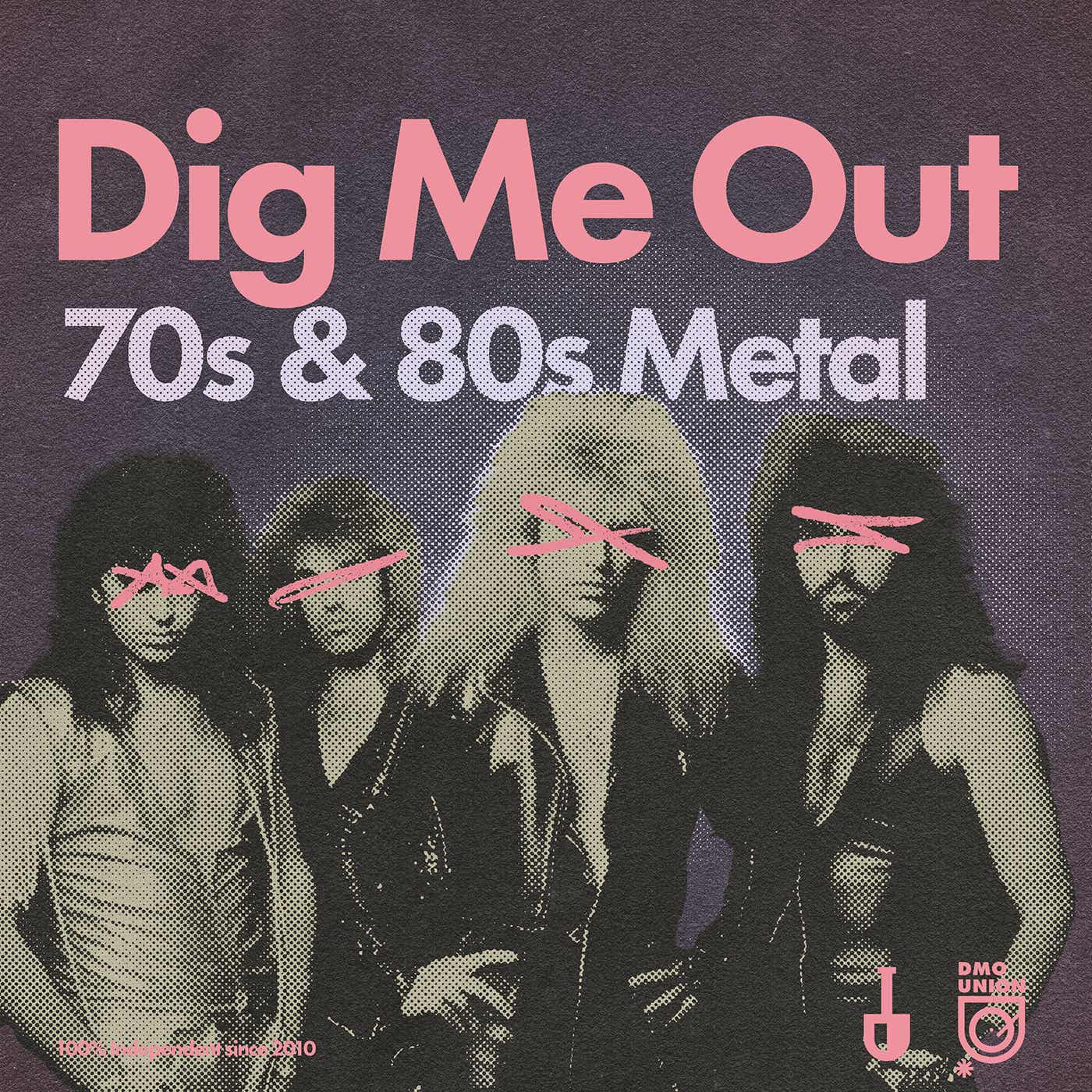
Dig Me Out: 70s & 80s Metal
Beyond the hits—exploring the albums, bands, and moments that shaped the heavy 70s & 80s metalAudio
- Format:
- Podcast
- New episodes:
- Every two weeks
- Typical length:
- about 1 hour
- Latest episode:
About this show
J, Chip, and Tim dig into the heavy rock and metal that defined two decades—from Black Sabbath and Led Zeppelin’s pioneering riffs to Mötley Crüe’s sonic excess, the unsung heroes, and the stories behind it all. One album at a time. Let’s relive the magic.
www.digmeoutpodcast.com (https://www.digmeoutpodcast.com/s/dig-me-out-80s-metal?utm_medium=podcast)
Covers: heavy metal, hard rock, album reviews, 70s rock, 80s metal, music history, guitar music, glam metal
Show details and episodes come from the publisher's public feed at api.substack.com. Last updated . Names, artwork and text belong to their publishers.
Recently on this show
Summary of recent episodes, drawn from the publisher's feed.
Dig Me Out is a podcast where hosts examine individual heavy rock and metal albums from the 1970s and 1980s, plus the bands behind them. Recent episodes cover AC/DC's Highway to Hell, Manowar's Kings of Metal, and Starz's Violation.
Cosmos
Similar in subject
- Ridiculous Rock Record Reviews
Both cover: hard rock, heavy metal, album reviews - Classic Metal Show
Both cover: hard rock, heavy metal, album reviews - Talk Is Jericho
Both cover: guitar music, heavy metal
Similar shows


Explore more
Episodes
Celtic Frost - Into the Pandemonium | 80s Metal Revisited
· 1 hr 1 min
What happens when a band ditches thrash just as it goes mainstream… and dives headfirst into French poetry, industrial noise, and orchestral arrangements? You get Into the Pandemonium by Celtic Frost, a boundary-shattering 1987 album that still divides, bewilders, and inspires. In this episode, we dig deep into this genre-defying masterpiece that blurred the lines between black metal, gothic atmospheres, and avant-garde experimentation. Was it ahead of its time or just too weird to work? Either way, it’s unforgettable. We explore the album’s fascinating backstory—from label resistance and chart failure to its underground cult status and lasting influence on extreme music. Along the way, we unpack everything from Baudelaire lyrics and Bosch album art to dive-bomb guitar solos and operatic vocals. If you’re into the darker corners of 80s metal or love when bands break all the rules, this one’s for you. If you’re a fan of Ministry, Bauhaus, Slayer, or the experimental side of Metallica, hit play. 🔍 Episode Highlights • 0:00 – Intro music – Why Into the Pandemonium is unlike any metal album from the 1980s• 5:57 – From Zurich to the underground – Celtic Frost’s chaotic path to cult legend status• 10:06 – Label friction – How Noise Records hated the record and refused to promote it• 14:36 – “Mexican Radio” – The controversial cover that opens the album on a strange note• 16:15 – Strings, chanting & French vocals – The bold sonic turns that confused fans• 20:01 – Thrash roots meet goth experimentation – Influences from Slayer to Baudelaire• 26:30 – What’s working: track highlights, including “Babylon Fell” and “I Won’t Dance”• 35:00 – What didn’t work: sequencing issues, divisive vocals, and industrial missteps• 44:00 – Legacy check – Why Celtic Frost influenced everyone from Napalm Death to Dave Grohl• 50:33 – Final verdicts: Is it a better EP, a classic album, or just a chaotic curiosity? 📢 Subscribe, rate, and share this episode if you love uncovering the strange, daring, and totally unforgettable corners of rock and metal history. 🎧 Dive deeper and support the show at digmeoutpodcast.com (https://digmeoutpodcast.com/) This is a public episode. If you'd like to discuss this with other subscribers or get access to bonus episodes, visit www.digmeoutpodcast.com/subscribe (https://www.digmeoutpodcast.com/subscribe?utm_medium=podcast&utm_campaign=CTA_2)
Not rated yetThe Saints - I’m Stranded | 70s Rock Revisited
· 1 hr 8 min
What if one of punk rock’s most essential records wasn’t born in London or New York—but in a repressive corner of 1970s Australia? In this episode, we dive into I’m Stranded, the ferocious, lo-fi debut from Brisbane’s own The Saints—a band that burned bright before punk even knew what it was supposed to sound like. Recorded in just two days with cranked amps, no overdubs, and a heavy dose of youth rebellion, I’m Stranded delivers raw power with surprising musical depth. The Saints weren’t copying anyone—they couldn’t. Isolated from punk’s UK and US scenes, they built something unique: a mix of garage rock swing, proto-punk energy, and rock 'n' roll heart that would go on to influence everyone from Kurt Cobain to Mark Lanegan. This episode unpacks the album’s explosive origins, its unexpected impact overseas, and how the band’s refusal to conform—musically or stylistically—helped set a new standard for underground music. We also explore its enduring influence on punk, garage, grunge, and beyond. If you dig bands like The Stooges, The Damned, Radio Birdman, Nirvana, or The Hives, you’ll want to hear this one. 🎧 Episode Highlights: • 0:00 – Intro track – Setting the scene: Brisbane in the 1970s and the birth of I’m Stranded• 2:30 – Police vans, DIY labels, and “Pig City” – The political tension that fueled The Saints' sound• 6:18 – The Saints vs. punk fashion – Why the band rejected industry makeovers and stayed true to themselves• 10:44 – "(I’m) Stranded" – Dissecting the title track's sneer, groove, and timeless rage• 15:00 – “Messin’ with the Kid” – Stones vibes meet Aussie grit in a proto-grunge ballad• 20:35 – Covers and deep cuts – From Elvis to New Zealand garage rock: the Saints' unlikely influences• 25:50 – Ahead of their time – How this 1977 album sounds like it could’ve dropped in 1998• 30:45 – The Saints’ legacy – From Bob Geldof’s praise to their influence on Nirvana and Seattle’s scene Crank it up and join us as we rediscover I’m Stranded—a chaotic, soulful, and essential artifact in punk rock history. 👂 Listen, subscribe, and explore more at digmeoutpodcast.com (https://digmeoutpodcast.com/)💬 Join the community and help pick future episodes at dmounion.com (https://digmeoutpodcast.com/) Don’t forget to rate and review—your support helps us keep digging up the lost classics that deserve your ears. This is a public episode. If you'd like to discuss this with other subscribers or get access to bonus episodes, visit www.digmeoutpodcast.com/subscribe (https://www.digmeoutpodcast.com/subscribe?utm_medium=podcast&utm_campaign=CTA_2)
Not rated yetMichael Schenker Group - Assault Attack | 80s Metal Revisited
· 1 hr 3 min
Before glam exploded and metal ruled MTV, one album tried to bridge the shred-heavy brilliance of Europe with the big-hook ambitions of American rock radio—only to be lost in the chaos of lineup changes and flashing lights. Literally. In this episode, we rediscover Assault Attack by the Michael Schenker Group—a cult classic released in 1982 that had everything going for it: a legendary guitarist, a powerhouse vocalist, and production by Martin Birch. So why didn’t it break through? We dig into the story behind the album’s creation, from the fallout after One Night at Budokan to the last-minute firing of Graham Bonnet before the band could tour. Along the way, we explore what makes Assault Attack stand out musically—from Schenker’s melodic riffing to the underrated grooves laid down by bassist Chris Glen and drummer Ted McKenna. This episode is for fans of underappreciated hard rock, for those who love when bands sound like bands (not just guitar showcases), and for anyone who’s ever found a hidden gem in the cassette bin and wondered how it got there. If you’re into Rainbow, UFO, or even Iron Maiden’s deeper cuts, this one’s got something for you. Episode Highlights • 0:00 – [Intro: “Assault Attack”] – The mystery of a great album no one saw live• 5:12 – [Band History] – How MSG went from Budokan to Bonnet• 12:45 – [Album Overview] – Birch’s production magic and the shift in sound• 21:30 – [“Desert Song”] – A haunting riff and vocal synergy• 29:00 – [“Broken Promises”] – The secret star: Chris Glen’s bass lines• 34:20 – [“Dancer”] – Big hooks, goofy lyrics, and Bonnet’s vocal drama• 42:00 – [Legacy & What-Ifs] – What could’ve been with Coverdale or a proper tour• 48:10 – [Community Pick] – How one vote brought this album into the spotlight Don’t Miss Out Dig deeper into forgotten albums and the stories that shaped them. Listen to the full episode now, and if you want to have a say in what we cover next: 👉 Subscribe at digmeoutpodcast.com (http://digmeoutpodcast.com/)👉 Join the Union and vote on future picks at dmounion.com (http://dmounion.com/) This is a public episode. If you'd like to discuss this with other subscribers or get access to bonus episodes, visit www.digmeoutpodcast.com/subscribe (https://www.digmeoutpodcast.com/subscribe?utm_medium=podcast&utm_campaign=CTA_2)
Not rated yetDef Leppard - High ‘N’ Dry | 80s Metal Revisited
· 1 hr 7 min
High and Dry: Def Leppard’s Gateway from NWOBHM to Arena Rock Kings Before Hysteria took over MTV and Pyromania lit up the charts, Def Leppard were loud, raw, and hungry. Their 1981 album, High and Dry, was the crucial turning point—bridging the grit of the New Wave of British Heavy Metal (NWOBHM) with the polished, hook-laden sound that would dominate ‘80s rock radio. But does it get the recognition it deserves? This week, we go deep into Def Leppard’s unsung classic—breaking down the ferocious dual-guitar attack, the emergence of the power ballad, and why this album is the missing link between underground metal and stadium rock dominance. If you love AC/DC, Scorpions, Van Halen, or Judas Priest, this episode is for you. 🔥 Episode Highlights: 0:00 – “Lady Strange” (Intro) – Setting the stage: High and Dry as the transition between NWOBHM and mainstream rock 5:12 – The sound of young, hungry Def Leppard – Raw energy, Mutt Lange’s production, and how the band sharpened their hooks 12:45 – Pete Willis & Steve Clark: The ultimate riff duo? – How their partnership shaped High and Dry’saggressive yet melodic sound 18:49 – “You Got Me Running” – The underrated gem hiding in High and Dry’s deep cuts 21:02 – “Switch 625” – Steve Clark’s defining instrumental moment and its lasting impact on rock guitarists 23:44 – “On Through the Night” – The overlooked link between Def Leppard’s NWOBHM roots and their stadium-filling ambitions 28:12 – “Bringing on the Heartbreak” – The song that rewrote the rules of hard rock ballads (and set the stage for ‘80s power ballads) 29:58 – “High ‘N’ Dry (Saturday Night)” – Def Leppard’s most unapologetic party anthem—was this their Highway to Hell moment? 32:17 – “Bringing on the Heartbreak” (Mariah Carey Cover) – From Sheffield to pop royalty: How this song found an unexpected second life 35:10 – The High and Dry legacy – Where does this album rank among Def Leppard’s best? Did it get overshadowed by Pyromania and Hysteria? Outro – “Let It Go” – Closing thoughts: Why this album still deserves a front-row seat in hard rock history 🔊 Join the Discussion & Support the Podcast! 💬 What’s your take on High and Dry? Underrated classic or just a stepping stone? Let us know in the comments! 📢 Subscribe & Review! Help us keep rediscovering lost rock gems by rating the show on your favorite podcast app. 🤘 Support us & get exclusive content at digmeoutpodcast.com (http://dmounion.com/) This is a public episode. If you'd like to discuss this with other subscribers or get access to bonus episodes, visit www.digmeoutpodcast.com/subscribe (https://www.digmeoutpodcast.com/subscribe?utm_medium=podcast&utm_campaign=CTA_2)
Not rated yetRobin McAuley Talks MSG, Soulbound, and His Resurgence
· 1 hr 7 min
From Grand Prix to McAuley Schenker Group (MSG), Survivor, and the hard-hitting supergroup Black Swan, Robin McAuley has spent decades proving why he’s one of the most underrated vocalists in rock. Now, at 72 years old, he’s not slowing down—in fact, he’s getting heavier. In this episode, we sit down with Robin to discuss his brand-new solo album Soulbound (out Feb 28), his surprise detour into graphic design, and the odds of a Black Swan tour finally happening. We also take a deep dive into his MSG years, the pressure to write radio hits, and what it was like to have The Black Crowes open for him in 1990—before they blew up. If you’re a fan of Foreigner, Scorpions, Whitesnake, or classic hard rock with killer vocals, this episode is for you. 🔥 Episode Highlights: 0:00 – Intro: “Gimme Your Love” 5:12 – Supergroup that works? – How Black Swan became more than just a label project. 9:51 – “Love Is Not a Game” 10:53 – Soulbound and the sound of 2024 – Why Robin’s newest album is his heaviest yet. 18:50 – The truth about vocal longevity – Robin’s strict regimen that keeps his voice in top shape. 23:05 – That Perfect Timing album cover… – Why Robin never wanted MSG’s name change. 29:18 – The Black Crowes opened for MSG?! – Robin’s reaction when he saw their future coming. 34:26 – The MSG Unplugged Tour – The risk of going acoustic in the early ‘90s. 39:20 – Will Black Swan ever tour? – Reb Beach’s future might hold the answer. 1:05:27 – “Soulbound” – The title track from Robin’s new solo album. 1:10:00 – Outro: “Anytime” – Closing the show with MSG’s biggest hit. 🔗 Stay Connected: Enjoyed the episode? Subscribe and leave us a review! 🎧 More at digmeoutpodcast.com (https://www.digmeoutpodcast.com/) 🚀 Join the DMO Union: dmounion.com (https://www.digmeoutpodcast.com/) 📲 Follow us on social media for exclusive content and episode drops! This is a public episode. If you'd like to discuss this with other subscribers or get access to bonus episodes, visit www.digmeoutpodcast.com/subscribe (https://www.digmeoutpodcast.com/subscribe?utm_medium=podcast&utm_campaign=CTA_2)
Not rated yetMetal Albums of 1985 | Roundtable Discussion
· 1 hr 45 min
Our panel of metal experts to break down 1985—the year before metal's big explosion. Was it a golden age or just a transition? Our hosts Tim and Jason are joined by special guests Paul Lefevre (Bang Your Head Substack (https://bangyourhead.substack.com/?utm_source=global-search)) and Tom Beaujour (Nothing But a Good Time (https://amzn.to/431uBUS), Axe Lords Podcast (https://www.youtube.com/@AxeLordsrocks)) to explore the records that still rip, the ones that fizzled, and the underground sounds that changed metal forever. 💥 What made 1985 a turning point?💥 Which albums stood the test of time—and which ones haven’t?💥 Why did thrash explode while some hair metal flopped?💥 Who really owned 1985—Dokken, Anthrax, or W.A.S.P.? 🚨 Subscribe & Support the Podcast 🚨🔥 Join the Dig Me Out Union and help shape future episodes → digmeoutpodcast.com (https://www.digmeoutpodcast.com/) 🎧 Episode Highlights & Timestamps [00:00] 🎙 Intro & Setting the Stage [05:00] 🤘 Meet the Guests [10:30] ⚡ What Made 1985 a Weird Metal Year? [15:45] 🔥 Albums That Stood the Test of Time [30:20] 💀 The Albums That Haven’t Aged Well [45:10] 🎭 The Strange Divide: Hair Metal vs. Thrash [57:30] 🏴☠️ The Underground Awakens [1:05:00] 🤯 Did 1985 Kill Classic Metal? [1:15:00] 🤔 Final Picks: What Album Defines 1985? [1:30:00] 🔗 Where to Find Our Guests & Closing Thoughts 📌 Follow Our Guests & Check Out Their Work Paul Lefevre 📖 Bang Your Head (Metal Writing) → bangyourhead.substack.com (https://www.digmeoutpodcast.com/)🎮 Go to 10 Retro (Gaming & Tech Nostalgia) → go-to-10-retro.com (https://www.digmeoutpodcast.com/) Tom Beaujour 📚 Pre-Order Lollapalooza: 1991-1997 →Buy Here (https://amzn.to/4hywU6A)🎸 Axelords Podcast (Guitars & Rock Culture) → YouTube Channel (https://www.youtube.com/@Axelords)🌎 More from Tom → TomBeaujour.com (https://www.digmeoutpodcast.com/) This is a public episode. If you'd like to discuss this with other subscribers or get access to bonus episodes, visit www.digmeoutpodcast.com/subscribe (https://www.digmeoutpodcast.com/subscribe?utm_medium=podcast&utm_campaign=CTA_2)
Not rated yetVain - No Respect | 80s Metal Revisited
· 1 hr 7 min
Ready to uncover a hidden treasure of late 80s metal? In this episode, we take a deep dive into Vain's debut album No Respect—an overlooked gem from the glam metal scene’s final years. Hear how the San Francisco band crafted a raw, dark take on glam with thrash and punk influences, setting them apart from the Sunset Strip's neon excess. We’ll explore the album’s dynamic guitar work, Davey Vain’s emotionally charged vocals, and the industry challenges that kept them under the radar. Discover why No Respect still holds up decades later. Don’t miss it—listen now, share with a friend, and subscribe for more stories from rock’s hidden history. This is a public episode. If you'd like to discuss this with other subscribers or get access to bonus episodes, visit www.digmeoutpodcast.com/subscribe (https://www.digmeoutpodcast.com/subscribe?utm_medium=podcast&utm_campaign=CTA_2)
Not rated yetBuffalo - Volcanic Rock | 70s Rock Revisited
· 1 hr 3 min
In this special crossover episode, we’re spotlighting Buffalo’s 1973 Volcanic Rock—a raw, proto-metal gem that helped shape the sound of 80s Metal and 90s Rock. With primal riffs and fearless energy, Buffalo laid the groundwork for the heaviness embraced by bands like Metallica and Soundgarden. Picture it: the airwaves dominated by Dark Side of the Moon, Zeppelin’s Houses of the Holy, and Sabbath’s Sabbath Bloody Sabbath. Rock was entering its teenage years, shedding its innocence for something darker, more primal. Halfway around the world, Australia was a raw, untamed frontier where danger lurked in every shadow. Venomous creatures, desolate outback stretches, and a wild, unrelenting spirit shaped the people and their art. It was here, in this harsh and unpredictable landscape, that Buffalo unleashed their sophomore album, Volcanic Rock, on Vertigo Records. Like the searing sun, it scorched a path for heavy music, standing defiantly alongside its better-known contemporaries. Buffalo was no Zeppelin or Sabbath knockoff. This Brisbane-to-Sydney transplant created their own blend of bluesy grit and proto-metal menace. Formed initially as “Head,” their pivot to Buffalo was guided by a manager who believed that bands starting with “B” (Beatles, Beach Boys) were bound for success. A dart on a map landed on Buffalo, and thus began a name and sound etched in volcanic fury. Heavy as Hell, Raw as the Outback Volcanic Rock lived up to its name—primitive, thunderous, and unpredictable. With Dave Tice’s raw vocal delivery leading the charge, and guitarist John Baxter’s primal riffage painting sonic landscapes, the album combined blues-rock roots with a proto-doom intensity that felt otherworldly. Songs like “Freedom” deliver nine-minute odysseys, meandering through psychedelic jam territory before crashing back into riff-laden crescendos. Yet, the record wasn’t just music—it was spectacle. Its controversial cover art—a volcano shaped like a female torso spewing lava—reflected the wild creativity and raw edge of the band’s ethos. It was shocking then and remains iconic now, an image as bold as the sound within. Misfits in a Golden Age Despite their innovative sound, Buffalo never quite broke through. Opening for heavyweights like Black Sabbath and Rainbow, they faced the mischief of tour mates like Ritchie Blackmore, who infamously sabotaged their set. Still, they soldiered on, creating an album that influenced generations of grunge, stoner rock, and doom metal—long before the labels existed. But Buffalo’s story is also one of commercial failure and creative frustration. Pushed by their label to pivot toward radio-friendly fare, they resisted, choosing instead to blaze their own trail. By the time their final album, Average Rock ’n’ Roller, hit shelves in 1977, the band was running on fumes. Yet, Volcanic Rock remains their defining statement, a timeless blueprint for heavy rock adventurers. The Legacy: Why Volcanic Rock Still Matters So why revisit Volcanic Rock in 2025? Because it’s an artifact of pure, unadulterated rock energy—a raw, imperfect gem that prefigures everything from Kyuss to Queens of the Stone Age. Its primal simplicity, coupled with its audacious ambition, captures the essence of a time when rock was still dangerous. Want to know more? Dive into the latest episode of the Dig Me Out podcast, where we explore Buffalo’s story in greater detail. From the album’s creation to its lasting influence, it’s an in-depth discussion you won’t want to miss. Stream Volcanic Rock, then tune in to our episode to join the conversation and rediscover the molten core of 70s hard rock. Songs in this Episode: * Intro - Intro: Pound of Flesh * 22:21 - The Prophet * 28:28 - Freedom * 32:01 - Shylock * 52:44 - Sunrise (Come My Way) - Dave Tice's Buffalo Revisited * Outro - 'Til My Death Make Your Voice Heard! In our quest to explore the depths of 80s metal we rely on you, our listeners. Your suggestions…
Not rated yetRush - Permanent Waves | 80s Metal Revisited
· 1 hr 2 min
Picture this: It’s a crisp January morning in 1980. The new decade is fresh, brimming with possibility, and you’re flipping through the racks at your favorite record store. Disco is slipping out of fashion, punk’s rebellious roar still echoes, and the New Wave is gathering momentum. Amidst all this change, Rush—a band known for their sprawling progressive rock epics—is about to redefine themselves. The moment you unwrap Permanent Waves and place the needle down, something shifts. The opening notes of “The Spirit of Radio”cut through the speakers like a beacon for the new era. You’re swept into a world where Rush balances complexity with accessibility, progressive rock with mainstream ambition. The album was a turning point for a band about to define their legacy. A Balancing Act Between Complexity and Accessibility Permanent Waves, recorded at the now-legendary Le Studio in Morin Heights, Quebec, marked the beginning of Rush’s iconic 80s run. With Terry Brown returning as producer, the album showcased a deliberate pivot. Gone were the sprawling epics of Hemispheres (1978). In their place were tightly constructed, thematically sharp tracks that leaned into shorter runtimes while still showcasing the band’s virtuosity . This album reached number four on the U.S. Billboard 200 and number three in Canada, earning gold and platinum certifications. Not only was it a commercial success, but it also marked the first time the band broke even on a tour, thanks to nine months on the road supporting the record . A Showcase of Rush’s Evolution The album opens with “The Spirit of Radio”, an anthem to music’s transformative power. Lifeson’s shimmering guitar riff, Peart’s intricate drumming, and Lee’s powerful vocals meld into a track that bridges progressive rock and radio-friendly melodies. Its unexpected reggae breakdown was a bold experiment, cementing the song’s status as a classic. “Free Will”, the second single, explores existentialism with blistering technical interplay between guitar and bass. Meanwhile, deeper cuts like “Jacob’s Ladder” unfold like a storm—a dark, atmospheric journey that builds into an otherworldly crescendo. A surprising inclusion as a single was “Entre Nous”, released in April 1980. Despite its relatively low profile in Rush’s live sets, it encapsulates the album’s lyrical intimacy, proving that even Rush’s quieter moments pack a punch . Is Rush Metal? The Permanent Waves episode of Dig Me Out reignited the perennial debate: Is Rush a metal band? While their technical prowess and influence on the genre are undisputed, Rush has always been more at home in progressive rock. However, their heavier tracks, like those from 2112 and even moments on Permanent Waves, ensured they earned respect among metal fans and artists alike . Why Permanent Waves Still Resonates With its release, Permanent Waves wasn’t just another Rush album; it was a declaration of intent. The band embraced the future while honoring their past, delivering an album that remains a cornerstone of progressive rock. Decades later, it’s still finding new fans and delighting old ones. As a Dig Me Out listener said: “This album has grown with me. I’ve owned it on every format, and it never gets old” . Dust off your vinyl or pull it up on your favorite streaming platform—Rush’s Permanent Waves deserves a fresh listen. If this record still gives you chills or you’re discovering it for the first time, let us know. Songs in this Episode * Intro - The Spirit of the Radio * 27:20 - Jacob's Ladder * 35:33 - Natural Science * 41:17 - Freewill * Outro - The Spirit of the Radio Make Your Voice Heard! Rush fans, prog rock enthusiasts, and curious listeners, this one’s for you! Your input drives our journey (https://www.digmeoutpodcast.com/suggest) into the music that defined eras. From underrated classics to monumental masterpieces like Permanent Waves, we rely on you to shape the episodes we bring to life. By joining the DMO Union on Patreon…
Not rated yetJoe Satriani - Surfing with the Alien | 80s Metal Revisited
· 52 min
In 1987, the world of rock and metal was ruled by flamboyant frontmen and larger-than-life bands. But with Surfing with the Alien, Joe Satriani flipped the script. An instrumental album led not by a voice but by six strings, it captured the imaginations of rock fans and musicians alike, proving that the guitar itself could sing. Joe Satriani’s Surfing with the Alien is often hailed as a milestone in instrumental rock, but its legacy isn’t without debate. While many view it as a masterful fusion of melody and virtuosity, others see it as emblematic of a niche genre that struggles to connect emotionally with a wider audience. Released in 1987, the album showcased Satriani’s technical brilliance and melodic instincts, but its reception reflects a mix of awe, skepticism, and nostalgia. The Story Behind the Album Satriani’s journey to guitar stardom began modestly, teaching guitarists like Steve Vai and Kirk Hammett while scraping by in California’s music scene. After a lukewarm reception to his 1986 debut, Not of This Earth, Satriani poured everything he had—financially and creatively—into his follow-up, Surfing with the Alien. The result was a lean, melody-focused album recorded on a modest $13,000 budget that sought to balance technical guitar work with a broader emotional appeal. The album’s comic book-inspired cover, featuring Marvel’s Silver Surfer, hinted at the larger-than-life ambitions within. Tracks like the title song and “Satch Boogie” delivered on that promise with dizzying technicality, while the ballad “Always With Me, Always With You” showed a more tender, melodic side. These contrasts earned Satriani critical acclaim and a Grammy nomination, yet the album’s broader appeal has remained divisive. A High-Water Mark for Some, Overindulgent for Others For fans of instrumental rock, Surfing with the Alien is a triumph. Its melodic hooks and memorable themes make it stand out in a genre often criticized for prioritizing flash over substance. Songs like “Ice 9” and “Crushing Day” blend technical mastery with accessibility, offering riffs and melodies that resonate well beyond the confines of the guitar-obsessed. It’s an album that has moments of brilliance, where the guitar takes on the role of a vocalist, singing stories through its strings. But not everyone is moved by its charms. For some, the album represents the limitations of instrumental guitar music—tracks that, while impressive, can feel like exercises in technique rather than fully realized emotional experiences. The lack of lyrics and a frontman, which are often strengths for Satriani’s fans, are viewed as barriers for those who find the album’s tone more clinical than heartfelt. Surfing with the Alien’s success in breaking into the mainstream is undeniable, yet its staying power with broader audiences remains a topic of contention. A Snapshot of a Moment in Rock History Released at a time when guitar gods like Eddie Van Halen and Yngwie Malmsteen were dominating rock, Surfing with the Alien carved out its own niche. Unlike the baroque complexity of Malmsteen or the blues-rock swagger of Van Halen, Satriani’s approach was focused on melody and structure. While technically dazzling, his songs were crafted to stick in the listener’s mind, often resembling vocal melodies translated to the guitar. Yet, the album’s groundbreaking status also reflects a specific era. Its mix of virtuosic playing and synthesized production feels firmly rooted in the 1980s, which can be both an asset and a drawback depending on the listener. For those nostalgic for that era, Surfing with the Alien is a time capsule of innovation and possibility. For others, it may feel dated or too polished compared to the raw energy of vocal-driven rock bands of the same time. The Legacy of Surfing with the Alien Surfing with the Alien undeniably shaped the trajectory of instrumental rock. It reached number 29 on the Billboard 200, stayed there for 75 weeks, and went platinum—an…
Not rated yet