

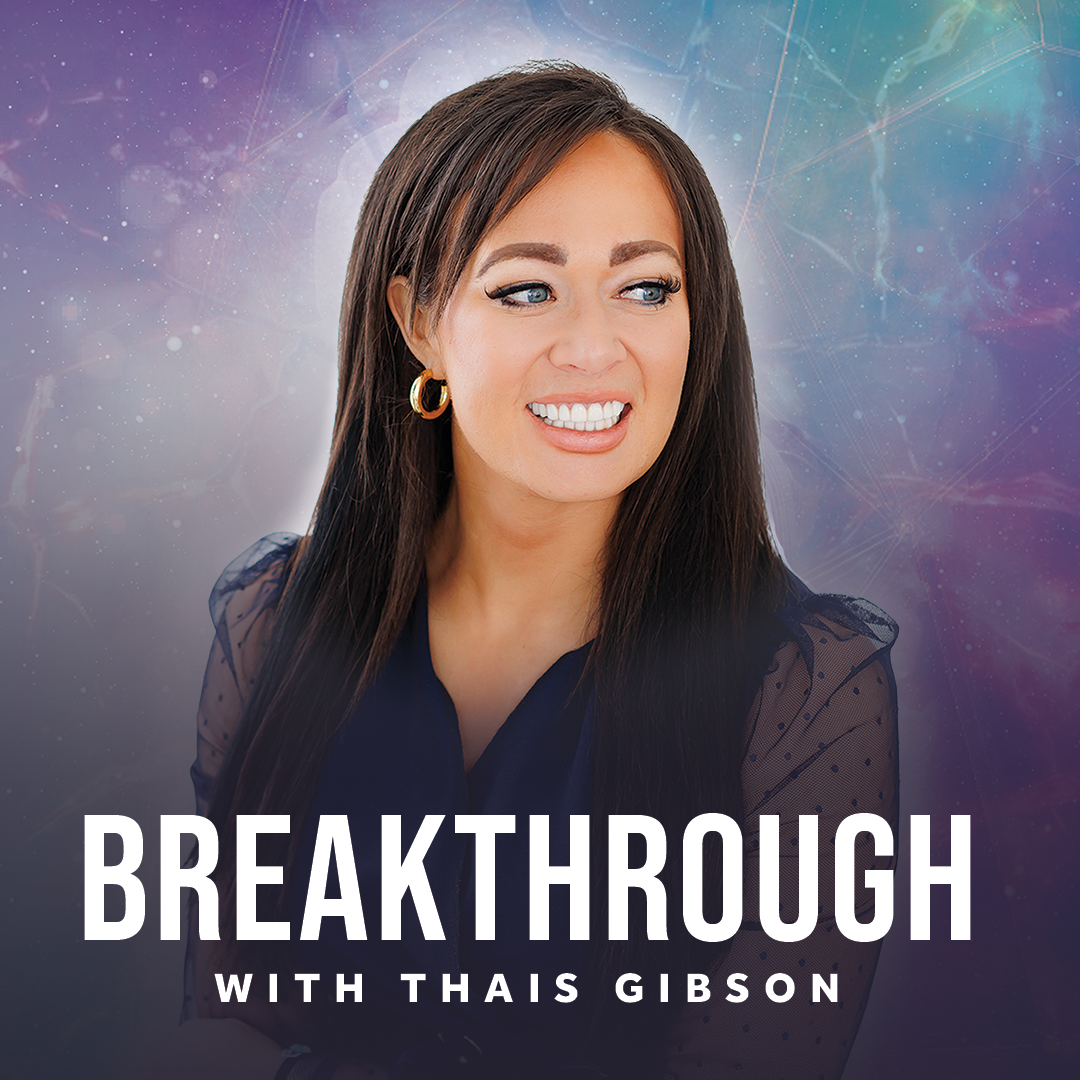
Breakthrough with Thais Gibson Podcast
Thais GibsonAudio
- Format:
- Podcast
- New episodes:
- Several times a week
- Typical length:
- about 10 minutes
- Latest episode:
About this show
Breakthrough with Thais Gibson is a podcast featuring live coaching and transformational conversations rooted in Integrated Attachment Theory. In each episode, Thais works directly with guests to uncover subconscious patterns, heal attachment wounds, and create meaningful emotional breakthroughs. Through vulnerable storytelling, practical tools, and deep emotional insight, listeners gain a powerful window into the healing process and learn how to build healthier relationships with themselves and others.
Show details and episodes come from the publisher's public feed at rss.introcast.io. Last updated . Names, artwork and text belong to their publishers.
Cosmos
Similar by topic and creator
- Foundations of Amateur Radio
Shares the topic Education. - PBS Space Time
Shares the topic Education. - What Happens Next in 6 Minutes
Shares the topic Education.
Similar shows






Episodes
Why Anxious Attachment Always Expects the Worst
· 1 hr 16 min
Access Our Emotional Mastery and Belief Reprogramming Course Mentioned in This Episode FREE for 7 Days With a Trial to the Personal Development School: https://attachment.personaldevelopmentschool.com/dream-life?utm_source=podcast&utm_campaign=7-day-trial&utm_medium=organic&utm_content=yt-10-09-26&el=podcast Have you ever found yourself constantly worrying that something bad might happen to someone you love, even when everything in your life seems perfectly fine? Do you struggle with health anxiety, fear of loss, or a need for certainty that you just can't seem to shake? What if these fears aren't random, but are connected to subconscious core wounds you've been carrying since early childhood? In this deeply personal and transformative episode, Thais Gibson sits down with Josie Santi for an emotional exploration of Anxious Attachment, subconscious programming, health anxiety, and the hidden fears that can shape our relationships and sense of safety. Josie opens up about her experiences with anxiety, perfectionism, fear of losing loved ones, and the need to feel safe and in control. Together, Thais and Josie explore how early childhood experiences may contribute to deeply rooted fears of abandonment and uncertainty, even when someone grows up surrounded by love and emotional support. If you've ever struggled with catastrophic thinking, worried excessively about your health or loved ones, or felt like you intellectually understand your anxiety but can't seem to stop feeling it, this conversation offers a compassionate perspective and practical tools for beginning to shift those patterns. IN THIS EPISODE, YOU'LL LEARN: - How Anxious Attachment can manifest as health anxiety, fear of loss, and catastrophic thinking - Why early childhood experiences may influence subconscious beliefs about safety, abandonment, and connection - The connection between perfectionism, people-pleasing, and the fear of not being good enough - Why you can feel deeply loved in your relationships and still struggle with the fear of losing the people closest to you TIMESTAMPS: 00:00 – How Early Childhood Experiences Shape Subconscious Beliefs 01:23 – Meet Josie Santi: Her Story and Personal Growth Journey 04:33 – Exploring the Roots of Anxiety and Perfectionism 08:05 – Recognizing Anxious Attachment and the Fear of Losing Loved Ones 12:10 – How Abandonment Wounds Can Show Up as Health Anxiety 15:30 – Why Early Emotional Imprints Can Influence Your Sense of Safety 18:37 – How Subconscious Reprogramming and Neuroplasticity Work 24:20 – Rewiring the Core Wound of Feeling Unsafe 34:17 – Finding Certainty Through Self-Trust, Meaning, and Resilience 46:00 – Building Emotional Security Through Supportive Relationships 58:50 – The 63-Day Subconscious Reprogramming Exercise 01:03:35 – How to Interrupt Catastrophic Thinking and Reframe Anxiety Connect with Josie Santi: Instagram: https://www.instagram.com/josie.santi/ Website: https://josiesanti.com/ The Everygirl: https://theeverygirl.com/contributor/josie-santi/ Meet Thais Thais Gibson, PhD, is a Best-Selling Author, Pastoral Counselor, Relationship Coach, and the founder of The Personal Development School (PDS). Between 2013 and 2019, she developed Integrated Attachment Theory® (IAT), the Six-Step Method to Becoming Secure, a framework rooted in neuroscience, attachment theory, psychology, and spirituality, trademarked in October 2021. IAT works across six pillars: ✔ Rewire Your Attachment Core Wounds ✔ Learn Your Attachment Needs ✔ Regulate Your Nervous System Somatically ✔ Learn Healthy Boundaries ✔ Improve Communication ✔ Rewire Your Unhealthy Protest Behaviors Since opening in 2020, PDS has grown to serve over 70,000 students in 145 countries, achieving a 97% satisfaction rate and helping people reprogram their subconscious patterns and build thriving, secure relationships. Helpful Resources: 🧠 Take the Free Attachment Style Quiz…
Not rated yetWhy Fearful Avoidants Suddenly Explode
· 6 min
Learn Somatic Tools to Regulate Emotions, Heal Triggers & Calm Your Nervous System: https://attachment.personaldevelopmentschool.com/somatic-attachment-healing?utm_source=podcast&utm_campaign=somatic-attachment-healing&utm_medium=organic&utm_content=yt-10-09-26&el=podcast Do you have moments when your emotions feel overwhelming, you suddenly become frustrated or reactive, or you say something you later regret? If you have a Fearful Avoidant Attachment Style (also known as Disorganized Attachment), you may find yourself struggling with emotional volatility, intense triggers, or a cycle of anger followed by guilt and self-criticism. But what if these emotional reactions aren't coming out of nowhere? What if they're actually the result of unmet needs, subconscious core wounds, and nervous system dysregulation? In this episode, Thais Gibson explores 3 major reasons Fearful Avoidants may struggle with emotional volatility and strong emotions, and how understanding these patterns can help you respond to triggers in healthier, more secure ways. Thais explains how Fearful Avoidants often struggle to recognize or communicate their needs because of past experiences where those needs weren't consistently met. Over time, unexpressed needs can build into frustration, resentment, and emotional overwhelm. She also explores how subconscious stories, such as "I don't matter," "I'm not cared for," or "I'm not worthy of having my needs met," can intensify emotional reactions and cause us to interpret present-day situations through the lens of past experiences. Finally, Thais shares why nervous system regulation and reconnecting with your emotions are essential for recognizing triggers before they escalate, expressing your needs more effectively, and breaking the cycle of emotional reactivity and shame. Whether you're a Fearful Avoidant working toward Secure Attachment or someone who loves a Fearful Avoidant, this episode offers compassionate insights and practical steps to help you better understand emotional volatility and develop healthier communication patterns. ✨ IN THIS EPISODE, YOU'LL LEARN: - Why Fearful Avoidants may experience intense emotional reactions, frustration, or emotional volatility - The 3 underlying factors that contribute to emotional overwhelm and reactive behavior - How repeatedly unmet needs can build into resentment, criticism, and emotional outbursts - Why Fearful Avoidants may struggle to ask directly for support, connection, or reassurance - How subconscious core wounds can create negative stories about other people's intentions - The connection between nervous system dysregulation, fight-or-flight responses, and emotional reactivity - How to identify the unmet need hiding underneath criticism or frustration - Practical ways to communicate your needs before emotions become overwhelming - Why reconnecting with your body can help you recognize emotional triggers earlier - How to move away from cycles of emotional volatility, guilt, and self-criticism TIMESTAMPS: 00:00 – Why Fearful Avoidants Struggle With Emotional Volatility 00:47 – Reason #1: Unmet Needs and Built-Up Frustration 01:33 – Why Fearful Avoidants Struggle to Express Their Needs 02:16 – Reason #2: Subconscious Stories and Negative Core Beliefs 03:11 – Reason #3: Nervous System Dysregulation and Emotional Overwhelm 03:28 – Why Emotional Outbursts Can Lead to Guilt and Shame 03:48 – Understanding the Connection Between Triggers and Fight-or-Flight 04:17 – How to Turn Criticism Into Healthy Communication 05:11 – Why Nervous System Regulation Is Essential for Fearful Avoidants 05:26 – How to Recognize Emotions Before They Escalate 06:18 – Healing Emotional Reactivity With Greater Self-Compassion Meet Thais Thais Gibson, PhD, is a Best-Selling Author, Pastoral Counselor, Relationship Coach, and the founder of The Personal Development School (PDS). Between 2013 and 2019, she developed Integrated Attachment Theory® (IAT), the…
Not rated yetRepair Rocky Relationships FAST with These Simple 6 Steps to Become Secure
· 21 min
How To Repair Relationships & Create Lasting Emotional Connection https://offer.personaldevelopmentschool.com/relationship-repair?utm_source=podcast&utm_campaign=relationship-repair&utm_medium=organic&utm_content=pod-10-07-26&el=podcast (https://offer.personaldevelopmentschool.com/relationship-repair?utm_source=podcast&utm_campaign=relationship-repair&utm_medium=organic&utm_content=pod-09-23-26&el=podcast) What does a securely attached relationship actually look and feel like—and how can you begin creating one if healthy relationships weren’t modeled for you growing up? Becoming secure isn’t just about changing how you behave in relationships. It involves transforming the deeper wounds, emotional patterns, unmet needs, boundaries, and coping mechanisms that shape how you connect with yourself and the people you love. In this episode, Thais Gibson breaks down six major pillars of becoming securely attached and explains how each one can transform your relationships. You’ll learn what happens as your triggers become less intense and less frequent, why knowing and communicating your needs is essential for healthy interdependence, and how secure boundaries can help you take up space without pushing others away. Thais also explores how subconscious coping mechanisms—from anxious pursuit to avoidant shutdown—can begin to change as you heal the beliefs and emotional patterns underneath them. As you become more secure, you can build deeper connections where you feel seen, heard, understood, and safe enough to be vulnerable. In This Episode, You’ll Learn: ✔ The six overarching pillars of becoming securely attached ✔ Why triggers can become less intense and less frequent as you heal ✔ How emotional regulation changes your response to difficult situations ✔ Why knowing and meeting your own needs is essential for healthy interdependence ✔ How to become more comfortable communicating your needs to others ✔ Why secure relationships leave room for other people to be imperfect ✔ How to take up space instead of responding with anxious or avoidant coping patterns ✔ The different boundary challenges of Dismissive Avoidant and Anxious Preoccupied attachment styles ✔ Why healthy boundaries should be assertive rather than driven by anger ✔ How subconscious coping behaviors can begin to change as you become secure ✔ Why vulnerability creates deeper, higher-quality emotional connection ✔ How communicating your needs, fears, and boundaries can strengthen trust Timestamps: 00:00 – What Does a Securely Attached Relationship Look Like? 01:01 – The 6 Pillars of Becoming Secure 01:26 – How Your Triggers Change as You Heal 03:15 – Recovering Faster From Emotional Triggers 04:35 – Core Wounds, Emotional Regulation & Your Needs 05:09 – Building a Relationship With Your Needs 05:33 – Communicating Your Needs to Others 07:21 – Allowing People to Be Imperfect 08:39 – Learning to Take Up Space in Relationships 10:37 – What Relationship Triggers Can Teach You 10:56 – Healthy Boundaries & Secure Attachment 11:28 – Dismissive Avoidant vs. Anxious Preoccupied Boundaries 13:14 – How to Set Boundaries Assertively 14:28 – Changing Behavioral Coping Mechanisms 16:34 – Anxious Pursuit & Avoidant Shutdown 18:13 – Conflict, Vulnerability & Deeper Connection 19:39 – Living From the Inside Out 20:26 – How Vulnerability & Consideration Build Trust Meet Thais Thais Gibson, PhD, is a Best-Selling Author, Pastoral Counselor, Relationship Coach, and the founder of The Personal Development School (PDS). Between 2013 and 2019, she developed Integrated Attachment Theory® (IAT), the Six-Step Method to Becoming Secure, a framework rooted in neuroscience, attachment theory, psychology, and spirituality, trademarked in October 2021. IAT works across six pillars: ✔ Rewire Your Attachment Core Wounds ✔ Learn Your Attachment Needs ✔ Regulate Your Nervous System Somatically ✔ Learn Healthy Boundaries ✔ Improve Communication ✔ Rewire Your Unhealthy…
Not rated yetWhen the Fearful Avoidant Realizes You're DONE TRYING, They Do THIS
· 10 min
Repair Any Relationship & Break Through The Power Struggle Phase https://offer.personaldevelopmentschool.com/relationship-repair?utm_source=podcast&utm_campaign=relationship-repair&utm_medium=organic&utm_content=pod-10-05-26&el=podcast What happens when a Fearful Avoidant finally realizes you’re done trying? When someone with a Fearful Avoidant attachment style senses that you’re no longer pursuing them, investing in the relationship, or waiting for them to come back, it can trigger a surprising emotional cycle. Their fear of abandonment may suddenly activate—even if they were previously the one creating distance. In this episode, Thais Gibson breaks down four major stages a Fearful Avoidant may experience when they realize you’re truly pulling away. From abandonment fears and sudden pursuit to nostalgia and eventually rewriting the story of the relationship, you’ll learn what can be happening beneath the confusing hot-and-cold behavior. If you’re a Fearful Avoidant yourself, this episode can also help you recognize the subconscious fears driving these patterns—including fears of abandonment, being trapped, helplessness, and unworthiness—and understand why healing these wounds is essential for creating healthier relationships. In This Episode, You’ll Learn: • Why a Fearful Avoidant’s fear of abandonment can activate when you stop trying • Why Fearful Avoidants can swing from distancing themselves to suddenly pursuing you • Why pursuit doesn’t necessarily mean they’re ready to recommit to the relationship • How the Fearful Avoidant’s anxious and avoidant sides create hot-and-cold behavior • Why Fearful Avoidants may begin reminiscing and idealizing past memories after gaining distance • The questions they may ask themselves after a relationship ends • How subconscious fears of abandonment, entrapment, helplessness, and unworthiness influence relationships • Why Fearful Avoidants may eventually focus on everything that was wrong with the relationship • How healing underlying attachment wounds can help break painful push-pull patterns Timestamps: 00:00 – What Happens When a Fearful Avoidant Knows You’re Done 00:58 – #1: Their Fear of Abandonment Activates 01:44 – The Anxious & Avoidant Sides of the Fearful Avoidant 02:50 – #2: They Swing Into Pursuit 03:28 – Pursuit Doesn’t Always Mean They Want the Relationship Back 04:03 – Thais’ Personal Fearful Avoidant Experience 05:13 – How Push-Pull Patterns Affect Other People 06:20 – How Fearful Avoidant Patterns Spill Into Other Areas of Life 07:24 – #3: Reminiscing & Nostalgia 08:50 – #4: Rewriting the Story 09:39 – How the Fearful Avoidant Finally Moves On Meet Thais Thais Gibson, PhD, is a Best-Selling Author, Pastoral Counselor, Relationship Coach, and the founder of The Personal Development School (PDS). Between 2013 and 2019, she developed Integrated Attachment Theory® (IAT), the Six-Step Method to Becoming Secure, a framework rooted in neuroscience, attachment theory, psychology, and spirituality, trademarked in October 2021. IAT works across six pillars: ✔ Rewire Your Attachment Core Wounds ✔ Learn Your Attachment Needs ✔ Regulate Your Nervous System Somatically ✔ Learn Healthy Boundaries ✔ Improve Communication ✔ Rewire Your Unhealthy Protest Behaviors Since opening in 2020, PDS has grown to serve over 70,000 students in 145 countries, achieving a 97% satisfaction rate and helping people reprogram their subconscious patterns and build thriving, secure relationships. Helpful Resources: 🧠 Take the Free Attachment Style Quiz https://attachment.personaldevelopmentschool.com/?utm_source=podcast&utm_campaign=attachment-quiz&utm_medium=organic&el=podcast 📘 Become an IAT Relationship Coach https://attachment.personaldevelopmentschool.com/iat?utm_source=podcast&utm_campaign=iat&utm_medium=organic&el=podcast 📚 Read the New Attachment Theory Book…
Not rated yetWhy Anxious Attachment & Fearful Avoidants Overanalyze Everything
· 1 hr 9 min
Access Our Courses and the Worksheets Mentioned in This Episode, With a Trial to the Personal Development School: https://attachment.personaldevelopmentschool.com/dream-life?utm_source=podcast&utm_campaign=7-day-trial&utm_medium=organic&utm_content=yt-10-03-26&el=podcast Have you ever walked away from someone who wasn’t showing up for you—only to immediately wonder if you gave up too soon? That guilt doesn’t necessarily mean you made the wrong decision. Sometimes, it comes from a deeply ingrained pattern of putting other people’s feelings, needs, and experiences ahead of your own. In this episode, Thais Gibson sits down with Brian to explore rebuilding trust in relationships, navigating hypervigilance while dating, and learning how to honor your boundaries without weaponizing your empathy against yourself. They unpack why noticing every subtle shift in someone’s behavior can make dating feel exhausting, how over-adapting can lead to self-abandonment, and why healthy relationships require you to consider your own feelings and needs just as much as you consider someone else’s. You’ll also learn practical exercises for working through chronic guilt, strengthening your relationship with your boundaries, and becoming more rooted in yourself while dating. In This Episode, You’ll Learn: • Why hypervigilance can make dating and relationships feel confusing • How to distinguish observation from overanalysis • Why “matching someone’s energy” can pull you away from your authentic self • How empathy can become a trap when you stop considering your own needs • Why repeatedly abandoning your boundaries can reinforce betrayal wounds • How to communicate needs without trying to control another person • Why incompatibility doesn’t mean either person is bad or lacking value • How to recognize when you’ve genuinely tried enough in a relationship • A daily guilt and boundary practice for reducing self-abandonment • How to identify and communicate your core relationship needs TIMESTAMPS 00:00 – When Giving Someone Another Chance Stops Feeling Authentic 01:29 – Why Guilt Doesn’t Mean You Made the Wrong Decision 04:30 – How Hypervigilance Shows Up in Dating 08:37 – How Much Communication Is Reasonable in Early Dating? 16:07 – Why “Matching Their Energy” Can Become a Trap 22:38 – How You Can Weaponize Your Empathy Against Yourself 27:12 – The Connection Between Guilt, Shame, and Abandonment 35:44 – How Self-Betrayal Keeps Betrayal Wounds Alive 38:58 – The Daily Guilt and Boundary Practice 42:11 – 5 Core Needs to Look for in a Relationship 52:18 – When Should You Communicate Your Needs? 56:35 – The Daily Practice for Ending Self-Betrayal Meet Thais Thais Gibson, PhD, is a Best-Selling Author, Pastoral Counselor, Relationship Coach, and the founder of The Personal Development School (PDS). Between 2013 and 2019, she developed Integrated Attachment Theory® (IAT), the Six-Step Method to Becoming Secure, a framework rooted in neuroscience, attachment theory, psychology, and spirituality, trademarked in October 2021. IAT works across six pillars: ✔ Rewire Your Attachment Core Wounds ✔ Learn Your Attachment Needs ✔ Regulate Your Nervous System Somatically ✔ Learn Healthy Boundaries ✔ Improve Communication ✔ Rewire Your Unhealthy Protest Behaviors Since opening in 2020, PDS has grown to serve over 70,000 students in 145 countries, achieving a 97% satisfaction rate and helping people reprogram their subconscious patterns and build thriving, secure relationships. Helpful Resources: 🧠 Take the Free Attachment Style Quiz https://attachment.personaldevelopmentschool.com/?utm_source=podcast&utm_campaign=attachment-quiz&utm_medium=organic&el=podcast 📘 Become an IAT Relationship Coach https://attachment.personaldevelopmentschool.com/iat?utm_source=podcast&utm_campaign=iat&utm_medium=organic&el=podcast 📚 Read the New Attachment Theory Book…
Not rated yetReparenting and Humanizing Yourself Guided Process
· 11 min
Learn Somatic Tools to Regulate Emotions, Heal Triggers & Calm Your Nervous System: https://attachment.personaldevelopmentschool.com/somatic-attachment-healing?utm_source=podcast&utm_campaign=somatic-attachment-healing&utm_medium=organic&utm_content=yt-10-02-26&el=podcast Do you find yourself criticizing, judging, or shaming yourself when you make a mistake? Sometimes, the way we speak to ourselves can reinforce a painful punishment-and-reward cycle, where we only allow ourselves to feel good enough when we believe we’ve done something “right.” In this guided process, Thais Gibson takes you through an exercise designed to help you reconnect with yourself, practice self-compassion, and begin humanizing yourself again. Rather than simply judging yourself for a mistake or regret, you’ll be guided to look beneath the surface. You’ll explore the emotions, beliefs, fears, and patterns that may have contributed to what happened, and practice seeing yourself with greater empathy and understanding. This process isn’t about avoiding accountability. It’s about learning how to take responsibility while also recognizing what was happening internally, so you can understand what needs healing and approach growth from a place of compassion rather than shame. You’ll Learn: ❤️ How self-judgment can affect your relationship with yourself ❤️ How to notice emotions and sensations connected to a difficult memory ❤️ How to explore the beliefs, fears, and patterns behind past mistakes ❤️ How to see yourself from a more compassionate perspective ❤️ How to replace shame and harsh self-talk with empathy ❤️ How to identify what you may need to heal or work on moving forward ❤️ How self-compassion and accountability can exist together Timestamps: 00:00 — What Is a Guided Process? 00:26 — Reparenting & Humanizing Yourself 00:57 — Breaking the Cycle of Self-Criticism 01:48 — Compassion, Accountability & Growth 02:47 — Guided Process Begins 03:26 — Revisiting a Mistake or Regret 03:55 — Noticing Your Emotions & Body Sensations 04:45 — Recognizing Self-Judgment 05:49 — Understanding What Led to the Mistake 06:32 — Exploring Your Thoughts & Beliefs 07:12 — Seeing Yourself as a Human Being 07:54 — Practicing Empathy Toward Yourself 08:10 — Choosing Compassion Over Shame 09:11 — What Do You Need From Yourself? 09:43 — Taking Responsibility at the Root 10:13 — Identifying What You Can Improve 10:56 — A Final Moment of Self-Compassion Meet Thais Thais Gibson, PhD, is a Best-Selling Author, Pastoral Counselor, Relationship Coach, and the founder of The Personal Development School (PDS). Between 2013 and 2019, she developed Integrated Attachment Theory® (IAT), the Six-Step Method to Becoming Secure, a framework rooted in neuroscience, attachment theory, psychology, and spirituality, trademarked in October 2021. IAT works across six pillars: ✔ Rewire Your Attachment Core Wounds ✔ Learn Your Attachment Needs ✔ Regulate Your Nervous System Somatically ✔ Learn Healthy Boundaries ✔ Improve Communication ✔ Rewire Your Unhealthy Protest Behaviors Since opening in 2020, PDS has grown to serve over 70,000 students in 145 countries, achieving a 97% satisfaction rate and helping people reprogram their subconscious patterns and build thriving, secure relationships. Helpful Resources: 🧠 Take the Free Attachment Style Quiz https://attachment.personaldevelopmentschool.com/?utm_source=podcast&utm_campaign=attachment-quiz&utm_medium=organic&el=podcast 📘 Become an IAT Relationship Coach https://attachment.personaldevelopmentschool.com/iat?utm_source=podcast&utm_campaign=iat&utm_medium=organic&el=podcast 📚 Read the New Attachment Theory Book https://attachment.personaldevelopmentschool.com/book/the-new-attachment-theory?utm_source=podcast&utm_campaign=the-new-attachment-theory&utm_medium=organic&el=podcast 🎧 Discover Podcast Episodes…
Not rated yetFearful Avoidants and Reparenting Your Wounded Needs
· 13 min
Start Healing Core Wounds with Our Reparent Your Inner Child Course, Free with a 7-Day Trial to the Personal Development School https://offer.personaldevelopmentschool.com/reparenting-your-inner-child?utm_source=podcast&utm_campaign=reparenting-your-inner-child&utm_medium=organic&utm_content=pod-09-30-26&el=podcast Why can certain relationship triggers feel so overwhelming for a Fearful Avoidant—and why can the instinct to shut down, get angry, or push someone away feel almost impossible to control? Often, underneath these reactions are deeply wounded and unmet needs that have never been fully resolved. In this episode, Thais Gibson explores the Fearful Avoidant attachment style and the process of reparenting wounded needs. You’ll learn how unmet childhood needs can create coping mechanisms that continue into adulthood, why certain triggers can make you feel younger or more emotionally reactive, and how these patterns may contribute to relationship self-sabotage. Thais breaks down some of the Fearful Avoidant’s most significant needs—including safety, trust, feeling seen, heard, understood, worthy of love, and having freedom and autonomy. She also explains why the moments when you most want to push someone away can point toward a deeper wound asking for your attention. Most importantly, you’ll learn how to turn inward and begin meeting these needs in your relationship with yourself so you can create greater self-trust, self-compassion, and healthier relationship patterns. In This Episode, You’ll Learn: ✔ How deeply unmet needs can create coping mechanisms ✔ Why unresolved needs can make emotional reactions feel young, desperate, or childlike ✔ The Fearful Avoidant’s wounded needs for safety and trust ✔ Why feeling seen, heard, understood, and worthy of love can be especially important ✔ The Fearful Avoidant’s need for freedom and autonomy ✔ Why intense anger, hurt, resentment, and abandonment fears can signal wounded needs ✔ Why pushing someone away can actually be an attempt to push emotional pain away ✔ How breaking trust with yourself can magnify trust wounds with other people ✔ Why relying entirely on another person to heal your unmet needs can create unhealthy patterns ✔ How to identify where you may be abandoning or betraying yourself ✔ How tracking your daily behaviors can reveal wounds and unmet needs ✔ How to identify what you desperately want from others and begin giving it to yourself ✔ Why self-compassion and a healthier internal dialogue are important parts of reparenting ✔ How to identify the unmet need underneath your urge to push someone away Timestamps: 00:00 – Fearful Avoidants & Reparenting Wounded Needs 00:44 – How Unmet Needs Create Coping Mechanisms 01:29 – Why Wounded Needs Can Make You Feel Younger 02:24 – Safety & Trust as Wounded Needs 03:25 – Feeling Seen, Heard, Understood & Worthy of Love 04:37 – The Need for Freedom & Autonomy 04:46 – How to Recognize Your Wounded Needs 05:37 – Why Fearful Avoidants Push People Away 06:18 – The Pain Underneath Anger & Shutdown 07:03 – What Your Deepest Triggers Are Showing You 07:47 – Rebuilding Trust With Yourself 09:10 – Why Healing Has to Begin Within 10:15 – Questions to Identify Your Core Wounds 10:58 – Tracking Your Behaviors & Unmet Needs 11:28 – What Do You Deeply Desire From Others? 12:09 – Reparenting Through Self-Compassion 12:52 – Finding the Need Beneath Pushing Someone Away Meet Thais Thais Gibson, PhD, is a Best-Selling Author, Pastoral Counselor, Relationship Coach, and the founder of The Personal Development School (PDS). Between 2013 and 2019, she developed Integrated Attachment Theory® (IAT), the Six-Step Method to Becoming Secure, a framework rooted in neuroscience, attachment theory, psychology, and spirituality, trademarked in October 2021. IAT works across six pillars: ✔ Rewire Your Attachment Core Wounds ✔ Learn Your Attachment Needs ✔ Regulate Your Nervous System Somatically ✔ Learn Healthy…
Not rated yetWhy Reparenting Your Inner Child is So Important
· 14 min
Start Healing Core Wounds with Our Reparent Your Inner Child Course, Free with a 7-Day Trial to the Personal Development School https://offer.personaldevelopmentschool.com/reparenting-your-inner-child?utm_source=podcast&utm_campaign=reparenting-your-inner-child&utm_medium=organic&utm_content=pod-09-28-26&el=podcast Have you ever noticed that certain emotional triggers make you suddenly feel younger, overwhelmed, or unsure how to meet your own needs? When important needs go unmet in childhood, we may grow into adulthood without developing the emotional skills, boundaries, or self-connection needed in those specific areas. That’s where reparenting can become an important part of the healing process. In this episode, Thais Gibson explores what reparenting means, how childhood parenting experiences can influence our adult patterns, and how we can begin showing up for the wounded parts of ourselves differently. Thais explains how this can look across attachment styles. A Dismissive Avoidant who experienced emotional neglect may struggle to identify, process, or communicate their feelings. An Anxious Preoccupied individual with abandonment wounds may repeatedly abandon their own feelings and needs while focusing on everyone else. You’ll also learn a practical starting point for reparenting: using emotional triggers and unwanted behavioral patterns as feedback. By identifying what you feel, where you feel it in your body, what need is underneath the emotion, and how you can meet that need in a healthier way, you can begin building the skills that may have been missing earlier in life. In This Episode, You’ll Learn: ✔ What reparenting means and how it relates to unmet childhood needs ✔ Why certain parts of our emotional development can feel “stuck” around old wounds ✔ How childhood experiences can influence the way we treat ourselves as adults ✔ How emotional neglect can affect a Dismissive Avoidant’s relationship with their emotions ✔ How abandonment wounds can influence an Anxious Preoccupied individual’s relationship with their own needs ✔ Why childhood modeling can shape subconscious relationship patterns ✔ The four major parenting styles discussed in the episode ✔ Why emotional pain can be used as feedback for healing ✔ Why a secure partner or therapist cannot replace the work of learning to meet your own needs ✔ How to recognize, label, and locate emotions in your body ✔ How to uncover the unmet need underneath an emotional trigger ✔ Why self-sabotaging behaviors may have started as survival behaviors ✔ How to replace outdated coping patterns with healthier ways of meeting your needs Timestamps: 00:00 – Reparenting & Childhood Parenting Styles 00:59 – What Is Reparenting? 01:41 – Learning to Reparent Yourself 02:28 – How Unmet Childhood Needs Affect Adult Growth 03:17 – Dismissive Avoidant Attachment & Emotional Neglect 05:04 – Reparenting Emotional Wounds 05:24 – Anxious Preoccupied Attachment & Abandonment 06:59 – How Childhood Modeling Shapes Our Patterns 08:07 – Why Old Wounds Can Make You Feel Like a Child 08:43 – The 4 Major Parenting Styles 10:25 – Using Emotional Pain as Feedback 11:14 – Can a Secure Relationship Help You Heal? 11:37 – Why You Still Need to Reparent Yourself 12:23 – A Practical Reparenting Exercise 13:19 – Identify the Need Beneath the Trigger 13:30 – Self-Sabotaging Behaviors as Survival Strategies 14:07 – Behaviors, Unmet Needs & Reparenting Meet Thais Thais Gibson, PhD, is a Best-Selling Author, Pastoral Counselor, Relationship Coach, and the founder of The Personal Development School (PDS). Between 2013 and 2019, she developed Integrated Attachment Theory® (IAT), the Six-Step Method to Becoming Secure, a framework rooted in neuroscience, attachment theory, psychology, and spirituality, trademarked in October 2021. IAT works across six pillars: ✔ Rewire Your Attachment Core Wounds ✔ Learn Your Attachment Needs ✔ Regulate Your Nervous System Somatically ✔…
Not rated yetHow To Spot A Fake Apology | Sincere Apology & Repair Any Relationship
· 10 min
How To Repair Relationships & Create Lasting Emotional Connection https://offer.personaldevelopmentschool.com/relationship-repair?utm_source=podcast&utm_campaign=relationship-repair&utm_medium=organic&utm_content=pod-09-25-26&el=podcast Have you ever received an apology that sounded like the right words—but somehow still didn’t feel sincere? Maybe you heard, “I’m sorry you feel that way,” a dismissive “Sorry, can we move on?” or an apology immediately followed by blame. These responses can leave you feeling unheard, misunderstood, and even more disconnected than before the conversation began. In this episode, Thais Gibson breaks down five types of apologies that can feel emotionally manipulative or insincere, why people may communicate this way, and what a healthy apology actually looks like. You’ll learn why a sincere apology requires more than simply saying “sorry.” Thais explains the importance of acknowledging emotions, becoming genuinely curious about the other person’s experience, and finding a solution that addresses the underlying problem. She also shares how to validate someone’s feelings without accepting unhealthy behavior—and how to set boundaries that support healthier communication going forward. In This Episode, You’ll Learn: ✔ 5 common types of emotionally manipulative or insincere apologies ✔ Why “I’m sorry you feel that way” can feel invalidating and deflect responsibility ✔ How Avoidant Attachment patterns can sometimes turn “sorry” into a way of escaping conflict ✔ Why “Sorry, but you…” prevents both sides of a conflict from being properly resolved ✔ How to respond when someone uses your past behavior to justify hurting you ✔ Why an apology delivered with attitude usually fails to repair emotional connection ✔ Why unresolved conflicts from the past tend to keep resurfacing ✔ How to acknowledge someone’s emotions without accepting unhealthy behavior ✔ The key ingredients that make an apology feel sincere ✔ How curiosity, understanding, boundaries, and solutions can help repair a relationship Timestamps: 00:00 – Why Some Apologies Don’t Feel Sincere 01:10 – #1: “I’m Sorry You Feel That Way” 02:45 – #2: Saying Sorry to Avoid the Conflict 04:01 – #3: “Sorry, But You…” 05:17 – How to Respond to Blame During an Apology 05:59 – #4: Saying Sorry With an Attitude 06:30 – A Healthier Way to Respond During Conflict 06:53 – #5: “Forget About the Past” 07:37 – What a Healthy Apology Actually Looks Like 07:39 – Acknowledge the Other Person’s Feelings 08:08 – Validating Feelings While Maintaining Boundaries 09:08 – Curiosity, Understanding & Finding a Solution 09:36 – Resolving a Two-Way Conflict Meet Thais Thais Gibson, PhD, is a Best-Selling Author, Pastoral Counselor, Relationship Coach, and the founder of The Personal Development School (PDS). Between 2013 and 2019, she developed Integrated Attachment Theory® (IAT), the Six-Step Method to Becoming Secure, a framework rooted in neuroscience, attachment theory, psychology, and spirituality, trademarked in October 2021. IAT works across six pillars: ✔ Rewire Your Attachment Core Wounds ✔ Learn Your Attachment Needs ✔ Regulate Your Nervous System Somatically ✔ Learn Healthy Boundaries ✔ Improve Communication ✔ Rewire Your Unhealthy Protest Behaviors Since opening in 2020, PDS has grown to serve over 70,000 students in 145 countries, achieving a 97% satisfaction rate and helping people reprogram their subconscious patterns and build thriving, secure relationships. Helpful Resources: 🧠 Take the Free Attachment Style Quiz https://attachment.personaldevelopmentschool.com/?utm_source=podcast&utm_campaign=attachment-quiz&utm_medium=organic&el=podcast 📘 Become an IAT Relationship Coach https://attachment.personaldevelopmentschool.com/iat?utm_source=podcast&utm_campaign=iat&utm_medium=organic&el=podcast 📚 Read the New Attachment Theory Book…
Not rated yetHow Anxious Attachment Can Start in Childhood
· 39 min
What if raising emotionally healthy children begins not with changing them, but with becoming more conscious of ourselves? In this powerful conversation, Dr. Shefali, clinical psychologist, New York Times bestselling author, and founder of the Conscious Parenting movement, joins us to explore a different way of raising the next generation. With the launch of her new books, Raising Conscious Daughters and Raising Conscious Sons, Dr. Shefali examines the unique pressures facing girls and boys today, from perfectionism, people-pleasing, and body image to emotional suppression, loneliness, digital immersion, and changing ideas of masculinity. She shares why conscious parenting begins with examining our own fears, expectations, and unresolved emotional patterns, and how easily those patterns can be projected onto our children. Instead of trying to mold children into who we think they should become, Dr. Shefali encourages parents to listen, attune, and create the safety children need to discover who they already are. We also explore the impact of social media, gaming, AI, and constant digital stimulation; why children sometimes disconnect from their authentic selves to maintain connection with their parents; how boys and girls may express emotional struggles differently; and why presence, validation, play, boundaries, and genuine connection matter more than perfection. Whether you’re raising a daughter, a son, or simply want to better understand the emotional world of the next generation, this conversation offers a compassionate invitation to rethink what it means to parent consciously. In this episode, you’ll learn: • Why conscious parenting starts with the parent’s own inner work • How expectations can unintentionally disconnect children from their authentic selves • Why girls may turn toward perfectionism and approval, while boys may hide vulnerability or withdraw • How digital culture is changing the emotional landscape of childhood • Ways to help children develop confidence, boundaries, resilience, and inner authority • Why connection before correction can transform the parent-child relationship • How parents can reconnect with their children, even when they wish they had started sooner • Why play, boredom, autonomy, and emotional safety remain essential parts of childhood Get Dr. Shefali’s new books: Raising Conscious Daughters & Raising Conscious Sons https://www.drshefali.com/raisingconscious-daughters-sons/ About Dr. Shefali: Dr. Shefali is a clinical psychologist, a New York Times bestselling author, and the founder of the Conscious Parenting movement, redefining how families understand selfhood, connection, and the inner life of children. She works where psychology meets consciousness, tracing the hidden forces that shape identity, relationships, and the way we inhabit the world. Trained at Columbia University, she has spent decades guiding families to move beyond patterns of control and fear toward presence and authenticity. #DrShefali #ConsciousParenting #RaisingConsciousDaughters #RaisingConsciousSons #Parenting #ParentingTips #EmotionalIntelligence #ConsciousParent
Not rated yetThe Secret Ingredient to Repairing Trust
· 6 min
How To Repair Relationships & Create Lasting Emotional Connection https://offer.personaldevelopmentschool.com/relationship-repair?utm_source=podcast&utm_campaign=relationship-repair&utm_medium=organic&utm_content=pod-09-21-26&el=podcast (https://offer.personaldevelopmentschool.com/relationship-repair?utm_source=podcast&utm_campaign=relationship-repair&utm_medium=organic&utm_content=pod-09-18-26&el=podcast) What if rebuilding trust in your relationships isn’t only about learning to trust other people—but also about rebuilding trust with yourself? Trust can erode when someone repeatedly breaks promises, fails to follow through, or doesn’t consider our needs. But sometimes, our past relationship experiences can also shape an internal “trust baseline,” causing us to expect abandonment, dishonesty, betrayal, or vulnerability to be unsafe—even when a current relationship isn’t repeating those patterns. In this episode, Thais Gibson reveals an often-overlooked ingredient in repairing trust: the relationship you have with yourself. You’ll learn how broken self-trust can show up through ignored boundaries, unmet needs, lack of follow-through, negative self-talk, and even avoiding truths you know you need to face. Thais also shares a practical exercise for identifying where your biggest trust triggers with others may point toward areas where you need to rebuild trust within yourself. In This Episode, You’ll Learn: ✔ Why congruency and consideration are essential components of trust ✔ How past experiences can shape your internal trust baseline ✔ How trust wounds can differ across attachment styles ✔ The connection between distrust of others and broken self-trust ✔ How ignoring your boundaries and needs can erode trust in yourself ✔ Why keeping promises to yourself matters ✔ How negative self-talk can become a breach of self-trust ✔ A simple exercise for uncovering areas where self-trust needs repair ✔ How stronger self-trust can help you respond differently when others violate your trust Timestamps: 00:00 – The Hidden Ingredient to Rebuilding Trust 00:24 – How Trust Breaks Down in Relationships 01:04 – Reprogramming Your Internal Trust Baseline 01:59 – Trust Wounds Across Attachment Styles 02:51 – The Overlooked Role of Self-Trust 03:34 – Boundaries, Needs & Breaking Your Own Trust 04:30 – Building Congruency With Yourself 05:21 – An Exercise for Identifying Broken Self-Trust 06:03 – How Self-Trust Helps You Feel Safer in Relationships Meet Thais Thais Gibson, PhD, is a Best-Selling Author, Pastoral Counselor, Relationship Coach, and the founder of The Personal Development School (PDS). Between 2013 and 2019, she developed Integrated Attachment Theory® (IAT), the Six-Step Method to Becoming Secure, a framework rooted in neuroscience, attachment theory, psychology, and spirituality, trademarked in October 2021. IAT works across six pillars: ✔ Rewire Your Attachment Core Wounds ✔ Learn Your Attachment Needs ✔ Regulate Your Nervous System Somatically ✔ Learn Healthy Boundaries ✔ Improve Communication ✔ Rewire Your Unhealthy Protest Behaviors Since opening in 2020, PDS has grown to serve over 70,000 students in 145 countries, achieving a 97% satisfaction rate and helping people reprogram their subconscious patterns and build thriving, secure relationships. Helpful Resources: 🧠 Take the Free Attachment Style Quiz https://attachment.personaldevelopmentschool.com/?utm_source=podcast&utm_campaign=attachment-quiz&utm_medium=organic&el=podcast 📘 Become an IAT Relationship Coach https://attachment.personaldevelopmentschool.com/iat?utm_source=podcast&utm_campaign=iat&utm_medium=organic&el=podcast 📚 Read the New Attachment Theory Book https://attachment.personaldevelopmentschool.com/book/the-new-attachment-theory?utm_source=podcast&utm_campaign=the-new-attachment-theory&utm_medium=organic&el=podcast 🎧 Discover Podcast Episodes…
Not rated yetRepairing Your Relationship - Anxious Preoccupied & Dismissive Avoidant | Attachment Styles
· 9 min
How To Repair Relationships & Create Lasting Emotional Connection https://offer.personaldevelopmentschool.com/relationship-repair?utm_source=podcast&utm_campaign=relationship-repair&utm_medium=organic&utm_content=pod-09-18-26&el=podcast When an Anxious Preoccupied and Dismissive Avoidant come together, their different attachment patterns can create challenges that leave both partners feeling misunderstood. So, how can you begin repairing the relationship and move toward a healthier, more secure connection? In this episode, Thais Gibson explores relationship repair through the lens of Anxious Preoccupied and Dismissive Avoidant attachment styles. Discover how understanding your attachment patterns can give you greater insight into the dynamics playing out between you and your partner—and help you approach your relationship with more awareness. Whether you identify as Anxious Preoccupied, Dismissive Avoidant, or you’re trying to better understand someone you love, this episode offers an attachment-focused perspective on repairing your relationship and creating a healthier dynamic. In This Episode: ✔ Anxious Preoccupied & Dismissive Avoidant attachment dynamics ✔ Understanding your attachment patterns in relationships ✔ Recognizing the differences between these two attachment styles ✔ Looking at relationship challenges through the lens of attachment ✔ Moving toward healthier, more secure relationship patterns ✔ Building greater awareness in your relationship Meet Thais Thais Gibson, PhD, is a Best-Selling Author, Pastoral Counselor, Relationship Coach, and the founder of The Personal Development School (PDS). Between 2013 and 2019, she developed Integrated Attachment Theory® (IAT), the Six-Step Method to Becoming Secure, a framework rooted in neuroscience, attachment theory, psychology, and spirituality, trademarked in October 2021. IAT works across six pillars: ✔ Rewire Your Attachment Core Wounds ✔ Learn Your Attachment Needs ✔ Regulate Your Nervous System Somatically ✔ Learn Healthy Boundaries ✔ Improve Communication ✔ Rewire Your Unhealthy Protest Behaviors Since opening in 2020, PDS has grown to serve over 70,000 students in 145 countries, achieving a 97% satisfaction rate and helping people reprogram their subconscious patterns and build thriving, secure relationships. Helpful Resources: 🧠 Take the Free Attachment Style Quiz https://attachment.personaldevelopmentschool.com/?utm_source=podcast&utm_campaign=attachment-quiz&utm_medium=organic&el=podcast 📘 Become an IAT Relationship Coach https://attachment.personaldevelopmentschool.com/iat?utm_source=podcast&utm_campaign=iat&utm_medium=organic&el=podcast 📚 Read the New Attachment Theory Book https://attachment.personaldevelopmentschool.com/book/the-new-attachment-theory?utm_source=podcast&utm_campaign=the-new-attachment-theory&utm_medium=organic&el=podcast 🎧 Discover Podcast Episodes https://attachment.personaldevelopmentschool.com/podcast?utm_source=podcast&utm_campaign=podcast-page&utm_medium=organic&el=podcast 📝 Read the PDS Blog https://blog.personaldevelopmentschool.com/ Let’s Connect on Socials: 📸 Instagram: https://www.instagram.com/thepersonaldevelopmentschool/ 📘 Facebook: https://www.facebook.com/ThePersonalDevelopmentSchool 🎵 TikTok: https://www.tiktok.com/@thaisgibson 💼 LinkedIn: https://www.linkedin.com/company/thepersonaldevelopmentschool/ #AnxiousPreoccupied #DismissiveAvoidant #AttachmentStyles #AttachmentTheory #AvoidantAttachment #AnxiousAttachment #RelationshipAdvice #HealthyRelationships #PersonalDevelopmentSchool
Not rated yetWhy Fearful Avoidants Can’t Let Go of Betrayal
· 59 min
Activate Your 7-day Free Trial and Instantly Unlock the Repair Trust & Overcome the Fear of Abandonment Course, Yours to Keep for Life: https://offer.personaldevelopmentschool.com/repair-trust?utm_source=podcast&utm_campaign=relationship-repair&utm_medium=organic&utm_content=pod-09-16-26&el=podcast Have you ever forgiven someone… but still felt resentment every time you were around them? When someone you deeply trust lies, betrays you, or makes a choice that feels completely out of alignment with the person you thought they were, an apology may not be enough to make the relationship feel safe again. In this conversation, Thais Gibson sits down with Victoria Garrick Browne to explore what it actually takes to heal after betrayal, let go of longstanding resentment, and rebuild trust in a close relationship. They unpack why acknowledgment and accountability are only the beginning of repair, why understanding the context behind someone’s actions matters, and how trust is rebuilt through consistent behavior over time, not simply through saying “I’m sorry.” You’ll also discover how betrayal can lead you to question your own intuition, suppress your feelings, or grieve the future you thought you were going to have with someone. Thais explains why healing often begins by identifying where you may still be abandoning your own feelings, needs, boundaries, or truth. In this episode, you’ll learn: • Why some apologies still leave you feeling unresolved • The Four C’s of trust: Congruency, Consideration, Consistency, and Context • Why accountability is different from true relationship repair • How to communicate what you need after a betrayal • How to stop betraying yourself after someone else betrays you • Why you may be grieving the fantasy of a relationship—not only the relationship itself • How values and character changes can affect emotional safety • How trust can be rebuilt gradually through consistent actions TIMESTAMPS: 00:00 – Healing Grudges and Resentment 05:19 – How to Resolve Conflict After Betrayal 08:07 – The Four C’s of Trust 11:52 – Why Accountability Alone Isn’t Enough 31:27 – When a Relationship Changes After Trust Is Broken 36:11 – Are You Still Betraying Yourself? 46:19 – What Genuine Relationship Repair Looks Like 52:49 – Grieving the Future You Thought You’d Have 58:33 – The Five Levels of Closeness and Rebuilding Trust ABOUT VICTORIA GARRICK BROWNE: Victoria Garrick Browne is the host of Inner Childish. Connect with Victoria and explore more of her work below: Inner Childish: https://open.spotify.com/show/0RFZBETSom9yZQbkv1ZIYO?si=5fb89a0ae5bf47db Victoria Garrick Browne on Instagram: https://www.instagram.com/victoriagarrickbrowne/ Meet Thais Thais Gibson, PhD, is a Best-Selling Author, Pastoral Counselor, Relationship Coach, and the founder of The Personal Development School (PDS). Between 2013 and 2019, she developed Integrated Attachment Theory® (IAT), the Six-Step Method to Becoming Secure, a framework rooted in neuroscience, attachment theory, psychology, and spirituality, trademarked in October 2021. IAT works across six pillars: ✔ Rewire Your Attachment Core Wounds ✔ Learn Your Attachment Needs ✔ Regulate Your Nervous System Somatically ✔ Learn Healthy Boundaries ✔ Improve Communication ✔ Rewire Your Unhealthy Protest Behaviors Since opening in 2020, PDS has grown to serve over 70,000 students in 145 countries, achieving a 97% satisfaction rate and helping people reprogram their subconscious patterns and build thriving, secure relationships. Helpful Resources: 🧠 Take the Free Attachment Style Quiz https://attachment.personaldevelopmentschool.com/?utm_source=podcast&utm_campaign=attachment-quiz&utm_medium=organic&el=podcast 📘 Become an IAT Relationship Coach https://attachment.personaldevelopmentschool.com/iat?utm_source=podcast&utm_campaign=iat&utm_medium=organic&el=podcast 📚 Read the New Attachment Theory Book…
Not rated yetDismissive Avoidant Attachment & Counterdependency (Not Codependency)
· 11 min
End Codependency & Build Healthy, Balanced Relationships https://attachment.personaldevelopmentschool.com/dream-life-codependency-course?utm_source=podcast&utm_campaign=dream-life-codependency-course&utm_medium=organic&utm_content=pod-09-14-26&el=podcast (https://attachment.personaldevelopmentschool.com/dream-life-codependency-course?utm_source=podcast&utm_campaign=dream-life-codependency-course&utm_medium=organic&utm_term=VIDEOID&utm_content=pod-MM-DD-YY&el=podcast) Have you ever wondered why some people push away love, closeness, and vulnerability—even when part of them deeply wants connection? In this episode, Thais Gibson explores counterdependency and how it can show up in Dismissive Avoidant and Fearful Avoidant attachment patterns. You’ll learn why counterdependency isn’t simply about being independent, but can develop as a protective strategy when closeness has become associated with engulfment, painful expectations, boundary violations, or abandonment. Thais breaks down why someone may go to extremes to maintain independence, keep others at arm’s length, or avoid vulnerability in relationships. She also explains why counterdependent individuals can sometimes find themselves drawn to codependent dynamics—and what needs to change before healthy interdependence becomes possible. In This Episode, You’ll Learn: • What counterdependency is and how it differs from healthy independence • Why Fearful Avoidants may display strong counterdependent patterns • How enmeshment, emotional neglect, and boundary violations can shape beliefs about love • Why fear of abandonment can actually contribute to pushing people away • How counterdependent and codependent relationship dynamics can reinforce one another • Why extreme boundaries may be protecting a deeper fear of losing oneself • What to consider if your romantic partner continually pushes away closeness • How changing beliefs about love, expressing needs, and developing healthy boundaries can support healthier interdependence Timestamps: 00:00 – Dismissive Avoidant Attachment & Counterdependency 00:45 – What Is Counterdependency? 01:32 – Where Counterdependency Comes From 03:09 – Emotional Neglect, Enmeshment & Attachment 03:56 – Why Love and Closeness Can Feel Threatening 04:41 – The Codependent-Counterdependent Dynamic 05:38 – Counterdependency as a Protective Strategy 06:25 – Fear, Control & Extreme Independence 07:08 – Counterdependency in Dismissive Avoidants 07:28 – What If Your Partner Is Counterdependent? 09:36 – Changing the Belief That Love Is Unsafe 10:06 – Learning to Express & Meet Your Needs 10:35 – Healthy Boundaries, Vulnerability & Interdependence Meet Thais Thais Gibson, PhD, is a Best-Selling Author, Pastoral Counselor, Relationship Coach, and the founder of The Personal Development School (PDS). Between 2013 and 2019, she developed Integrated Attachment Theory® (IAT), the Six-Step Method to Becoming Secure, a framework rooted in neuroscience, attachment theory, psychology, and spirituality, trademarked in October 2021. IAT works across six pillars: ✔ Rewire Your Attachment Core Wounds ✔ Learn Your Attachment Needs ✔ Regulate Your Nervous System Somatically ✔ Learn Healthy Boundaries ✔ Improve Communication ✔ Rewire Your Unhealthy Protest Behaviors Since opening in 2020, PDS has grown to serve over 70,000 students in 145 countries, achieving a 97% satisfaction rate and helping people reprogram their subconscious patterns and build thriving, secure relationships. Helpful Resources: 🧠 Take the Free Attachment Style Quiz https://attachment.personaldevelopmentschool.com/?utm_source=podcast&utm_campaign=attachment-quiz&utm_medium=organic&el=podcast 📘 Become an IAT Relationship Coach https://attachment.personaldevelopmentschool.com/iat?utm_source=podcast&utm_campaign=iat&utm_medium=organic&el=podcast 📚 Read the New Attachment Theory Book…
Not rated yetThe Brutal Truth: 7 Wild Expectations Dismissive Avoidants Have for Their Partner
· 12 min
Start Healing Your Attachment Style With Personalized Courses Taught by Thais Gibson. Free for 7 Days (Enough Time to Complete a Full Course). Limited Time Offer. Start Here: https://attachment.personaldevelopmentschool.com/dream-life?utm_source=podcast&utm_campaign=7-day-trial&utm_medium=organic&utm_term=HsDYuQS60dc&utm_content=pod-09-11-26&el=podcast (https://attachment.personaldevelopmentschool.com/dream-life?utm_source=podcast&utm_campaign=7-day-trial&utm_medium=organic&utm_term=HsDYuQS60dc&utm_content=pod-09-10-26&el=podcast) What expectations do Dismissive Avoidants bring into relationships and how can those expectations create distance without them realizing it? Episode Summary In this episode, Thais Gibson explores common Dismissive Avoidant relationship expectations and explains how expectations are often uncommunicated needs shaped by past experiences. These can include expecting a partner to automatically understand their need for space, believing conflict means something is wrong, or wanting to maintain complete independence. Thais explains why healthy relationships require communication, compromise, and interdependence rather than expecting either partner to meet every need alone. By identifying the need beneath an expectation and communicating it directly, both partners can create greater understanding and connection. Key Takeaways ✔️ Expectations are often needs that haven’t been communicated ✔️ Dismissive Avoidants may expect partners to automatically understand their need for space ✔️ Conflict doesn’t necessarily mean a relationship is incompatible ✔️ Healthy compromise is different from sacrificing your needs ✔️ Strong relationships balance independence with healthy interdependence ✔️ Communicating the need beneath an expectation can reduce relationship conflict Timestamps 00:00 – Expectations Are Needs That Haven’t Been Communicated 00:36 – Where Do Our Expectations Come From? 02:20 – A) My Partner Should Always Be Understanding When I Need Space 03:51 – B) Conflict Should Not Be Occurring in Relationships 05:25 – C) We Should Keep Our Time to Ourselves Untouched 07:53 – D) My Partner and I Should Meet Our Own Needs 08:17 – 7-Day Free Trial Promo 09:07 – E) My Partner Shouldn't Rely on Me Emotionally 09:18 – F) My Partner Should Be a Perfect Match 09:18 – G) My Level of Independence Shouldn't Change 10:32 – What to Do Meet Thais Thais Gibson, PhD, is a Best-Selling Author, Pastoral Counselor, Relationship Coach, and the founder of The Personal Development School (PDS). Between 2013 and 2019, she developed Integrated Attachment Theory® (IAT), the Six-Step Method to Becoming Secure, a framework rooted in neuroscience, attachment theory, psychology, and spirituality, trademarked in October 2021. IAT works across six pillars: ✔ Rewire Your Attachment Core Wounds ✔ Learn Your Attachment Needs ✔ Regulate Your Nervous System Somatically ✔ Learn Healthy Boundaries ✔ Improve Communication ✔ Rewire Your Unhealthy Protest Behaviors Since opening in 2020, PDS has grown to serve over 70,000 students in 145 countries, achieving a 97% satisfaction rate and helping people reprogram their subconscious patterns and build thriving, secure relationships. Helpful Resources: 🧠 Take the Free Attachment Style Quiz https://attachment.personaldevelopmentschool.com/?utm_source=podcast&utm_campaign=attachment-quiz&utm_medium=organic&el=podcast 📘 Become an IAT Relationship Coach https://attachment.personaldevelopmentschool.com/iat?utm_source=podcast&utm_campaign=iat&utm_medium=organic&el=podcast 📚 Read the New Attachment Theory Book https://attachment.personaldevelopmentschool.com/book/the-new-attachment-theory?utm_source=podcast&utm_campaign=the-new-attachment-theory&utm_medium=organic&el=podcast 🎧 Discover Podcast Episodes https://attachment.personaldevelopmentschool.com/podcast?utm_source=podcast&utm_campaign=podcast-page&utm_medium=organic&el=podcast 📝 Read the PDS Blog…
Not rated yetTop 10 Shocking Must Knows About the Female Dismissive Avoidant
· 10 min
Discover How to Rewire Your Attachment Style In Thais Gibson’s Free Live Masterclass. https://attachment.personaldevelopmentschool.com/masterclass/rewire/join?utm_source=podcast&utm_campaign=rewire-masterclass&utm_medium=organic&utm_content=pod-09-07-26&el=podcast The female Dismissive Avoidant can sometimes feel especially difficult to understand in relationships. What looks like distance, independence, or a lack of vulnerability on the surface may be connected to deeper Core Wounds and protective strategies. Episode Summary In this episode, Thais Gibson breaks down 10 key patterns commonly associated with the female Dismissive Avoidant and what may be happening beneath the surface. You’ll learn how childhood emotional neglect can contribute to hyper-independence, fears of being trapped or seen as defective, and discomfort with vulnerability. Thais also explores shame after emotional closeness, managing expectations, flaw-finding, sensitivity to criticism, physical withdrawal, and why learning healthy interdependence is an important part of moving toward Secure Attachment. Key Takeaways ✔️ Childhood emotional neglect is presented as a major theme behind the Dismissive Avoidant Attachment Style ✔️ Core Wounds around feeling defective or trapped can make vulnerability and commitment feel threatening ✔️ Emotional closeness can sometimes be followed by shame and withdrawal ✔️ Managing expectations can help a Dismissive Avoidant feel more in control ✔️ Flaw-finding can become a deactivating strategy when Attachment and vulnerability increase ✔️ Criticism may affect them deeply even when they appear stoic on the surface ✔️ Physical withdrawal and hyper-independence can increase as relationships become more emotionally significant ✔️ Developing healthy interdependence is an important part of becoming more securely attached Timestamps 00:00 – The Female Dismissive Avoidant 00:51 – 1. The Overarching Theme of Their Childhood Is Emotional Neglect 02:31 – 2. They Fear Being Found Out as Defective 03:21 – 3. They Will Not Want to Be Vulnerable or Commit 03:49 – 4. They Will Often Get the Shame Hangovers 04:11 – 5. They Try to Manage People's Expectations of Them 05:06 – 6. They Fear Feeling Too Deeply for Somebody 05:42 – 7. They Will Flaw-Find in Relationships 06:32 – 8. They Are Very Sensitive to Criticism 07:00 – The Six-Pillar Blueprint for Secure Attachment Bootcamp Promo 08:30 – 9. They Withdraw Physically 09:04 – 10. They Tend to Be Hyper-Independent Meet the Host Thais Gibson is the founder of The Personal Development School and a world leader in attachment theory. With a Ph.D. and over a dozen certifications, she’s helped more than 70,000 people reprogram their subconscious and build thriving relationships. Helpful Resources: 🧠 Take the Free Attachment Style Quiz https://attachment.personaldevelopmentschool.com/?utm_source=podcast&utm_campaign=attachment-quiz&utm_medium=organic&el=podcast 📘 Become an IAT Relationship Coach https://attachment.personaldevelopmentschool.com/iat?utm_source=podcast&utm_campaign=iat&utm_medium=organic&el=podcast 📚 Read the New Attachment Theory Book https://attachment.personaldevelopmentschool.com/book/the-new-attachment-theory?utm_source=podcast&utm_campaign=the-new-attachment-theory&utm_medium=organic&el=podcast 🎧 Discover Podcast Episodes https://attachment.personaldevelopmentschool.com/podcast?utm_source=podcast&utm_campaign=podcast-page&utm_medium=organic&el=podcast 📝 Read the PDS Blog https://blog.personaldevelopmentschool.com/ Let’s Connect on Socials: 📸 Instagram: https://www.instagram.com/thepersonaldevelopmentschool/ 📘 Facebook: https://www.facebook.com/ThePersonalDevelopmentSchool 🎵 TikTok: https://www.tiktok.com/@thaisgibson 💼 LinkedIn: https://www.linkedin.com/company/thepersonaldevelopmentschool/
Not rated yetWhy Fearful Avoidants Become Hyper-Independent
· 1 hr 5 min
Access Our Emotional Mastery and Belief Reprogramming Course and the Worksheets Mentioned in This Episode, With a Trial to the Personal Development School: https://attachment.personaldevelopmentschool.com/dream-life?utm_source=podcast&utm_campaign=7-day-trial&utm_medium=organic&utm_content=pod-09-05-26&el=podcast What happens when independence stops feeling empowering and starts becoming a wall between you and the love, support, and connection you actually want? In this deeply vulnerable conversation, Thais Gibson sits down with Kaitlyn Bristowe to explore hyper-independence, self-worth, vulnerability, and the subconscious beliefs that can keep us stuck in patterns long after we understand where they came from. Kaitlyn opens up about how painful relationship experiences helped shape her fierce independence—and how that independence eventually became a form of protection. Together, they unpack fears of feeling trapped, powerless, foolish, or dependent on someone else, while exploring what it means to soften without losing yourself. They also dive into imposter syndrome, negative self-talk, receiving support, choosing love after heartbreak, and learning to recognize your worth beyond accomplishments or outside validation. In this episode, you’ll learn: • How hyper-independence can develop as a protective coping mechanism • Why vulnerability can feel threatening even when you consciously want connection • How subconscious beliefs influence relationships, self-worth, and success • Why recognizing a negative thought pattern is different from actually rewiring it • How gratitude and emotional awareness can shift your internal state • Why fear and courage can exist at the same time • How self-worth can become disconnected from achievements and external validation • Why receiving help doesn’t have to mean giving up your independence • How healthy relationships can create space for both freedom and connection • What it can look like to soften, receive support, and choose love again Timestamps: 00:00 – Kaitlyn on softening after years of hyper-independence 02:01 – Where her need for independence began 04:55 – Rebuilding herself after heartbreak 10:28 – “For the first time in ten years, I am softening” 16:06 – Fear of feeling trapped, powerless, or foolish 22:59 – Imposter syndrome and fear of the next level 37:06 – Awareness vs. actually rewiring a belief 39:21 – Choosing to believe in yourself and do it scared 48:54 – Building self-worth beyond accomplishments 52:49 – Releasing shame around past relationships 55:02 – Finding the courage to choose love again 59:42 – Learning to ask for help and receive support Connect with Kaitlyn Bristowe: Instagram: @kaitlynbristowe YouTube: @OffTheVinePodcast Meet the Host Thais Gibson is the founder of The Personal Development School and a world leader in attachment theory. With a Ph.D. and over a dozen certifications, she’s helped more than 70,000 people reprogram their subconscious and build thriving relationships. Helpful Resources: 🧠 Take the Free Attachment Style Quiz https://attachment.personaldevelopmentschool.com/?utm_source=podcast&utm_campaign=attachment-quiz&utm_medium=organic&el=podcast 📘 Become an IAT Relationship Coach https://attachment.personaldevelopmentschool.com/iat?utm_source=podcast&utm_campaign=iat&utm_medium=organic&el=podcast 📚 Read the New Attachment Theory Book https://attachment.personaldevelopmentschool.com/book/the-new-attachment-theory?utm_source=podcast&utm_campaign=the-new-attachment-theory&utm_medium=organic&el=podcast 🎧 Discover Podcast Episodes https://attachment.personaldevelopmentschool.com/podcast?utm_source=podcast&utm_campaign=podcast-page&utm_medium=organic&el=podcast 📝 Read the PDS Blog https://blog.personaldevelopmentschool.com/ Let’s Connect on Socials: 📸 Instagram: https://www.instagram.com/thepersonaldevelopmentschool/ 📘 Facebook: https://www.facebook.com/ThePersonalDevelopmentSchool 🎵 TikTok:…
Not rated yetTHIS Is Why Dismissive Avoidants Choose Comfort Over Compatibility
· 10 min
Learn Somatic Tools to Regulate Emotions, Heal Triggers & Calm Your Nervous System. https://attachment.personaldevelopmentschool.com/somatic-attachment-healing?utm_source=podcast&utm_campaign=somatic-attachment-healing&utm_medium=organic&utm_content=pod-09-04-26&el=podcast Why might a Dismissive Avoidant choose a relationship that feels comfortable over one where there appears to be stronger compatibility, passion, or attraction? The answer may have a lot to do with their nervous system and the way they’ve learned to regulate themselves. Episode Summary In this episode, Thais Gibson explains three reasons Dismissive Avoidants may prioritize comfort, ease, and harmony when choosing long-term relationships. You’ll learn how spending significant time in Functional Freeze can contribute to chronic discomfort, why Dismissive Avoidants may rely on creature comforts instead of other people to soothe themselves, and how limited emotional bandwidth can make commitment and relationship demands feel overwhelming. Thais also explains why needs like peace, ease, safety, harmony, and comfort can become especially important when choosing a long-term partner. Key Takeaways ✔️ Dismissive Avoidants may spend significant time shifting between stress activation and shutdown ✔️ Functional freeze can contribute to feelings of exhaustion, overwhelm, and withdrawal ✔️ Emotional neglect can contribute to learning to self-soothe through things rather than people ✔️ Creature comforts can become a familiar way to regulate and recover from stress ✔️ Limited emotional bandwidth can make long-term commitment and relationship demands feel overwhelming ✔️ Comfort, safety, harmony, peace, and ease may become especially important relationship needs ✔️ This can lead some Dismissive Avoidants to prioritize comfort over stronger feelings of passion or compatibility Timestamps 00:00 – Why Dismissive Avoidants Choose Comfort 00:40 – 1. They Spend an Inordinate Amount of Time in a Low-Level State of Anxiety 02:25 – Functional Freeze 04:11 – 2. They Soothe Through Creature Comforts 06:48 – Somatic Processing Course Promo 07:40 – 3. They Have a Hard Time Committing to a Long-Term Relationship 09:42 – Comment Your Questions Below Meet the Host Thais Gibson is the founder of The Personal Development School and a world leader in attachment theory. With a Ph.D. and over a dozen certifications, she’s helped more than 70,000 people reprogram their subconscious and build thriving relationships. Helpful Resources: 🧠 Take the Free Attachment Style Quiz https://attachment.personaldevelopmentschool.com/?utm_source=podcast&utm_campaign=attachment-quiz&utm_medium=organic&el=podcast 📘 Become an IAT Relationship Coach https://attachment.personaldevelopmentschool.com/iat?utm_source=podcast&utm_campaign=iat&utm_medium=organic&el=podcast 📚 Read the New Attachment Theory Book https://attachment.personaldevelopmentschool.com/book/the-new-attachment-theory?utm_source=podcast&utm_campaign=the-new-attachment-theory&utm_medium=organic&el=podcast 🎧 Discover Podcast Episodes https://attachment.personaldevelopmentschool.com/podcast?utm_source=podcast&utm_campaign=podcast-page&utm_medium=organic&el=podcast 📝 Read the PDS Blog https://blog.personaldevelopmentschool.com/ Let’s Connect on Socials: 📸 Instagram: https://www.instagram.com/thepersonaldevelopmentschool/ 📘 Facebook: https://www.facebook.com/ThePersonalDevelopmentSchool 🎵 TikTok: https://www.tiktok.com/@thaisgibson 💼 LinkedIn: https://www.linkedin.com/company/thepersonaldevelopmentschool/
Not rated yetThe On & Off Relationship Cycle for Disorganized Attachment (Fearful Avoidant)
· 11 min
Stop Reacting, Start Healing. Try the Emotional Mastery Course With a Trial to the Personal Development School. Start Here: https://attachment.personaldevelopmentschool.com/dream-life?utm_source=podcast&utm_campaign=7-day-trial&utm_medium=organic&utm_content=pod-08-31-26&el=podcast Why do some Fearful Avoidants seem stuck in an endless cycle of breaking up… and then getting back together? The answer often isn't that they don't love their partner. It's that unresolved attachment wounds create an internal tug-of-war between craving connection and fearing it at the same time. Episode Summary In this episode, Thais Gibson explains the subconscious patterns behind the Fearful Avoidant make-up and break-up cycle and why these relationship dynamics can feel so difficult to escape. You'll learn why Fearful Avoidants often struggle to trust relationships, how unresolved childhood wounds create a powerful push-pull dynamic, and why ending a relationship can become a subconscious attempt to escape overwhelming emotional pain rather than the relationship itself. Thais also shares a healthier perspective on emotional triggers, explaining how emotional literacy, communicating needs, and setting boundaries can interrupt the cycle before it leads to another breakup. Most importantly, she explains that lasting change doesn't come from finding the "right" partner, it comes from healing the underlying core wounds that drive fear, emotional reactivity, and relationship instability. Key Takeaways ✔️ Fearful Avoidants often experience a powerful push-pull dynamic in relationships ✔️ Unresolved core wounds can make trusting love feel difficult ✔️ Emotional triggers are often connected to past experiences rather than the present relationship ✔️ Breakups can become a subconscious strategy to escape overwhelming emotions ✔️ Emotional literacy helps transform reactions into healthy communication ✔️ Healing requires regulating emotions instead of acting from fear ✔️ Reprogramming core wounds creates more stable, secure relationships Timestamps 00:00 – The Make-Up & Breakup Relationship Cycle 00:49 – The Fearful Avoidant Attachment Style 01:46 – They Struggle to Feel Like They Can Trust a Relationship 03:15 – They Push People Away to Push Away Negative Feelings 05:17 – A Healthy Perspective 06:11 – The Fearful Avoidant Cycle 08:53 – Emotional Mastery Course Promo 09:13 – When They Move Through Their Wounds Meet the Host Thais Gibson is the founder of The Personal Development School and a world leader in attachment theory. With a Ph.D. and over a dozen certifications, she’s helped more than 70,000 people reprogram their subconscious and build thriving relationships. Helpful Resources: 🧠 Take the Free Attachment Style Quiz https://attachment.personaldevelopmentschool.com/?utm_source=podcast&utm_campaign=attachment-quiz&utm_medium=organic&el=podcast 📘 Become an IAT Relationship Coach https://attachment.personaldevelopmentschool.com/iat?utm_source=podcast&utm_campaign=iat&utm_medium=organic&el=podcast 📚 Read the New Attachment Theory Book https://attachment.personaldevelopmentschool.com/book/the-new-attachment-theory?utm_source=podcast&utm_campaign=the-new-attachment-theory&utm_medium=organic&el=podcast 🎧 Discover Podcast Episodes https://attachment.personaldevelopmentschool.com/podcast?utm_source=podcast&utm_campaign=podcast-page&utm_medium=organic&el=podcast 📝 Read the PDS Blog https://blog.personaldevelopmentschool.com/ Let’s Connect on Socials: 📸 Instagram: https://www.instagram.com/thepersonaldevelopmentschool/ 📘 Facebook: https://www.facebook.com/ThePersonalDevelopmentSchool 🎵 TikTok: https://www.tiktok.com/@thaisgibson 💼 LinkedIn: https://www.linkedin.com/company/thepersonaldevelopmentschool/
Not rated yetWhy Real Peace Feels Boring When You're Used to Chaos
· 11 min
21 Tools to Hack & Rewire Your Subconscious for Good. Try the Course With a Trial to the Personal Development School. Start Here: https://attachment.personaldevelopmentschool.com/dream-life?utm_source=podcast&utm_campaign=7-day-trial&utm_medium=organic&utm_content=pod-08-28-26&el=podcast What does a healthy, secure relationship actually look like? If you've never seen one modeled growing up, it's easy to mistake intensity, perfection, or codependency for love. But secure relationships are built on something very different. Episode Summary In this episode, Thais Gibson breaks down the essential characteristics of a healthy, secure relationship and explains how anyone can begin building these patterns, regardless of their attachment style. You'll learn why secure relationships are rooted in interdependence rather than codependence or extreme independence, why healthy couples don't expect perfection but instead work through conflict together, and how emotional regulation creates lasting connection. Thais also explores the Five Levels of Closeness, the importance of trust, maintaining healthy boundaries and a strong sense of self, supporting one another through life's challenges, and embracing vulnerability as a pathway to deeper intimacy. Most importantly, she reminds us that secure relationships aren't created by perfect people—they're built by two people who are committed to communicating, growing, and consistently showing up for each other. Key Takeaways ✔️ Secure relationships are built on interdependence, not codependence ✔️ Healthy couples communicate through conflict instead of expecting perfection ✔️ Emotional regulation strengthens connection and reduces reactivity ✔️ Trust is built through consistency, communication, and healthy vetting ✔️ Strong boundaries protect both individuality and the relationship ✔️ Supporting one another creates emotional safety and resilience ✔️ Vulnerability deepens intimacy and lasting connection Timestamps 00:00 – What Do Secure Relationships Look Like? 00:45 – 1. They Are Interdependent 03:24 – 2. They Can Hash Things Out Without Expecting Perfection 05:56 – The 5 Levels of Closeness 07:16 – 3. They Can Regulate Their Emotions 07:31 – 21 Tools to Reprogram the Subconscious Mind Course Promo 08:06 – 4. They Have the Capacity to Trust 09:08 – 5. They Can Have Healthy Boundaries and a Sense of Self 09:49 – 6. They Can Support One Another 10:25 – 7. They Can Be Vulnerable Meet the Host Thais Gibson is the founder of The Personal Development School and a world leader in attachment theory. With a Ph.D. and over a dozen certifications, she’s helped more than 70,000 people reprogram their subconscious and build thriving relationships. Helpful Resources: 🧠 Take the Free Attachment Style Quiz https://attachment.personaldevelopmentschool.com/?utm_source=podcast&utm_campaign=attachment-quiz&utm_medium=organic&el=podcast 📘 Become an IAT Relationship Coach https://attachment.personaldevelopmentschool.com/iat?utm_source=podcast&utm_campaign=iat&utm_medium=organic&el=podcast 📚 Read the New Attachment Theory Book https://attachment.personaldevelopmentschool.com/book/the-new-attachment-theory?utm_source=podcast&utm_campaign=the-new-attachment-theory&utm_medium=organic&el=podcast 🎧 Discover Podcast Episodes https://attachment.personaldevelopmentschool.com/podcast?utm_source=podcast&utm_campaign=podcast-page&utm_medium=organic&el=podcast 📝 Read the PDS Blog https://blog.personaldevelopmentschool.com/ Let’s Connect on Socials: 📸 Instagram: https://www.instagram.com/thepersonaldevelopmentschool/ 📘 Facebook: https://www.facebook.com/ThePersonalDevelopmentSchool 🎵 TikTok: https://www.tiktok.com/@thaisgibson 💼 LinkedIn: https://www.linkedin.com/company/thepersonaldevelopmentschool/
Not rated yet